

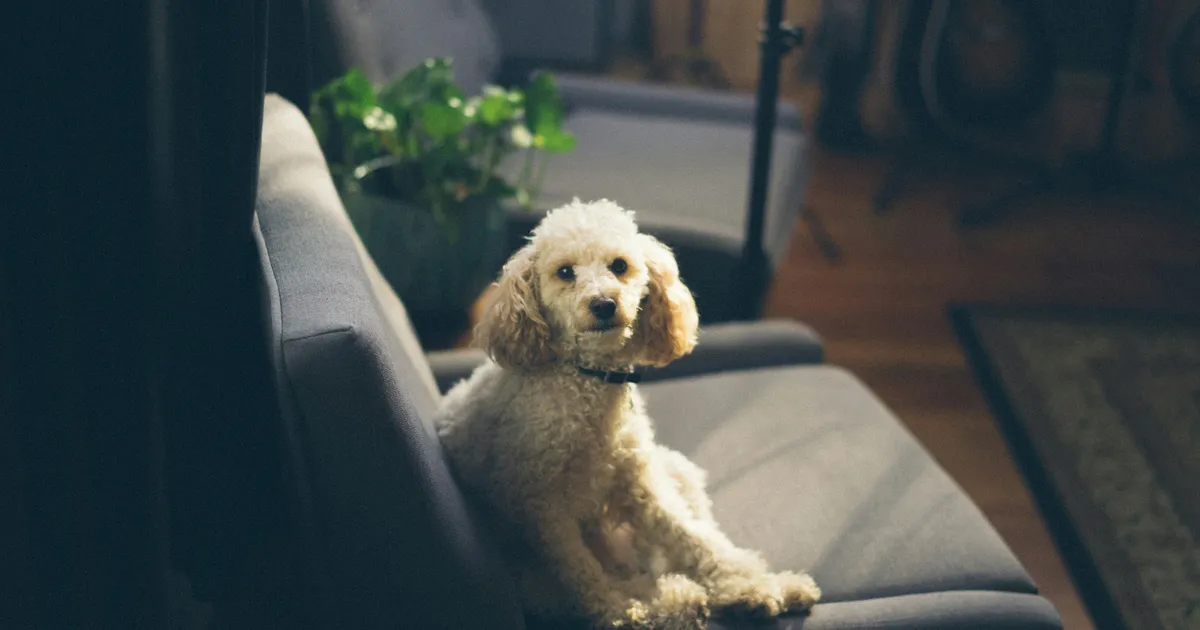
Navigating the world of pet ownership for the first time in an apartment can feel daunting, but finding the best dog breeds for first time apartment pet owners is entirely achievable with the right guidance. Many aspiring pet parents believe they need a huge backyard to provide a happy home, but this couldn’t be further from the truth. In fact, countless breeds thrive in smaller spaces, bringing immense joy without requiring extensive outdoor areas. This comprehensive guide will cut through the noise, helping you identify the ideal canine companion that fits seamlessly into your urban lifestyle, ensuring a harmonious living situation for both of you.
For first-time apartment pet owners, the best dog breeds are typically those with low to moderate energy levels, adaptable temperaments, minimal barking tendencies, and a manageable size. Excellent choices often include the French Bulldog, Pug, Cavalier King Charles Spaniel, Bichon Frise, and Greyhound, all of whom adapt well to indoor living with consistent training and daily, moderate exercise.
Understanding Apartment Dog Essentials
Choosing a dog for apartment living isn’t just about size; it’s fundamentally about temperament and energy levels. A small dog with boundless energy and a propensity for barking can be far more disruptive in an apartment than a larger, calmer breed. We look for dogs that are content with indoor life, enjoy cuddling, and don’t require constant stimulation to prevent destructive behaviors. Understanding these core needs helps narrow down the vast array of breeds to those that truly thrive in a compact environment, fostering a peaceful coexistence with neighbors.
Beyond energy, consider a breed’s general noise level. Excessive barking can quickly lead to neighbor complaints and increased stress for both you and your dog. Breeds known for being relatively quiet or those that can be trained not to bark at every sound are highly desirable. Additionally, adaptability is key; a dog that can adjust to a varying routine, occasional quiet time, and different indoor activities will be much happier in an apartment setting. Prioritizing these traits ensures a smoother transition and a happier life for everyone involved.
Top Breeds for First-Time Apartment Owners
The French Bulldog consistently ranks high for apartment living due to its compact size, moderate energy, and generally quiet nature. They are affectionate, enjoy lounging, and require only short daily walks to stay healthy and happy. Their easy-going temperament makes them an excellent choice for first-time owners who are learning the ropes of dog training and care. While they love human company, they are also content to nap while you work, making them ideal companions for busy individuals.
Another fantastic option is the Pug, a breed known for its charming personality and love of comfort. Pugs are perfectly sized for apartments, have relatively low exercise needs, and are typically very adaptable. They thrive on companionship and are usually quite happy to spend their days napping on the couch or following their owner around. Their playful yet gentle demeanor makes them wonderful first pets, and their minimal grooming requirements are a bonus for new owners.
The Surprisingly Good Greyhound
While often associated with racing, retired Greyhounds are surprisingly excellent apartment dogs. Despite their size, they are known as “45-mph couch potatoes,” requiring short bursts of exercise followed by long periods of rest. They are typically calm, quiet, and gentle indoors, making them wonderful companions for those seeking a larger dog that doesn’t demand constant activity. Their gentle nature and low barking tendency make them highly adaptable to quiet apartment life, often surprising those unfamiliar with the breed.
Exercise and Mental Stimulation Needs
Even the most laid-back apartment dog needs regular exercise. Short, consistent walks throughout the day are crucial, not just for physical health but also for mental stimulation. Exploring new smells and sights on a leash can be just as tiring and fulfilling for a dog as running in a large yard. For breeds like the Cavalier King Charles Spaniel, a couple of 20-minute walks are often sufficient, complemented by indoor play sessions that engage their minds and bodies.
Mental stimulation is equally vital to prevent boredom and potential destructive behaviors. Puzzle toys, training sessions, and interactive games can keep your dog’s mind sharp and engaged, even within the confines of an apartment. Teaching new tricks, practicing obedience commands, and rotating toys can all contribute to a mentally enriched environment. For example, a Bichon Frise thrives on engaging play and positive reinforcement training, preventing them from developing excessive barking due to boredom.
Grooming and Health Considerations
When selecting a breed, consider their grooming requirements. Some breeds, like the Shih Tzu, require daily brushing to prevent mats, which can be a significant time commitment for a first-time owner. Others, like the Boston Terrier, have short coats that require minimal grooming, making them lower maintenance. Understanding a breed’s typical health issues is also crucial. For instance, brachycephalic (flat-faced) breeds like French Bulldogs and Pugs can be prone to respiratory issues, especially in warmer climates, necessitating careful temperature management.
Regular veterinary check-ups are essential for any pet, but particularly for a first-time owner learning about canine health. Researching common health concerns for your chosen breed can help you prepare and identify potential issues early. Reputable breeders will be transparent about genetic health screenings, providing you with a healthier puppy. Resources like the American Veterinary Medical Association (AVMA) website offer valuable insights into general pet health and care, helping you become a more informed pet parent in 2026.
Building a Happy Apartment Home
Creating a designated “safe space” for your dog within the apartment is paramount. This could be a comfortable dog bed in a quiet corner, a crate, or a specific mat where they can retreat when feeling overwhelmed or needing rest. This personal space helps them feel secure and provides a sense of ownership in their new home. Consistency in routine, including feeding times, walks, and play, also helps establish a predictable and comforting environment for your new companion.
Socialization is another critical component, even for apartment dogs. Exposing your puppy to various sights, sounds, people, and other dogs (once fully vaccinated) in a controlled manner helps them develop into well-adjusted adults. Enrolling in puppy classes offers a structured way to socialize your dog and provides valuable training tips for first-time owners. A well-socialized dog is less likely to develop anxiety or behavioral problems, making them a much more pleasant apartment resident.
Key Takeaways
- Prioritize breeds with low to moderate energy levels and quiet temperaments for apartment living.
- Consistent training, mental stimulation, and regular, short walks are crucial for all apartment dogs.
- Consider a breed’s grooming needs and potential health concerns before making a commitment.
- Create a designated safe space and maintain a consistent routine to help your dog adjust.
Frequently Asked Questions
Can a large dog live happily in an apartment?
Yes, absolutely! While smaller breeds are often assumed to be better, a large dog with a calm, low-energy temperament, such as a Greyhound or a Great Dane, can be perfectly happy in an apartment. Their exercise needs often involve short bursts of activity followed by long periods of napping indoors, making them surprisingly good fits.
How much exercise does an apartment dog need daily?
The amount of exercise varies by breed, but most apartment-friendly dogs require at least 30-60 minutes of daily activity, broken into two or three walks. This includes leash walks, indoor play, and mental stimulation like puzzle toys or training sessions. Quality over quantity is key; engaged activity is more beneficial than aimless wandering.
What if my apartment dog barks excessively?
Excessive barking in an apartment dog is often a sign of boredom, anxiety, or lack of training. Address the root cause by increasing mental stimulation, ensuring adequate exercise, providing a comfortable den, and consistent positive reinforcement training. Consulting a professional dog trainer or behaviorist can also provide tailored solutions.
Are apartment dogs prone to separation anxiety?
Any dog can develop separation anxiety, but some breeds, especially those highly attached to their owners like Cavalier King Charles Spaniels, might be more prone if not properly trained. Gradual desensitization, establishing a routine, and providing engaging toys when you leave can help prevent or mitigate separation anxiety. Never make a big fuss when leaving or returning.
Conclusion
Choosing the best dog breeds for first time apartment pet owners doesn’t have to be a guessing game. By focusing on temperament, energy levels, noise, and adaptability, you can find a wonderful companion that thrives in your smaller space. Remember, a loving home, consistent care, and dedicated attention are far more important than square footage. With careful consideration and a commitment to responsible pet ownership, you and your new best friend can enjoy many happy years together in your apartment, making 2026 a memorable year for your new family member.