

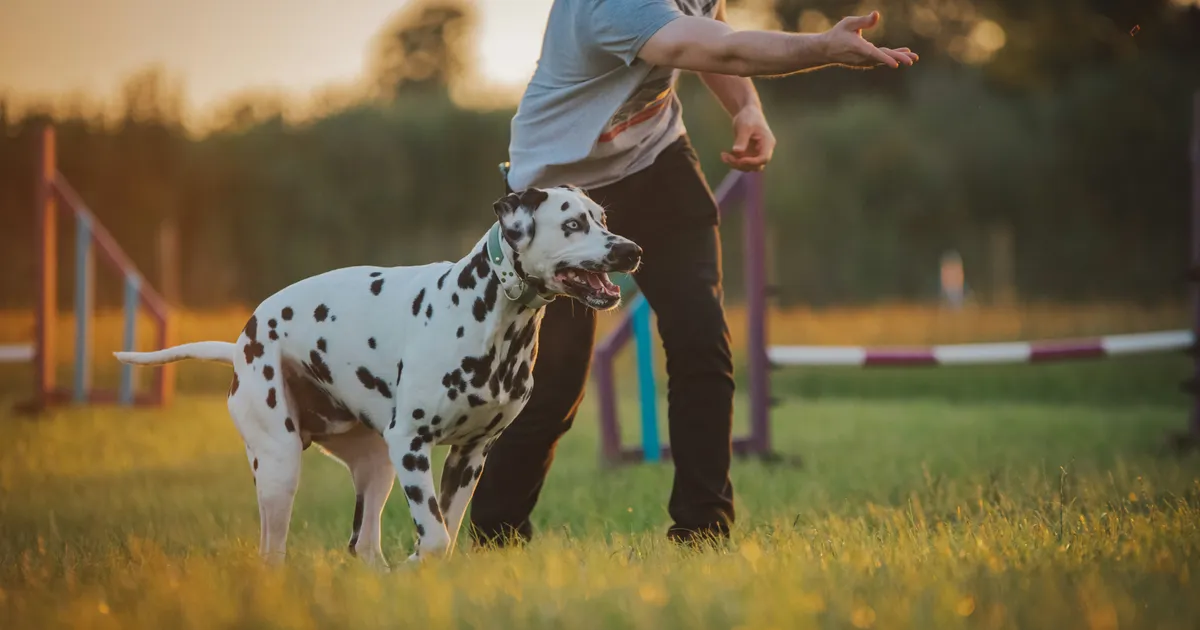
The first time I witnessed a truly intelligent dog at work, my perspective on canine capabilities shifted forever. It wasn’t just obedience; it was problem-solving, anticipation, and an almost telepathic connection with its handler. This profound experience ignited my passion for understanding the most intelligent dog breeds for training and home protection, a journey that has spanned over a decade. Choosing a dog for both companionship and security is a significant decision, requiring a deep dive into not just their brawn, but their brains. We’re looking for partners who can learn complex commands, adapt to new situations, and instinctively understand the nuanced difference between a friendly visitor and a genuine threat. It’s about finding that perfect blend of mental acuity, trainability, and protective instinct that transforms a pet into a true guardian.
German Shepherd: The Quintessential Guardian
Often considered the gold standard for working dogs, the German Shepherd Dog embodies a remarkable combination of intelligence, courage, and versatility. Their keen minds make them incredibly receptive to training, capable of mastering complex commands and adapting to various roles, from police work to service assistance. My own experience with a German Shepherd named Koda highlighted their unwavering loyalty and discernment; he intuitively understood when to be playful and when to be vigilant, always placing himself between me and any perceived threat. This breed’s natural protective instincts, coupled with their desire to please, make them exceptional candidates for home protection, provided they receive consistent, firm, and positive reinforcement training from an early age.
Beyond their impressive trainability, German Shepherds possess an imposing presence that often deters intruders, even without direct confrontation. However, their intelligence also means they require significant mental stimulation to prevent boredom and destructive behaviors. Daily training sessions, puzzle toys, and engaging activities are crucial for their well-being. They thrive on having a job to do, and channeling their energy into structured tasks reinforces their bond with their family, making them not just effective protectors but also deeply devoted companions. It’s this active engagement that solidifies their role as both a brilliant learner and a steadfast guardian in any home.
The Importance of Early Socialization
For a German Shepherd, or any protection breed, early and consistent socialization is paramount. Introducing them to a wide variety of people, places, sounds, and other animals during their critical developmental period helps them grow into well-adjusted adults, confident in their environment rather than fearful or overly reactive. A properly socialized German Shepherd understands when to be friendly and when to be cautious, preventing unwarranted aggression. This foundational work ensures their protective instincts are channeled appropriately, allowing them to assess situations calmly and respond effectively only when necessary, making them reliable and trustworthy members of the family and community.
Rottweiler: A Loyal and Powerful Protector
The Rottweiler, with its muscular build and confident demeanor, is another breed that consistently ranks high for both intelligence and protective capabilities. They are known for their unwavering loyalty to their families, often forming deep bonds that fuel their strong guarding instincts. I’ve observed Rottweilers display an almost stoic watchfulness, assessing their surroundings with a quiet intensity, always ready to act if their loved ones are in danger. Their intelligence shines in their ability to learn and retain commands quickly, though they possess a strong-willed nature that requires a confident and experienced handler. Proper training emphasizes respect and clear boundaries, fostering a partnership built on trust rather than dominance.
Despite their formidable appearance, a well-bred and properly socialized Rottweiler can be a gentle and affectionate family member. However, their power and protective drive mean they are not suitable for novice dog owners. Consistent training, starting from puppyhood, is essential to harness their intelligence and ensure they differentiate between normal activities and genuine threats. They excel in obedience and protection work, thriving when given a purpose. For those seeking a powerful guardian with a heart of gold, the Rottweiler offers a unique blend of strength, intelligence, and profound loyalty, making them an excellent choice for home protection in 2026 and beyond.
Doberman Pinscher: The Alert and Agile Guardian
Sleek, athletic, and incredibly alert, the Doberman Pinscher is a breed synonymous with intelligence and protection. Their sharp minds and intense focus make them highly trainable, excelling in disciplines like obedience, agility, and protection sports. A Doberman I once worked with demonstrated an almost uncanny ability to anticipate commands, often moving into position before the verbal cue was even fully uttered. Their natural instinct is to be watchful and vigilant, making them excellent alarm dogs who are quick to respond to unusual sounds or presences around the home. They possess a fearless nature combined with a deep devotion to their human family members, making them formidable yet loving protectors.
Dobermans require substantial mental and physical exercise to remain happy and well-behaved. Their high energy levels and intelligence mean they can become bored and destructive if not adequately stimulated. Daily structured walks, advanced obedience training, and interactive play are crucial to channel their drive positively. When properly trained and socialized, a Doberman is not only an incredibly effective home protector but also a sensitive, affectionate, and playful companion. Their elegant appearance combined with their sharp intellect and protective prowess makes them a top contender for families seeking an active and intelligent guardian.
Belgian Malinois: The High-Octane Brains and Brawn
Often mistaken for smaller German Shepherds, the Belgian Malinois stands out as one of the most intensely intelligent and driven working breeds available. Their intelligence is geared towards high-level performance and problem-solving, making them a favorite in military and police forces worldwide. I’ve witnessed Malinois perform intricate search and rescue missions, demonstrating an unparalleled focus and ability to process complex information under pressure. For home protection, their natural wariness of strangers, combined with their incredible speed, agility, and bite work capability, makes them an incredibly effective deterrent and defender. They are always “on,” observant, and ready for action, requiring an owner who can match their energy and intellect.
Owning a Belgian Malinois is a significant commitment, not for the faint of heart or first-time dog owners. Their intelligence demands constant mental engagement, and their physical endurance requires extensive exercise daily. Without adequate stimulation, a Malinois can quickly develop behavioral issues. However, for an experienced owner willing to dedicate time to advanced training, sports like Schutzhund, or even a demanding job, the Malinois is an unparalleled partner. They offer a level of loyalty and protective instinct that is truly profound, making them an ideal choice for serious home protection and a challenging yet rewarding companion for an active lifestyle, perhaps even a canine athlete for the 2026 world championships.
Giant Schnauzer: The Steadfast and Formidable Guard
The Giant Schnauzer, with its imposing stature and distinctive beard, is a lesser-known but equally impressive breed for intelligence and protection. Originally bred to drive cattle and guard property, they possess a naturally strong territorial instinct and an unwavering loyalty to their family. My encounters with Giant Schnauzers reveal their dignified demeanor and keen observational skills; they are not prone to indiscriminate barking but will alert with authority when a genuine threat arises. Their intelligence makes them highly trainable, capable of learning advanced commands, but their independent streak requires consistent, confident leadership and positive reinforcement methods.
Giant Schnauzers are powerful dogs that thrive on having a clear sense of purpose and belonging within their family unit. They require substantial daily exercise and mental challenges to prevent boredom and ensure their protective instincts are channeled constructively. Early socialization is critical to ensure they are well-mannered around strangers and other animals, allowing their natural protective qualities to emerge in a balanced way. For those seeking a robust, intelligent, and steadfast guardian with a unique appearance and a deep sense of commitment to their home, the Giant Schnauzer presents an excellent, albeit demanding, option.
Key Takeaways
- Intelligence is a Foundation, Not a Guarantee: While inherent intelligence is crucial, it must be paired with consistent, positive training and early socialization to cultivate a reliable and well-behaved protection dog. A dog’s temperament and an owner’s commitment are equally vital.
- Commitment to Training and Stimulation: Breeds chosen for their intelligence and protective instincts require significant daily mental stimulation and physical exercise. Without these, they can become bored, destructive, or develop undesirable behaviors. Consider enrolling in advanced obedience or dog sports.
- Socialization is Non-Negotiable: Proper socialization from a young age is essential for protection breeds to distinguish between a genuine threat and a harmless situation. It helps them become confident and stable, rather than fearful or overly reactive, ensuring their protective instincts are channeled appropriately.
- Match the Breed to Your Lifestyle: Before selecting one of the most intelligent dog breeds for training and home protection, honestly assess your ability to meet their demanding needs for training, exercise, and companionship. These dogs thrive with experienced owners who can provide consistent leadership and a stimulating environment.
Frequently Asked Questions
Are all intelligent dog breeds good for home protection?
Not necessarily. While intelligence is a key factor, a dog’s natural temperament, protective instincts, and physical capabilities also play significant roles. A Border Collie, for instance, is incredibly intelligent but bred for herding, not typically for personal or home protection in the same way a German Shepherd or Rottweiler is. The best protection dogs combine high intelligence with courage, loyalty, and a natural guarding drive.
How early can I start training my dog for home protection?
Foundation training, including basic obedience, leash manners, and extensive socialization, should begin as soon as you bring your puppy home. This builds a strong bond and teaches them impulse control. Formal protection training, which requires specific techniques and professional guidance, should only start once a dog has matured both physically and mentally, typically around 12-18 months of age, and always under the supervision of a certified and reputable protection dog trainer. You can find more information on responsible dog training practices from organizations like the American Kennel Club.
Do these powerful protection breeds get along with children and other pets?
With proper early socialization, consistent training, and responsible supervision, many of these breeds can integrate well into families with children and other pets. However, individual temperament varies, and some breeds have a higher prey drive or require more careful introductions. It’s crucial to teach children how to interact respectfully with dogs and always supervise interactions, especially with powerful breeds. Researching breed-specific traits and consulting with breeders or trainers can offer valuable insights.
What is the most important factor to consider besides a dog’s intelligence for protection?
Beyond intelligence, a dog’s temperament, health, and the owner’s commitment are paramount. A dog must have a stable, confident, and balanced temperament to be an effective and safe protector. Health is crucial for longevity and performance. Ultimately, the owner’s dedication to consistent training, socialization, exercise, and providing a loving, structured environment is the single most important factor in developing a well-adjusted and reliable protection dog. Resources like ASPCA’s dog care guides can provide further insights.
Conclusion
Choosing one of the most intelligent dog breeds for training and home protection is a journey that demands thoughtful consideration and unwavering commitment. These remarkable animals offer not just security, but profound companionship and loyalty. While their intellect provides the foundation, it is your dedication to consistent training, early socialization, and meeting their extensive physical and mental needs that truly unlocks their potential. With the right guidance and a deep understanding of their unique qualities, you can forge an unbreakable bond with a truly magnificent guardian, enriching your life for years to come.