

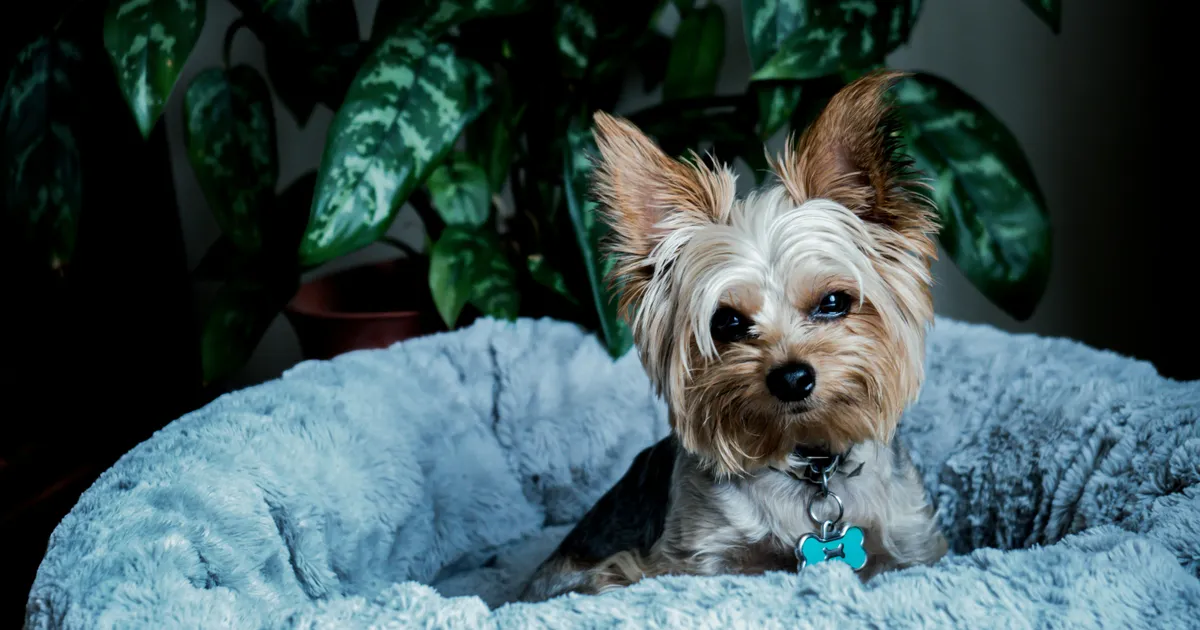
After years of working with countless dog breeds and advising urban dwellers, I’ve seen a common misconception: that small dogs are inherently yappy or difficult. In truth, finding small dog breeds for apartment living with easy training and low noise is absolutely achievable, and it can bring immense joy to your compact lifestyle. It’s about choosing a breed whose temperament aligns with your environment, not just its size. With the right selection, you can enjoy a calm, well-behaved companion even in the smallest of spaces, creating a serene home for both of you. Let’s delve into some fantastic options that prove big personalities don’t need big backyards.
Cavalier King Charles Spaniel: The Gentle Soul
The Cavalier King Charles Spaniel is, in my professional opinion, one of the finest choices for apartment living, especially if you prioritize a low-noise environment. Their primary goal in life is to be a loving companion, and they excel at it. Cavaliers are renowned for their gentle, sweet disposition and their remarkable ability to adapt to their owner’s lifestyle. Whether you’re curled up on the couch or enjoying a leisurely stroll in the park, a Cavalier will be content by your side, rarely feeling the need to vocalize excessively.
Training a Cavalier is typically a breeze, as they are eager to please and highly intelligent. Positive reinforcement methods work wonderfully with these sensitive dogs, who thrive on praise and affection. Their moderate exercise needs can be met with daily walks and indoor play, making them perfect for urban settings without demanding intense outdoor adventures. For those seeking a calm, affectionate, and easily managed companion, the Cavalier King Charles Spaniel stands out as an exemplary choice, embodying everything desirable in a quiet apartment dog for 2026 and beyond.
Bichon Frise: The Happy-Go-Lucky Companion
If you’re looking for a small dog with an infectious zest for life that still maintains a quiet demeanor, the Bichon Frise is an excellent contender. These fluffy bundles of joy are known for their cheerful disposition and their ability to get along with everyone. While they possess a playful energy, it’s typically expressed through entertaining antics rather than incessant barking. Bichons are highly adaptable and thrive on human companionship, making them ideal for individuals or families who can offer them plenty of attention throughout the day.
Training a Bichon Frise is generally a rewarding experience due to their intelligence and willingness to learn. They respond very well to consistent, positive training and can quickly master basic commands and even tricks. Their exercise requirements are moderate; a couple of short walks or some indoor playtime are usually sufficient to keep them happy and healthy. The key to a well-behaved Bichon in an apartment is ensuring they receive adequate mental stimulation and human interaction to prevent boredom, which can sometimes lead to nuisance barking.
Grooming Needs for the Bichon Frise
While Bichons are fantastic apartment dogs, it’s crucial to understand their grooming requirements. Their beautiful, hypoallergenic double coat needs regular attention to prevent matting and keep them looking their best. Daily brushing is highly recommended, along with professional grooming every 4-6 weeks. This commitment to grooming is vital not just for aesthetics but also for their comfort and skin health, making them a slightly higher maintenance breed in this particular aspect compared to some short-haired counterparts.
French Bulldog: The Charming, Compact Clown
French Bulldogs have soared in popularity for apartment dwellers, and it’s easy to see why. Their compact size, relatively low exercise needs, and generally quiet nature make them superb urban companions. Frenchies are known for their endearing, often comical personalities and their deep affection for their human families. They are typically not prone to excessive barking, preferring to communicate through snorts, yawns, and an array of expressive facial gestures, which I find incredibly charming and unique.
When it comes to training, French Bulldogs are intelligent but can sometimes have a stubborn streak. Consistency and patience, coupled with positive reinforcement, are key to successful training. They are highly food-motivated, which can be a great asset during training sessions. While they enjoy short walks and playtime, they are prone to overheating due to their brachycephalic (flat-faced) nature, so exercise should always be monitored, especially in warmer climates. Their moderate energy levels perfectly suit a cozy apartment lifestyle.
Pug: The Lovable, Easygoing Shadow
Pugs are another quintessential small dog breed for apartment living, celebrated for their big personalities packed into a small frame. These charming dogs are true companions, often described as “velcro dogs” because of their desire to be constantly by their owner’s side. Pugs are generally not big barkers, preferring to express themselves with snorts, snores, and a variety of adorable grunts. Their easygoing nature means they’re usually content to nap beside you or engage in short bursts of playful activity.
Training a Pug is a delightful journey, though they can sometimes exhibit a playful stubbornness. They respond best to positive, reward-based training and thrive on routine. Early socialization is important to ensure they grow into well-adjusted adults, though their naturally friendly disposition usually makes this straightforward. Their exercise needs are minimal; short, daily walks are sufficient, and care must be taken to prevent overheating. For anyone seeking a devoted, low-key, and quiet companion, a Pug is a fantastic choice, embodying loyalty and humor.
Shih Tzu: The Regal, Affectionate Lapdog
The Shih Tzu, often called the “lion dog” due to its flowing mane, is a breed specifically bred for companionship, making them magnificent apartment residents. They possess a regal yet incredibly affectionate demeanor, thriving on being close to their human family. Shih Tzus are generally not excessive barkers, often content to observe the world from a comfortable lap or a sunny spot on the sofa. Their primary joy comes from giving and receiving love, making them ideal for those seeking a devoted, low-key presence.
Training a Shih Tzu requires patience and positive reinforcement, as they can sometimes have an independent streak, a charming characteristic I’ve observed countless times. However, they are intelligent and capable of learning commands with consistent effort. Their exercise needs are minimal; a short daily walk or indoor play is usually enough to keep them happy and healthy. What’s truly exceptional about Shih Tzus is their ability to adapt to almost any living situation, making them a consistent top pick for apartment dwellers looking for an easily trained, quiet companion.
Key Takeaways
- Prioritize Temperament Over Size: While size is crucial for apartment living, a dog’s natural inclination towards calmness, trainability, and low noise levels is paramount. Breeds like the Cavalier King Charles Spaniel and French Bulldog exemplify this balance.
- Positive Reinforcement is Key: For easily trained breeds, consistent and positive reinforcement methods are most effective. These dogs thrive on praise and rewards, fostering a stronger bond and quicker learning.
- Manage Exercise and Mental Stimulation: Even low-energy dogs need daily physical activity and mental engagement. Short walks, indoor games, and puzzle toys can prevent boredom, which is a common cause of unwanted barking.
- Consider Grooming Needs: Some quiet, apartment-friendly breeds, like the Bichon Frise or Shih Tzu, require regular grooming to maintain their coat health. Factor this into your lifestyle and budget before committing to a breed.
Frequently Asked Questions
Are all small dogs noisy?
Absolutely not! It’s a common misconception. While some small breeds are known for being vocal, many others, like the Pug, French Bulldog, and Cavalier King Charles Spaniel, are generally quiet. Their individual temperament and proper training play a much larger role than their size in determining how much they bark.
What’s the best way to train a small dog for apartment living?
The best approach involves early socialization, consistent positive reinforcement, and focusing on basic obedience commands. Crate training can also be highly beneficial for housetraining and creating a safe den. Regular short training sessions, using high-value treats and praise, will yield the best results for a well-behaved apartment companion.
Do these breeds really need minimal exercise?
While these breeds don’t require vast outdoor spaces or intense workouts, “minimal” doesn’t mean “no” exercise. They still need daily walks (typically 15-30 minutes, once or twice a day) and indoor play to stay healthy and mentally stimulated. Always tailor the exercise to your dog’s individual needs and health, especially for brachycephalic breeds like French Bulldogs and Pugs, which can overheat easily. For more details on exercise needs, you might consult resources like the American Kennel Club’s breed profiles.
How can I ensure my small dog stays quiet in an apartment?
Beyond choosing a naturally quiet breed, focus on meeting their needs. Ensure they get enough physical and mental exercise, provide engaging toys, and address any separation anxiety with training. Desensitize them to common apartment noises, and never inadvertently reward barking. Consistency in your approach is crucial for a peaceful home environment. Consider consulting a professional dog trainer if issues persist, as expert guidance can be incredibly valuable.
Conclusion
Choosing the right canine companion for apartment living requires thoughtful consideration, but it’s an incredibly rewarding endeavor. The small dog breeds we’ve explored today—the Cavalier King Charles Spaniel, Bichon Frise, French Bulldog, Pug, and Shih Tzu—offer a fantastic blend of easy training, low noise, and adaptable temperaments. By selecting a breed that aligns with your lifestyle and committing to positive training, you can welcome a delightful, quiet companion into your home for many happy years to come. Remember, a harmonious apartment life with a dog is not just a dream; it’s an achievable reality in 2026.