

Did you know that a staggering 70% of new puppy owners experience significant sleep disruption in the first few weeks due to nighttime crying? Mastering puppy crate training at night without crying methods is not just about a peaceful night’s sleep for you; it’s fundamental for building a confident, well-adjusted dog. This comprehensive guide will walk you through expert-backed strategies, ensuring your furry companion feels secure and happy in their crate, fostering independence from day one. We’ll delve into creating an optimal sleep environment, establishing predictable routines, and proactively addressing common challenges, setting your puppy up for success for a restful 2026 and beyond.
To successfully crate train a puppy at night without crying, prioritize a positive association with the crate, establish a consistent pre-sleep routine including a final potty break, ensure the crate is comfortable and appropriately sized, and respond to legitimate needs (potty, fear) while teaching the puppy to self-soothe through gradual desensitization and reassurance, avoiding reinforcement of crying for attention.
Setting Up the Perfect Nighttime Crate
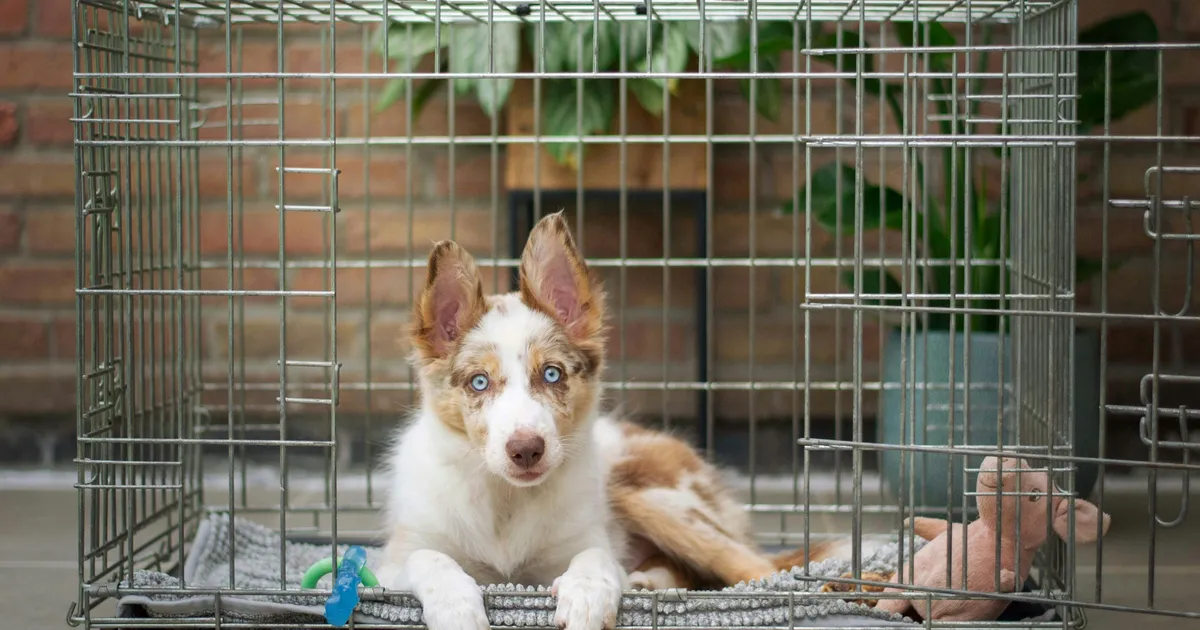
Creating an inviting and secure crate environment is the cornerstone of successful nighttime training. The crate should be just large enough for your puppy to stand up, turn around, and lie down comfortably, mimicking a den. If you have a larger breed puppy, consider a crate with a divider to adjust the space as they grow, preventing them from soiling one end and sleeping in the other. Place a soft, washable bed or blanket inside, along with a safe, chew-proof toy to provide comfort and distraction. The crate’s location is also crucial; position it in your bedroom or a quiet, central area where the puppy can still hear and smell you, alleviating feelings of isolation during their initial nights.
Ensuring the crate is a positive space extends beyond its physical setup. Never use the crate as a punishment, as this will only foster negative associations and make nighttime confinement a source of anxiety. Instead, encourage your puppy to enter the crate voluntarily throughout the day with treats and praise, making it a rewarding experience. Feed meals inside the crate with the door open, and leave the door ajar during playtime so your puppy can explore it on their own terms. This consistent positive reinforcement helps your puppy view their crate as a safe sanctuary, not a prison, which is vital for minimizing crying when the lights go out.
Establishing a Consistent Nighttime Routine
A predictable nighttime routine signals to your puppy that it’s time to wind down, significantly reducing anxiety and crying. Start by scheduling their last meal a few hours before bedtime, ensuring enough time for digestion and subsequent potty breaks. Dedicate the hour leading up to bedtime to calm activities, such as gentle petting, quiet play, or a short cuddle session. Avoid high-energy games or exciting interactions right before crating, as this can overstimulate your puppy and make settling down much harder. Consistency is key; performing the same sequence of events each night will help your puppy learn what to expect.
The final potty break is perhaps the most critical component of the nighttime routine. Take your puppy outside for one last comprehensive potty opportunity immediately before placing them in the crate. Wait patiently for them to relieve themselves, praising them enthusiastically when they do. This ensures their bladder is as empty as possible, minimizing the chances of needing to go out in the middle of the night and preventing accidents in the crate. A well-timed, successful potty break provides peace of mind for both you and your puppy, paving the way for a longer stretch of sleep and reinforcing positive habits for puppy crate training at night without crying methods.
Mastering Potty Breaks and Overnight Schedules
Puppies, especially young ones, cannot hold their bladder for extended periods, making scheduled overnight potty breaks essential. A good rule of thumb is that a puppy can typically hold their bladder for one hour per month of age, plus one. So, a two-month-old puppy might need a potty break every three hours. Set an alarm to wake yourself up and take your puppy directly outside to their designated potty spot. Keep these excursions calm and business-like; avoid playtime or excessive interaction, as this can inadvertently teach your puppy that crying leads to fun, not just relief. If they potty, praise them quietly and return them to the crate.
As your puppy matures, you can gradually extend the time between overnight potty breaks. Observe their cues; if they are consistently sleeping through a scheduled break, you might be able to stretch the interval by 30 minutes. By around 4-6 months of age, most puppies can sleep through the night (6-8 hours) without needing to go out, provided they’ve had adequate opportunities before bed. Patience and consistency during this phase are paramount. Remember, every successful overnight potty break reinforces the desired behavior and builds your puppy’s confidence in their ability to hold it, contributing to a more peaceful night for everyone in 2026.
Addressing Whining and Separation Anxiety
When your puppy cries in the crate at night, it’s crucial to distinguish between legitimate needs and attention-seeking behavior. If you’ve followed the routine – fed, watered, pottied – and the crate is comfortable, their crying might stem from loneliness or anxiety. Resist the urge to immediately comfort them with cuddles or let them out, as this can inadvertently reinforce the crying. Instead, try a quick, reassuring verbal cue like “quiet” or “it’s okay” from your bed, waiting for a brief pause in crying before offering praise. If the crying persists, a quick, silent check for any immediate issues (like a tangled blanket) may be warranted, but avoid prolonged interaction.
When to Ignore vs. Intervene
Ignoring short bouts of whining is often necessary to teach self-soothing, but knowing when to intervene is vital for preventing distress. If the crying escalates into frantic barking, howling, or sustained high-pitched yelps, it could indicate fear, pain, or severe separation anxiety. In such cases, a calm, brief intervention might be necessary. Consider placing the crate closer to your bed, offering a special chew toy, or using a white noise machine to muffle household sounds. For persistent or severe anxiety, consulting a professional dog trainer or veterinary behaviorist is highly recommended to develop a tailored plan, ensuring your puppy feels safe and secure rather than abandoned.
Building Positive Crate Associations
The key to long-term success with puppy crate training at night without crying methods lies in fostering overwhelmingly positive associations with the crate. Beyond feeding meals inside, make the crate a fun place during the day. Hide treats in it for your puppy to discover, or occasionally toss a favorite toy inside. Practice short periods of confinement during the day while you are still present, gradually increasing the duration. For example, crate them for 5-10 minutes while you read a book nearby, then let them out with calm praise. This teaches them that being in the crate doesn’t mean you’re leaving, and that good things happen when they are inside.
Utilize high-value rewards to reinforce calm behavior in the crate. When your puppy enters the crate willingly and settles down, offer a special chew toy or a Kong filled with peanut butter or frozen treats. These long-lasting distractions can keep them happily occupied and create a positive mental association with their confinement. Consistent positive reinforcement, coupled with a calm and confident demeanor from you, will transform the crate into a beloved den. For more resources on positive reinforcement training, you can explore guides from organizations like the American Kennel Club or the ASPCA, ensuring your puppy thrives in their new environment.
Key Takeaways
- Establish a consistent pre-bedtime routine, including a final potty break, to signal winding down.
- Ensure the crate is a comfortable, appropriately sized, and positively associated den, never used for punishment.
- Schedule timely overnight potty breaks for young puppies, gradually extending intervals as they mature.
- Distinguish between attention-seeking crying and legitimate needs, responding calmly and minimally to avoid reinforcement.
Frequently Asked Questions
How long does it take to crate train a puppy at night without crying?
The timeline varies significantly based on the puppy’s age, temperament, and consistency of training, but many puppies can learn to sleep through the night with minimal crying within a few weeks to a couple of months. Patience and adherence to a consistent routine are crucial during this period.
Should I put water in my puppy’s crate at night?
Generally, it’s best to remove water a few hours before bedtime to minimize the need for overnight potty breaks and prevent accidents. Ensure your puppy has ample access to fresh water throughout the day, especially after meals and playtime.
What if my puppy cries endlessly in the crate?
If your puppy’s crying is persistent and intense, beyond typical whining, it could indicate underlying anxiety, fear, or an unmet need. Re-evaluate the crate setup, routine, and consider if they’re truly comfortable. If the problem persists, consult with a veterinarian or a certified professional dog trainer for personalized guidance.
Can I put a blanket over the crate at night?
Yes, many owners find that covering the crate with a light blanket creates a den-like atmosphere, blocking out distractions and making the puppy feel more secure. Ensure there’s still adequate ventilation and the blanket is securely placed so it doesn’t fall into the crate.
Conclusion
Successfully navigating puppy crate training at night without crying methods is a testament to your patience, consistency, and understanding of canine behavior. By creating a positive crate experience, implementing a predictable routine, and smartly managing nighttime needs, you’re not just ensuring restful nights; you’re fostering independence and security in your new companion. Embrace these strategies, and you’ll find that a peaceful, quiet night is well within reach for both you and your beloved puppy, setting the stage for a harmonious life together. Share your own tips and successes in the comments below!