

Did you know that a dog’s coat condition is often considered a direct window into their overall health, with up to 70% of canine skin and coat issues stemming from diet or improper care? Understanding how to maintain a healthy dog coat naturally at home is not just about aesthetics; it’s a fundamental aspect of your pet’s well-being. A lustrous, soft coat indicates good nutrition and consistent care, while a dull, brittle, or flaky coat can signal underlying health problems, allergies, or inadequate grooming. This comprehensive guide will equip you with expert strategies to ensure your canine companion sports a magnificent, healthy coat through natural and sustainable practices, setting them up for optimal health in 2026 and beyond.
To maintain a healthy dog coat naturally at home, prioritize a premium, balanced diet rich in omega fatty acids, implement a consistent brushing routine tailored to your dog’s coat type, and use gentle, natural shampoos for bathing. Regularly inspect their skin for irritations, provide adequate hydration, and consider natural supplements like fish oil. Addressing environmental factors and seeking veterinary advice for persistent issues are also crucial for long-term coat health.
The Foundation: Optimal Nutrition
A dog’s diet is arguably the single most impactful factor in maintaining a vibrant, healthy coat. Just like humans, what goes in significantly reflects on the outside. Prioritize high-quality dog food where meat is the primary ingredient, avoiding excessive fillers, by-products, and artificial additives. Look for formulas rich in omega-3 and omega-6 fatty acids, such as those derived from salmon, flaxseed, or fish oil. These essential fats are crucial for skin hydration, reducing inflammation, and promoting a shiny, resilient coat that resists shedding and dryness. A balanced diet provides the building blocks for strong hair follicles and a healthy skin barrier.
Beyond commercial food, consider incorporating natural whole foods into their diet in moderation, always after consulting your vet. Small amounts of cooked salmon, eggs, or steamed vegetables like carrots and green beans can provide extra vitamins and antioxidants beneficial for skin and coat health. Ensure your dog has constant access to fresh, clean water, as hydration plays a vital role in maintaining skin elasticity and a supple coat. Dehydration can quickly lead to dry, flaky skin and a dull, lifeless coat. Good hydration also aids in nutrient absorption, maximizing the benefits of their diet.
Consistent Brushing and Grooming
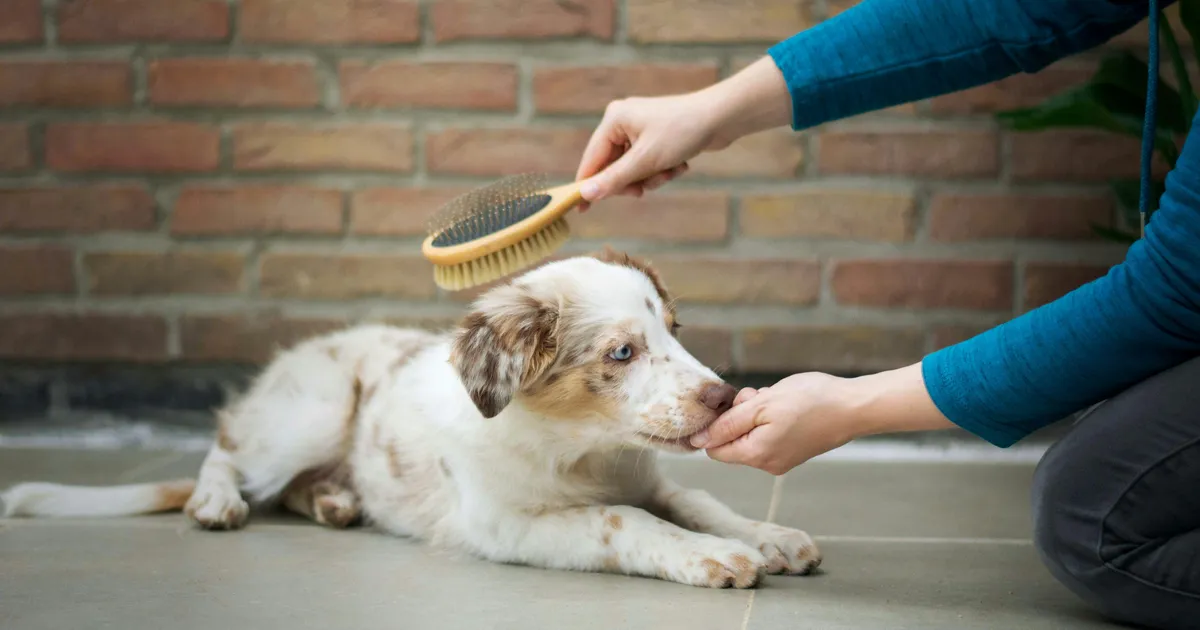
Regular brushing is an indispensable part of how to maintain a healthy dog coat naturally at home, offering numerous benefits beyond just detangling. Brushing stimulates blood circulation to the skin, which encourages healthy hair growth and distributes natural skin oils (sebum) throughout the coat. This natural oil acts as a conditioner, keeping the fur soft, shiny, and protected from environmental elements. The frequency of brushing depends on your dog’s coat type: long-haired breeds might need daily brushing, while short-haired breeds can often go a few times a week. It also helps remove loose fur, dirt, and debris, preventing mats and reducing shedding around your home.
Choosing the correct grooming tools is essential for effective and comfortable brushing. A slicker brush works well for removing tangles and loose hair from most coat types, while a bristle brush adds shine and smooths the coat. For dogs with thick undercoats, a deshedding tool can significantly reduce shedding. Always brush gently, working in the direction of hair growth, and use positive reinforcement to make grooming a pleasant experience for your dog. Regular grooming sessions also provide an excellent opportunity to check for any skin abnormalities, parasites, or lumps that might require veterinary attention.
Natural Bathing Practices
While brushing is frequent, bathing should be less so. Over-bathing can strip your dog’s skin of its natural oils, leading to dryness, irritation, and a dull coat. Aim to bathe your dog only when they are genuinely dirty or smelly, typically every 4-6 weeks, or even longer for some breeds. When bathing, always use a natural, pH-balanced dog shampoo specifically formulated for canines. Avoid human shampoos, which are too harsh and can disrupt your dog’s skin pH, causing dryness and potential allergic reactions. Look for shampoos with soothing ingredients like oatmeal, aloe vera, or tea tree oil (in small, safe concentrations).
For a truly natural approach, consider making your own gentle dog shampoo using ingredients like colloidal oatmeal, baking soda, and a mild liquid castile soap. Always dilute homemade mixtures and patch-test them first. During bathing, ensure you rinse your dog thoroughly to remove all shampoo residue, as leftover product can irritate the skin and leave the coat looking dull. After rinsing, gently towel-dry your dog and, if using a hairdryer, ensure it’s on a cool setting and held at a safe distance to prevent skin burns. For additional shine, a final rinse with diluted apple cider vinegar (1 part ACV to 10 parts water) can help restore pH balance and add luster.
Environmental Factors & Supplements
Your dog’s environment plays a significant role in coat health. Dry indoor air, especially during winter months, can lead to dry, flaky skin and a brittle coat. Using a humidifier can help maintain optimal moisture levels. Protect your dog from extreme weather conditions; harsh sun can damage skin and coat, while cold winds can cause dryness. Additionally, minimizing exposure to environmental allergens like pollen, dust mites, and certain chemicals can prevent skin irritations that impact coat quality. Regular cleaning of bedding and vacuuming can reduce allergen load, contributing to a healthier skin and coat from the outside in.
Even with an excellent diet, some dogs can benefit from natural supplements to further enhance their coat health. Fish oil, rich in EPA and DHA omega-3s, is widely recommended for its anti-inflammatory properties and ability to promote a shiny, healthy coat. Coconut oil, when given orally or applied topically in small amounts, can also support skin hydration and reduce flakiness. Probiotics can improve gut health, which in turn can positively impact skin and coat condition by enhancing nutrient absorption and reducing allergic responses. Always consult your veterinarian before introducing any new supplements to your dog’s regimen, especially as part of their 2026 wellness plan, to ensure appropriate dosage and suitability for their specific needs. For more detailed information on safe supplementation, you can refer to resources from organizations like the Tufts University Cummings School of Veterinary Medicine.
Addressing Common Coat Issues
Despite best efforts, some dogs may still experience coat issues like excessive shedding, dullness, or dry, itchy skin. Identifying the root cause is crucial. Excessive shedding could be seasonal, a sign of nutritional deficiency, stress, or even an underlying medical condition. Dullness often points to inadequate diet, lack of grooming, or insufficient hydration. Dry, itchy skin frequently indicates allergies, parasites, or environmental dryness. Observe your dog closely for other symptoms like lethargy, changes in appetite, or persistent licking/scratching, which warrant a vet visit. Early detection and intervention are key to resolving these problems effectively and naturally at home.
For minor irritations or dullness, natural remedies can provide relief. A colloidal oatmeal bath can soothe itchy skin, while a small amount of virgin coconut oil massaged into dry patches can moisturize. Ensuring your dog’s diet is optimized with essential fatty acids is often the first step in combating dullness. Regular and thorough brushing will help distribute natural oils and remove dead hair contributing to a dull appearance. However, if symptoms persist or worsen, or if you notice bald spots, skin lesions, or open sores, it is imperative to consult your veterinarian. They can rule out medical conditions like thyroid issues, infections, or severe allergies that require specific treatments.
Tackling Allergies and Skin Irritations
Allergies are a common culprit behind persistent skin and coat issues. Dogs can suffer from environmental allergies (pollen, dust mites), food allergies, or flea allergies. Identifying the allergen is the first step, often requiring a process of elimination or veterinary testing. Naturally soothing remedies can help manage symptoms: a cool bath with a hypoallergenic shampoo, applying diluted aloe vera gel to irritated spots, or using a warm compress. Ensuring your dog’s living environment is clean and free of common irritants, such as harsh cleaning products, is also vital. For comprehensive information on dog allergies, the American Kennel Club offers excellent resources.
Key Takeaways
- A high-quality, omega-rich diet is fundamental for skin and coat health.
- Consistent, gentle brushing distributes natural oils and prevents mats.
- Bathe sparingly with natural, pH-balanced dog shampoos.
- Manage environmental factors and consider vet-approved natural supplements.
Frequently Asked Questions
How often should I brush my dog’s coat?
The frequency depends on your dog’s breed and coat type. Long-haired or double-coated breeds often benefit from daily brushing, while short-haired dogs may only need it a few times a week to maintain health and shine.
Can I use human shampoo on my dog?
No, you should never use human shampoo on your dog. Human shampoos are formulated for a different pH level and can strip your dog’s skin of essential oils, leading to dryness, irritation, and potential infections.
What foods are best for a shiny dog coat?
Foods rich in omega-3 and omega-6 fatty acids are best, such as salmon, flaxseed, and fish oil. High-quality protein sources like chicken or beef, along with antioxidants from fruits and vegetables, also contribute significantly.
When should I worry about my dog’s shedding?
Some shedding is normal, especially seasonally. However, if you notice excessive shedding accompanied by bald patches, skin irritation, changes in appetite, or lethargy, it’s time to consult your veterinarian to rule out underlying health issues.
Conclusion
Achieving and maintaining a healthy dog coat naturally at home is a holistic endeavor that combines thoughtful nutrition, diligent grooming, appropriate bathing, and environmental awareness. By consistently applying these natural strategies, you not only ensure your dog looks their best but also support their overall health and well-being for years to come. A gleaming coat is a testament to a happy, healthy dog, reflecting the dedicated care you provide. Prioritizing these natural methods in 2026 will undoubtedly lead to a lustrous coat and a thriving companion. We encourage you to share your own natural coat care tips and success stories in the comments below!