

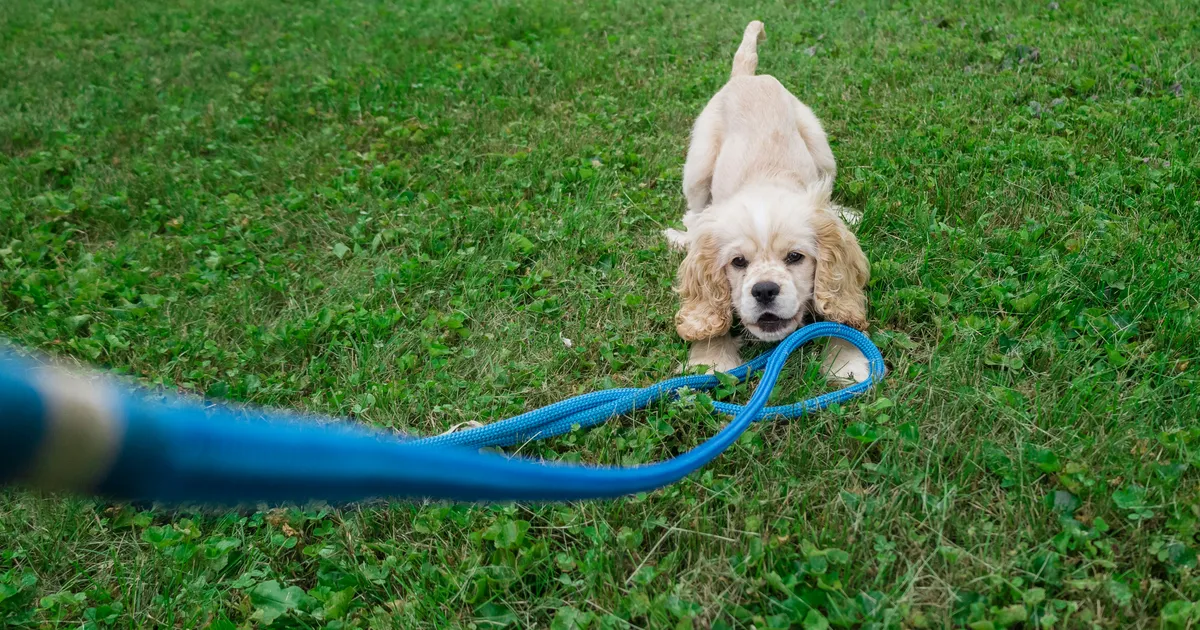
Did you know that a staggering number of puppy owners, nearly 70%, report significant frustration with leash pulling, often leading to shorter, less enjoyable walks? This common struggle can transform what should be a joyful bonding experience into a test of strength and patience. If you’re wondering how to train puppy to walk on leash without pulling, you’re not alone, and the good news is it’s entirely achievable with the right approach. Mastering loose-leash walking is not just about convenience; it’s crucial for your puppy’s safety, physical well-being, and overall enjoyment of the world outside your home. We’ll guide you through proven, positive reinforcement techniques to cultivate a polite walking companion for life.
Quick Answer: To train your puppy to walk on leash without pulling, start with positive association with the leash and collar, use appropriate no-pull gear, and consistently reward loose-leash walking. Employ methods like the “stop-and-go” or “change direction” techniques, ensuring short, frequent training sessions in low-distraction environments before gradually increasing complexity. Patience and consistency are paramount for success.
Understanding Why Puppies Pull
Puppies pull on the leash for a variety of reasons, most stemming from their natural instincts and lack of understanding regarding human walking etiquette. Their world is full of novel sights, sounds, and smells, each a powerful magnet urging them forward to explore. They often don’t comprehend that their human companion has a different pace or direction in mind. Furthermore, puppies are often driven by a desire to get to a specific destination faster, whether it’s a patch of interesting grass, another dog, or simply the edge of their perceived territory. This excitement, combined with an unlearned expectation that pulling gets them where they want to go, reinforces the behavior.
Another significant factor is that puppies are naturally faster than humans and have a shorter attention span, making a steady, heel-like walk challenging without proper guidance. They might also pull out of fear or anxiety, attempting to escape a perceived threat or move away from an uncomfortable situation. Sometimes, pulling is simply a learned behavior; if a puppy has consistently been allowed to pull and still reach their desired destination, they’ve been inadvertently taught that pulling works. Understanding these underlying motivations is the first step in effectively addressing and retraining this common issue, ensuring a more harmonious walking experience for both of you.
Essential Gear for Success
Choosing the right equipment is a foundational step in teaching your puppy to walk politely without pulling. A standard flat collar and a 6-foot nylon or leather leash are excellent starting points for basic leash acclimation and early training. However, if your puppy is already a strong puller, investing in specific no-pull gear can make an immediate difference, providing gentle leverage without causing pain or discomfort. Front-clip harnesses are highly recommended; they redirect your puppy’s forward momentum when they pull, gently turning them to the side and making it harder for them to tug effectively. This immediate feedback helps them understand that pulling doesn’t get them closer to their goal.
Avoid retractable leashes during training, as they teach your puppy that tension on the leash is normal and that pulling extends their reach, undermining efforts to teach loose-leash walking. Instead, opt for a fixed-length leash that provides consistent feedback. For very strong pullers or specific breeds, head halters (like a Halti or Gentle Leader) can also be effective by providing control over the puppy’s head, which naturally influences the body. It’s crucial to introduce any new gear positively, letting your puppy wear it for short periods with treats and praise before attaching the leash. This positive association prevents them from developing an aversion to the training tools.
Foundation Training: Leash Acclimation
Before you even step outside, your puppy needs to be comfortable wearing a collar and leash. Start by introducing the collar for short periods indoors, distracting them with play or treats. Once they’re accustomed to the collar, attach the leash during indoor playtime. Let them drag it around under supervision, ensuring it doesn’t get tangled or snagged. The goal is for them to associate the leash with positive experiences, not punishment or restriction. This crucial first phase builds confidence and reduces anxiety about the new equipment, laying the groundwork for more formal training sessions.
Once your puppy is comfortable with the leash, begin short, positive indoor walking sessions. Hold the leash loosely and encourage them to walk beside you with treats and praise. If they pull, simply stop moving. The moment the leash goes slack, even for a second, reward them and continue walking. This immediate feedback teaches them that a loose leash keeps the walk going, while a tight leash brings it to a halt. Keep these sessions brief and fun, ending on a positive note. Consistency indoors will significantly smooth the transition to outdoor environments, setting your puppy up for success in 2026 and beyond.
The “Stop-and-Go” Method
One of the most effective techniques for teaching loose-leash walking is the “stop-and-go” method. When your puppy pulls ahead and the leash becomes taut, immediately stop walking. Do not move forward until the leash goes slack, which usually happens when your puppy turns to look at you, sits, or simply relaxes the tension by moving closer. The instant the leash slackens, mark the behavior with a verbal cue like “Yes!” or a clicker, and then immediately reward with a high-value treat, resuming your walk. If they pull again, repeat the process. This teaches your puppy that pulling stops the fun, while a loose leash keeps the walk moving and earns rewards. Consistency is key with this method, as puppies quickly learn the cause-and-effect relationship.
Mastering Loose-Leash Walking Techniques
Beyond the foundational stop-and-go, incorporating directional changes can further refine your puppy’s loose-leash walking skills. As you walk, if your puppy starts to forge ahead or pull, instead of just stopping, abruptly change direction. Turn 90 degrees or even 180 degrees and walk in the opposite direction. This unexpected change forces your puppy to pay attention to your movements and prevents them from consistently pulling in a straight line. When they catch up and the leash becomes loose, reward them generously. This technique teaches them that you are the leader and they need to be mindful of your pace and direction, fostering a more engaged partnership during walks.
Another powerful technique involves using a specific verbal cue, like “Let’s go” or “Heel,” combined with positive reinforcement. Start by luring your puppy into the desired position beside you with a treat, then immediately give your cue and take a few steps. Reward them generously for staying in position with a loose leash. Gradually increase the number of steps before rewarding. If your puppy pulls, revert to the stop-and-go or change-direction method. The goal is to make walking beside you on a loose leash the most rewarding option available. Incorporate these techniques into short, frequent training sessions, always ending on a positive note. Resources like the American Kennel Club (AKC) offer excellent detailed guides on these methods, which can be found at AKC.org.
Consistency and Troubleshooting Common Issues
Consistency is the cornerstone of successful leash training. Every walk, every outing, is a training opportunity. If you allow your puppy to pull sometimes but not others, you’re sending mixed signals, which will only confuse them and prolong the training process. Ensure everyone who walks the puppy uses the same commands and techniques. Establish a routine and stick to it. Remember that puppies, especially young ones, have limited attention spans. Keep training sessions short, positive, and frequent throughout the day. A few five-minute sessions are far more effective than one long, frustrating thirty-minute session. This consistent effort will yield significant results, making your walks enjoyable for both of you for many years to come.
Common issues include puppies becoming easily distracted by their environment, leading to renewed pulling. To combat this, start training in low-distraction areas and gradually introduce more stimulating environments as your puppy improves. If your puppy is overly excited, try a short play session before the walk to burn off some energy. Sometimes, a puppy might refuse to move; in this case, entice them gently with a treat, or simply wait them out, rewarding the moment they take a step. For persistent challenges, consider consulting a certified professional dog trainer. They can offer personalized advice and hands-on guidance, ensuring your puppy develops exemplary leash manners by 2026. For more in-depth behavioral resources, the ASPCA provides excellent articles at ASPCA.org.
Key Takeaways
- Start leash training early and ensure positive associations with the collar and leash.
- Utilize appropriate no-pull gear like a front-clip harness for effective management.
- Consistently apply the “stop-and-go” or “change direction” methods to teach loose-leash walking.
- Keep training sessions short, frequent, and positive, rewarding desired behaviors immediately.
Frequently Asked Questions
At what age should I start leash training my puppy?
You can begin introducing your puppy to a collar and leash as early as 8-10 weeks old. Start with very short, positive indoor sessions, allowing them to wear the gear for a few minutes while distracted with treats or play. Formal outdoor loose-leash training can typically begin once they’ve received their initial vaccinations and are cleared by your vet for walks outside.
What if my puppy refuses to move on the leash?
If your puppy freezes or refuses to move, avoid pulling or dragging them. Instead, try to entice them forward with a high-value treat held at nose level, praising them as they take a step. You can also try sitting down and waiting them out, rewarding the moment they show any forward movement. Ensure the environment isn’t overwhelming, and make sure the gear is comfortable and not causing any discomfort.
How long does it take to train a puppy to walk without pulling?
The time it takes varies greatly depending on the individual puppy’s temperament, age, consistency of training, and the owner’s commitment. Some puppies grasp the concept quickly, while others may take several weeks or even months of consistent effort. Patience is crucial, and celebrating small victories along the way will keep both you and your puppy motivated.
Can I use treats for every successful loose-leash walk?
Initially, yes, using treats for every successful loose-leash moment is highly recommended to build a strong positive association. As your puppy improves, you can gradually transition to intermittent rewards, meaning you don’t reward every time but still maintain a high rate of reinforcement. Eventually, praise and the enjoyment of the walk itself will become sufficient rewards, but always keep some treats on hand for particularly challenging situations or to reinforce excellent behavior.
Conclusion
Teaching your puppy how to train puppy to walk on leash without pulling is a journey that requires patience, consistency, and a deep understanding of positive reinforcement. By implementing the strategies outlined, from selecting the right gear to mastering effective training techniques, you’re not just correcting a behavior; you’re building a stronger bond and fostering a lifelong companion who enjoys walks as much as you do. Remember, every step forward, no matter how small, is progress. Embrace the process, celebrate your puppy’s successes, and look forward to countless enjoyable adventures together. What strategies have worked best for you in training your puppy?