

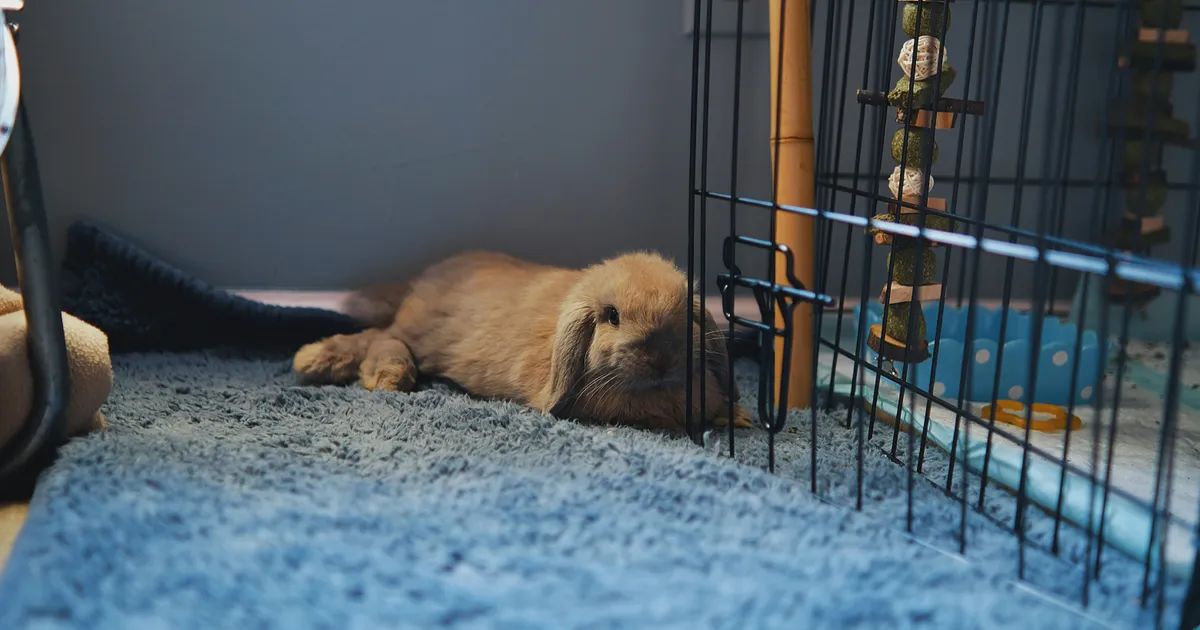
When I first brought home my rambunctious golden retriever puppy, Luna, I envisioned idyllic nights of peaceful sleep. The reality was a symphony of whining from her pen, which quickly led me down the rabbit hole of understanding effective puppy management. It wasn’t until I truly embraced a comprehensive crate training guide for puppies that our household found its rhythm, and Luna, her secure sanctuary. Crate training isn’t about confinement; it’s about providing a safe, den-like space that satisfies a dog’s natural instinct to have a secure retreat, fostering independence, and making house-training significantly easier. It’s a foundational step in responsible pet ownership that truly pays dividends in the long run.
Choosing the Right Crate for Your Puppy
Selecting the appropriate crate is the very first, and arguably most crucial, step in this journey. A common mistake is buying a crate that’s too large, giving your puppy ample space to soil one end and sleep in the other, defeating the purpose of house-training. The ideal crate should be just big enough for your puppy to stand up, turn around comfortably, and lie down. This snug fit leverages their natural instinct not to soil their sleeping area. Consider a wire crate with a divider, which allows you to adjust the size as your puppy grows, making it a cost-effective solution for their entire first year.
Beyond size, consider the material and placement. Wire crates offer good ventilation and visibility, while plastic travel crates provide a more den-like feel and are excellent for car journeys. Fabric crates, while portable, are generally not suitable for puppies who are still prone to chewing. Position the crate in a central, family area initially, like the living room or bedroom, so your puppy doesn’t feel isolated. This helps them associate the crate with being part of the family, not a punishment. Ensuring the crate is comfortable with a soft, washable bed or blanket is also paramount for creating a welcoming space.
Making the Crate a Positive Place
The key to successful crate training lies in building positive associations from day one. Never use the crate as a punishment; this will only teach your puppy to fear and resent it. Instead, make it an inviting haven. Start by placing high-value treats, beloved toys, or a special Kong toy filled with peanut butter or plain yogurt inside the crate. Allow your puppy to discover these treasures on their own, letting them enter and exit freely without closing the door. The goal is for them to view the crate as a source of good things, a place where wonderful surprises await.
Building Positive Crate Associations
Feeding your puppy their meals inside the crate is an excellent way to reinforce positive feelings. Start with the food bowl just inside the door, gradually moving it further back as your puppy becomes more comfortable. Once they are happily eating inside, you can gently close the door for short periods while they finish their meal, opening it immediately afterward. This gradual exposure, always linked to something pleasurable like food, helps your puppy form a strong, positive connection with their crate, making the entire training process smoother and more stress-free for both of you.
Gradual Introduction and Short Stays
Patience is absolutely vital during the initial phases of introducing your puppy to their crate. Once they’re comfortable going in and out, and even napping there with the door open, begin closing the door for very short intervals. Start with just a few seconds, then praise and reward your puppy before letting them out. Gradually increase the duration, always staying nearby and making sure they remain calm. If your puppy starts to whine or fuss, wait for a brief moment of quiet before opening the door; this teaches them that crying doesn’t lead to release.
Never force your puppy into the crate or leave them there for extended periods right away. This can create a negative experience that is difficult to overcome. Aim for several short training sessions throughout the day rather than one long one. As your puppy becomes more relaxed, you can start leaving the room for a minute or two, gradually extending your absence. The goal is to build their confidence and tolerance for being alone in the crate, ensuring they feel secure and not abandoned. Remember, slow and steady progress yields the best long-term results.
Extending Crate Time and Overnight Stays
Once your puppy is comfortable with short, supervised stays, you can begin to extend the duration, always mindful of their age and bladder control. A general rule of thumb for how long a puppy can hold their bladder is one hour per month of age, plus one. So, a three-month-old puppy can typically handle four hours. This is a guideline, not a strict rule, and individual puppies vary. Always take your puppy out for a potty break immediately before crating them and as soon as they are released. This consistency is crucial for successful house-training.
For overnight stays, place the crate in your bedroom for the first few weeks or months. Being close to you provides comfort and reassurance, reducing anxiety. If your puppy wakes up and whines during the night, assume they need to go to the bathroom. Take them out immediately, quietly, and without much fanfare. Once they’ve relieved themselves, return them directly to the crate. Avoid playing or giving attention during these nighttime outings, as you want them to associate waking up with potty breaks, not playtime. By 2026, most responsible breeders will likely emphasize this proximity for initial crate training.
Common Mistakes and Troubleshooting Tips
One of the most frequent mistakes new puppy owners make is giving in to persistent whining. While it’s heartbreaking to hear your puppy cry, letting them out while they’re fussing teaches them that whining is an effective way to escape the crate. Instead, ensure all their needs are met (potty, water, exercise) before crating, then ignore the fussing unless it sounds distressed or indicates a real need to go out. Wait for a lull in the crying, even if it’s just a few seconds, before opening the door. This teaches patience and self-soothing, skills vital for a well-adjusted dog. Consult resources like the ASPCA’s crate training guide for additional insights on behavior.
Another pitfall is leaving a puppy in the crate for too long, leading to accidents and a negative association. Remember the age-appropriate duration rule. If you work full-time, consider hiring a dog walker or arranging for a friend or family member to let your puppy out for a break. Furthermore, never use the crate as a place to confine your puppy when you’re angry or frustrated. This can severely damage the bond of trust and make future crate training impossible. Always approach crate time with a calm, positive demeanor, ensuring your puppy feels safe and secure in their den. For more expert advice, reputable veterinary sites like AKC’s crate training resources are invaluable, offering insights that will remain relevant well into 2026 and beyond.
Key Takeaways
- Start Early and Be Consistent: Begin crate training as soon as your puppy comes home and maintain a consistent routine. This helps your puppy understand expectations and build confidence in their new den.
- Positive Reinforcement is Paramount: Always associate the crate with positive experiences like treats, meals, and toys. Never use it for punishment, as this will create fear and resistance.
- Gradual Introduction is Essential: Introduce the crate slowly, allowing your puppy to explore it at their own pace. Gradually increase the time spent inside, ensuring they are calm and comfortable before extending durations.
- Address Whining Strategically: Distinguish between needing a potty break and attention-seeking whining. Only let your puppy out during a moment of quiet to teach them that crying does not lead to release.
Frequently Asked Questions
How long should a puppy stay in a crate during the day?
The general rule is one hour per month of age, plus one, up to a maximum of about 4-5 hours for adult dogs. So, a 3-month-old puppy can typically stay in a crate for 4 hours. However, individual bladder control varies, and puppies should never be left for durations that force them to soil their crate.
What if my puppy cries constantly in the crate?
First, ensure all their needs are met: they’ve had a potty break, exercise, food, and water. If they’re still crying, it’s likely due to anxiety or attention-seeking. Ignore the whining, but be prepared to take them out for a quick, silent potty break if the crying sounds urgent. Only open the crate door when there’s a brief moment of quiet to avoid reinforcing the crying behavior.
Can I leave water in my puppy’s crate?
Generally, it’s not recommended to leave a bowl of water in the crate, especially for young puppies, as it can easily spill, making the crate wet and uncomfortable. Instead, ensure your puppy has plenty of water before and after crate time. For longer durations (e.g., overnight for an older puppy), a spill-proof water bottle attached to the crate side can be considered, but monitor for leaks.
Is crate training cruel?
Absolutely not, when done correctly. Crate training taps into a dog’s natural instinct to den. When introduced positively, a crate becomes a safe, secure, and comfortable personal space for your dog, much like a child’s bedroom. It aids in house-training, prevents destructive behaviors, and provides a safe travel option, contributing to a well-adjusted and secure pet.
Conclusion
Embarking on a crate training guide for puppies is one of the most beneficial investments you can make in your puppy’s future and your peace of mind. It’s a process that demands patience, consistency, and a profound understanding of your puppy’s needs. By creating a positive association with their crate, understanding their limits, and avoiding common pitfalls, you’ll equip your furry companion with a lifelong sense of security and a valuable tool for managing their world. Embrace the journey, and you’ll soon find your puppy not just tolerating their crate, but genuinely loving their cozy den.