

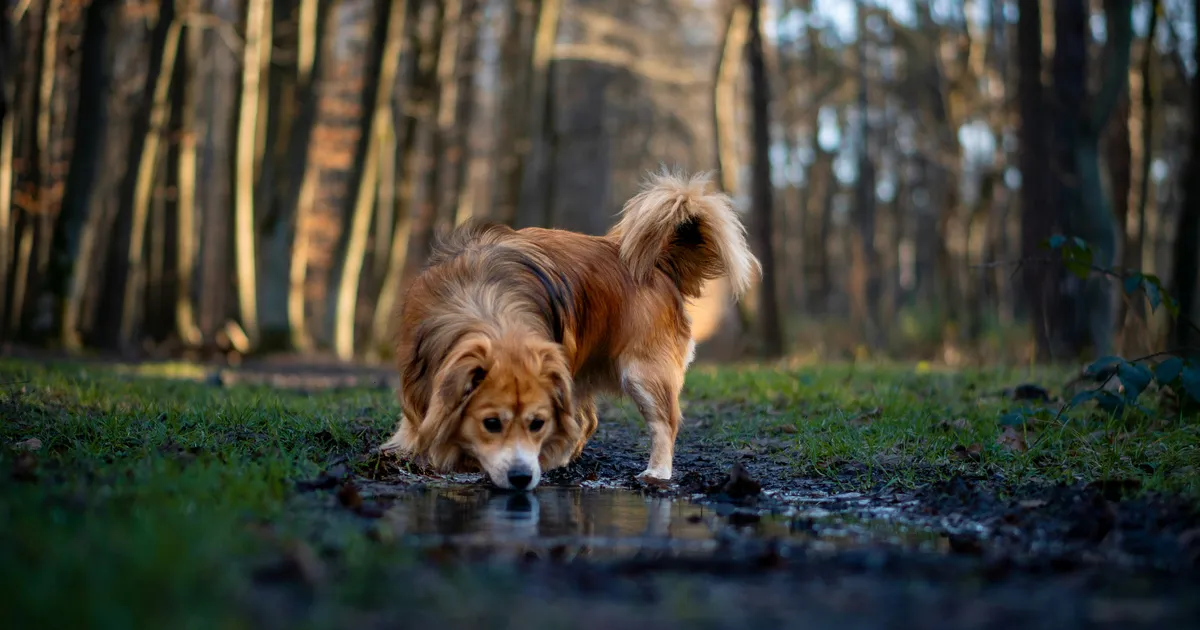
Did you know that dehydration is one of the most common and potentially life-threatening conditions for dogs, often underestimated by even the most caring pet parents? Ensuring your canine companion stays adequately hydrated is paramount for their overall health and well-being. Recognizing the subtle and overt signs of dehydration in dogs and knowing quick recovery tips can literally be a lifesaver, preventing serious health complications from kidney issues to heatstroke. This comprehensive guide will equip you with the knowledge to identify dehydration early, understand its implications, and take swift, effective action to help your beloved pet.
Quick Answer: Signs of dehydration in dogs include lethargy, sunken eyes, dry nose, sticky gums, reduced skin elasticity (skin tenting), and decreased urination. For quick recovery, offer small, frequent amounts of fresh water or a veterinarian-approved electrolyte solution. Seek immediate veterinary attention if symptoms are severe or do not improve rapidly.
Understanding Canine Hydration Needs
A dog’s body is composed of approximately 80% water, highlighting its critical role in nearly every physiological process, from nutrient transportation and temperature regulation to waste elimination and joint lubrication. Without sufficient water intake, these vital functions begin to falter, leading to a cascade of health issues. Factors such as activity level, environmental temperature, diet, and overall health status significantly influence how much water your dog requires daily. Active dogs or those spending time outdoors in warm weather will naturally need more fluids than a sedentary pet.
Maintaining proper hydration is not just about quenching thirst; it’s about sustaining life at a cellular level. Water loss can occur rapidly through panting, urination, defecation, and even normal breathing. When the fluid intake doesn’t match the output, dehydration sets in. This imbalance can quickly escalate, especially in vulnerable populations like puppies, senior dogs, or those with underlying medical conditions, making it crucial for pet owners to be vigilant about their dog’s drinking habits and general hydration status.
Early Warning Signs: What to Look For
Catching dehydration early is key to a swift and uncomplicated recovery. One of the first indicators is often a subtle change in energy levels; your usually playful dog might seem unusually tired or lethargic. You might also notice a dry or tacky nose, which, while not always definitive on its own, can be a contributing clue. A more reliable sign is observing their gums. Healthy gums are moist and shiny; dehydrated gums will appear sticky or dry to the touch, and their color might be a duller pink than usual.
Another crucial early sign involves checking your dog’s skin elasticity, often referred to as the “skin tent” test. Gently lift the skin between your dog’s shoulder blades, pull it up a few inches, and then release. In a well-hydrated dog, the skin will snap back into place almost immediately. If your dog is dehydrated, the skin will return slowly or remain “tented” for a few seconds. This test provides a quick, non-invasive way to assess fluid loss and should be part of your regular health checks, especially during warmer months or after strenuous activity.
Checking Capillary Refill Time
The capillary refill time (CRT) is another excellent indicator of proper blood circulation and hydration. To perform this test, gently press your finger against your dog’s gums until the spot turns white. Release the pressure and count how long it takes for the color to return to the area. In a healthy, well-hydrated dog, the color should return within one to two seconds. A delay longer than two seconds can suggest poor circulation, which is often associated with dehydration or other underlying health issues, signaling a need for veterinary consultation.
Advanced Symptoms: When to Act Fast
As dehydration progresses, the signs become more pronounced and alarming, indicating a medical emergency. Sunken eyes are a classic symptom, as the loss of fluid causes the orbital fat pads to shrink, pulling the eyes deeper into their sockets. Your dog might also exhibit excessive panting, not just from heat but as a desperate attempt to cool down and regulate their body temperature, even in moderate conditions. A loss of appetite or refusal to drink, despite showing signs of thirst, is also a serious red flag.
Severe dehydration can lead to more critical symptoms such as vomiting, diarrhea, and in extreme cases, collapse or shock. These symptoms further exacerbate fluid loss, creating a dangerous cycle. The dog’s pulse may become weak and rapid, and their body temperature might fluctuate erratically. If you observe any of these advanced signs, it’s imperative to seek immediate veterinary attention. Do not delay, as severe dehydration can rapidly lead to organ damage, kidney failure, and can be fatal if not treated promptly and aggressively by a professional.
Immediate Recovery Steps at Home
If you suspect mild dehydration, the first and most crucial step is to offer fresh, clean water. Do not force your dog to drink large quantities at once, as this can lead to vomiting. Instead, offer small amounts frequently, every 15-30 minutes. You can try adding a small amount of low-sodium chicken broth (ensure no onion or garlic) to their water to entice them. For dogs that are reluctant to drink, ice cubes can sometimes be appealing, allowing them to slowly lick and rehydrate without gulping.
For slightly more pronounced dehydration, a veterinarian-approved electrolyte solution specifically designed for dogs can be beneficial. These solutions help replenish not just water, but also essential minerals lost during fluid depletion. You can often find these at pet stores or your vet may recommend one. Never give human electrolyte drinks like Gatorade, as they often contain sugars and artificial ingredients that are not suitable for dogs. If your dog is still not drinking or showing improvement within an hour or two, or if symptoms worsen, contact your veterinarian without hesitation. For more detailed guidance on pet emergencies, you can refer to resources like the American Veterinary Medical Association’s emergency care section.
Preventing Dehydration: Best Practices for 2026
Proactive prevention is always better than reactive treatment when it comes to canine hydration. Always ensure your dog has constant access to fresh, clean water, both indoors and outdoors. If you have multiple pets, make sure there are enough water bowls to go around, preventing any competition that might deter a shy dog from drinking. Consider using multiple water sources, such as a bowl in each main room or a pet fountain, which can encourage some dogs to drink more due to the flowing water. Regularly clean water bowls to prevent bacterial growth that can deter drinking.
For active dogs or those spending time outdoors, especially during warm weather or exercise sessions, plan frequent water breaks. Carry a portable water bottle and collapsible bowl when you’re out and about. Incorporate wet food into their diet, as it has a higher moisture content than dry kibble, contributing to their overall fluid intake. Even in 2026, with all the advancements, good old fresh water remains the best hydration source. Educating yourself on your dog’s specific needs and recognizing their individual habits is key to ensuring they stay properly hydrated year-round. You might find useful tips on dog care from reputable sources like the ASPCA Dog Care guide.
Key Takeaways
- Recognize early signs like sticky gums, lethargy, and reduced skin elasticity to act quickly.
- Advanced symptoms such as sunken eyes, vomiting, or collapse require immediate veterinary attention.
- Offer small, frequent amounts of water or vet-approved electrolyte solutions for mild dehydration.
- Prevention is crucial: ensure constant access to fresh water, especially during activity and warm weather.
Frequently Asked Questions
How much water should my dog drink daily?
Generally, a dog should drink approximately one ounce of water per pound of body weight per day. However, this can vary significantly based on activity level, diet (wet vs. dry food), environmental temperature, and overall health. Always ensure unlimited access to fresh water.
Can I give my dog human electrolyte drinks like Gatorade?
No, it is not recommended to give your dog human electrolyte drinks. These products often contain high levels of sugar, artificial sweeteners, and other ingredients that are not suitable for dogs and can even be harmful. Always use veterinarian-approved electrolyte solutions specifically formulated for canines.
What does the “skin tent” test for dehydration mean?
The “skin tent” test involves gently lifting the skin between your dog’s shoulder blades. If the skin snaps back quickly, your dog is likely well-hydrated. If it returns slowly or remains “tented” for a few seconds, it suggests dehydration. This is a common and reliable indicator of fluid loss.
When should I take my dehydrated dog to the vet?
You should take your dog to the vet immediately if they show advanced signs of dehydration such as sunken eyes, persistent vomiting or diarrhea, extreme lethargy, collapse, or if they refuse to drink water despite your efforts. Prompt veterinary care is crucial for severe cases to prevent life-threatening complications.
Conclusion
Understanding the signs of dehydration in dogs and knowing how to respond quickly is a fundamental aspect of responsible pet ownership. From subtle changes in gum moisture to critical symptoms like sunken eyes, being vigilant can make all the difference. Prioritize constant access to fresh water, especially as we move further into 2026 and beyond, with evolving climate patterns. By staying informed and acting promptly, you ensure your cherished companion remains happy, healthy, and optimally hydrated. Your proactive care truly is your dog’s best defense against this common yet preventable condition.