

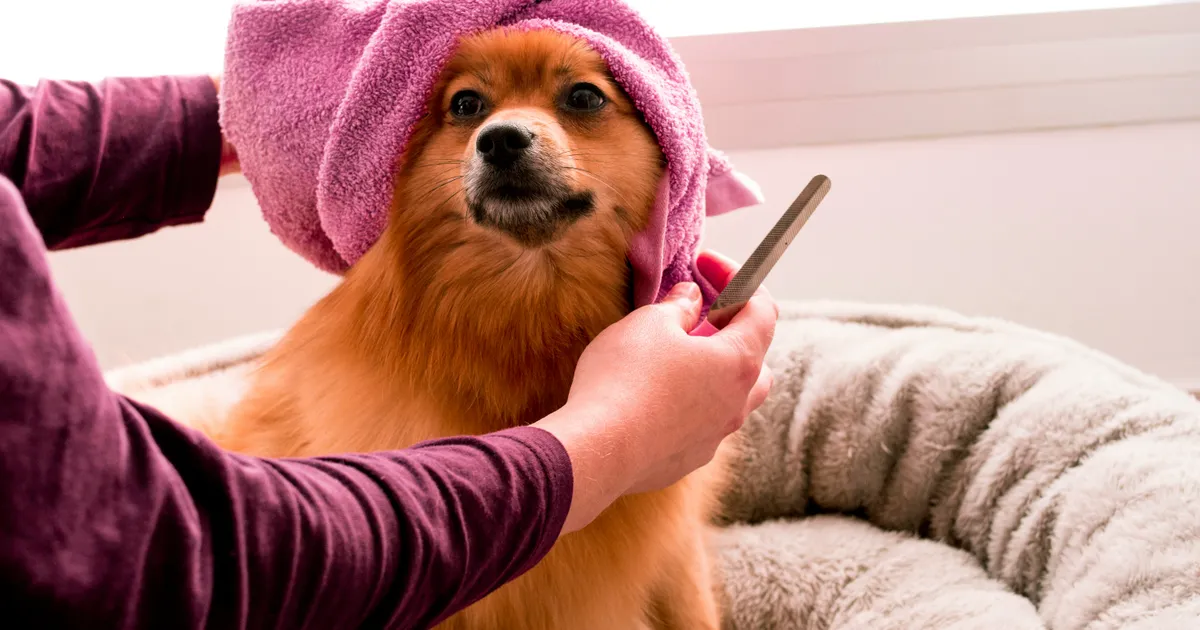
The first time I attempted to groom my spirited terrier mix, Buster, it was a disaster. Water everywhere, tangled fur, and a dog who looked utterly betrayed. I quickly realized that while professional groomers are invaluable, understanding basic grooming tips for dogs at home is not just about aesthetics; it’s a profound act of care and bonding. Regular at-home grooming prevents painful mats, skin infections, and can even flag serious health issues early. It’s a dedicated ritual that strengthens your connection with your furry friend, ensuring they’re comfortable, happy, and healthy. With the right approach and a little patience, you can transform grooming from a chore into a cherished routine for both of you.
Setting Up Your At-Home Grooming Station
Creating a dedicated, comfortable space is the first step towards successful at-home grooming. Choose an area that’s easy to clean, well-lit, and has a non-slip surface to prevent accidents. A sturdy, elevated table with a non-slip mat is ideal for smaller dogs, bringing them to a comfortable working height and reducing strain on your back. For larger breeds, a bathroom with a walk-in shower or a dedicated utility sink can work wonders. Gather all your tools beforehand: brushes, combs, nail clippers, ear cleaner, dog-specific shampoo and conditioner, towels, and plenty of treats. Having everything within reach minimizes stress and keeps the process flowing smoothly.
The environment you create significantly impacts your dog’s willingness to participate. Keep the atmosphere calm and positive; speak in soothing tones and offer praise frequently. Introduce new tools slowly, allowing your dog to sniff and investigate them before use. A positive association with the grooming area and tools through treats and gentle handling will make future sessions much easier. Remember, consistency is key – using the same spot and routine each time helps your dog anticipate and accept the process, turning potential anxiety into a predictable, pleasant experience they might even look forward to.
Mastering the Art of Brushing
Brushing is arguably the most fundamental of all grooming tips for dogs at home, and it offers incredible benefits beyond just a tidy coat. Regular brushing, ideally several times a week depending on your dog’s coat type, helps distribute natural oils, remove loose fur, dirt, and debris, and prevent painful mats and tangles. For short-haired breeds like Beagles, a rubber curry brush or a shedding blade works wonders. Long-haired breeds, such as Golden Retrievers or Shih Tzus, benefit from a slicker brush to detangle and a metal comb to work through knots, particularly around ears, armpits, and tails.
Beyond coat health, brushing is a fantastic opportunity for a full-body health check. As you brush, gently feel for any unusual lumps, bumps, skin irritations, parasites, or changes in your dog’s body. This proactive approach can help you detect potential issues early, allowing for timely veterinary intervention. Make brushing a positive experience by starting with short sessions, using gentle strokes, and rewarding your dog with treats and praise. Over time, your dog will associate brushing with positive attention and comfort, making it a truly enjoyable part of your shared routine.
The Essentials of Safe Nail Trimming
Nail trimming is often the most dreaded part of at-home grooming for both pet parents and their dogs, but it’s absolutely crucial for their health and comfort. Overgrown nails can cause pain, lead to splayed paws, affect gait, and even result in serious injuries. Invest in good quality clippers – guillotine or scissor-style for most dogs, and a grinder for those who tolerate it better. The key is to introduce the clippers slowly, letting your dog sniff them, then gently touching their paws before attempting a trim. Always have styptic powder on hand, just in case you cut too close to the quick.
Understanding the Quick and How to Avoid It
The “quick” is a blood vessel and nerve that runs down the center of each nail. In clear or white nails, it’s visible as a pinkish area, but in dark nails, it’s much harder to see. Cutting into the quick is painful for your dog and causes bleeding, making future nail trims difficult. To avoid it, trim only the very tip of the nail, the part that hooks downwards. For dark nails, trim tiny slivers at a time, looking at the cut surface. When you see a small, dark circle appear in the center of the nail, stop – you’re nearing the quick. Regular, small trims are far better than infrequent, drastic cuts for maintaining healthy nails and a happy dog.
My personal trick for dogs wary of clippers is to trim one or two nails daily or every other day, rather than trying to do all four paws at once. This reduces the overall stress and makes it a less imposing task. Positive reinforcement is paramount here; lavish your dog with praise and high-value treats immediately after each nail is trimmed. If your dog is particularly anxious, consider using a high-quality nail grinder instead of clippers, as the vibrations can be less jarring than the sudden snip. Consistency is key, aiming for a trim every 2-4 weeks depending on how quickly your dog’s nails grow, ensuring their paws remain healthy and comfortable throughout 2026 and beyond.
Bathing Best Practices for a Clean Canine
Bathing your dog at home doesn’t have to be a wrestling match; with the right technique, it can be a relatively calm experience. The frequency of bathing depends on your dog’s breed, activity level, and coat type, but generally, once every 4-6 weeks is sufficient for most dogs, unless they get particularly dirty. Always use a dog-specific shampoo, as human shampoos have a different pH level that can irritate their skin. Before getting wet, brush your dog thoroughly to remove loose fur and tangles, which become much harder to manage when wet.
When it’s bath time, use lukewarm water and thoroughly wet your dog’s coat, being careful to avoid their eyes and ears. Apply shampoo, starting from the neck and working your way down to the tail and paws, gently massaging it into their fur. Pay special attention to areas prone to dirt, like paws and under the tail. Rinse thoroughly until no suds remain – residual shampoo can cause skin irritation. Finally, gently squeeze excess water from their coat and towel dry vigorously. For long-haired breeds, a quick blow-dry on a cool setting can prevent matting, but always ensure the dryer is held at a safe distance and monitor for overheating.
Ear Care, Dental Hygiene, and The Grooming Routine
Beyond brushing and bathing, regular ear cleaning and dental hygiene are critical components of a comprehensive at-home grooming routine. For ear care, gently wipe the visible part of your dog’s ear with a cotton ball or gauze pad dampened with a vet-approved ear cleaner. Never insert anything into the ear canal, as this can cause damage. Look for signs of infection like redness, foul odor, excessive scratching, or discharge, and consult your vet if you notice any. The American Veterinary Medical Association (AVMA) offers excellent resources on pet dental health, highlighting its importance for overall well-being. Keeping ears clean helps prevent painful infections, a common issue for breeds with floppy ears.
Dental hygiene is often overlooked but is arguably one of the most important grooming tips for dogs at home. Just like humans, dogs can suffer from plaque buildup, tartar, gum disease, and tooth decay. Aim to brush your dog’s teeth daily using a dog-specific toothbrush and toothpaste. Never use human toothpaste, as it contains ingredients toxic to dogs. Start slowly, letting your dog lick the toothpaste off your finger, then gradually introduce the brush. Regular dental care not only prevents painful oral issues but also contributes to your dog’s overall health, potentially adding years to their life. Make these routines a consistent part of your 2026 pet care plan.
Key Takeaways
- Consistency and Positive Reinforcement: Make grooming a regular, positive experience with treats, praise, and a calm demeanor. This builds trust and makes future sessions easier for both of you.
- Tailored Tool Selection: Invest in high-quality, breed-appropriate grooming tools, from brushes and combs to nail clippers and shampoos, to ensure efficiency and comfort.
- Health Checks During Grooming: Use grooming time to conduct a thorough physical check for lumps, skin irritations, parasites, or changes in body condition, enabling early detection of potential health issues.
- Comprehensive Care Beyond the Coat: Remember that grooming extends to nail trimming, ear cleaning, and daily dental hygiene. These often-overlooked aspects are crucial for preventing pain, infection, and maintaining long-term health.
Frequently Asked Questions
How often should I groom my dog at home?
The frequency of grooming depends heavily on your dog’s breed, coat type, and lifestyle. For most dogs, a thorough brush several times a week, nail trims every 2-4 weeks, ear checks weekly, and teeth brushing daily are ideal. Full baths typically range from every 4-6 weeks to every few months, unless your dog gets particularly dirty or has specific skin conditions requiring more frequent washing.
What should I do if my dog hates grooming?
If your dog resists grooming, start with short, positive sessions focused on one small task at a time. Use high-value treats and praise generously. Introduce tools gradually, allowing your dog to sniff them. If they tolerate a paw touch, reward them; if they tolerate one nail trim, celebrate! Never force them, as this can create a negative association. Consider consulting a professional groomer or a certified dog trainer for advice on desensitization and counter-conditioning techniques.
Can I use human shampoo on my dog?
No, it is strongly advised not to use human shampoo on your dog. Human shampoos are formulated with a different pH balance than what is suitable for canine skin and fur. Using them can strip your dog’s coat of natural oils, leading to dry, itchy, irritated skin, and potentially exacerbate existing dermatological issues. Always opt for a high-quality, dog-specific shampoo and conditioner.
When should I seek professional grooming help?
While at-home grooming is wonderful, professional groomers have specialized tools and expertise for complex tasks like intricate coat trims, de-shedding treatments, or handling severely matted fur. If your dog has extreme anxiety about grooming, develops skin issues you can’t identify, or requires specialized styling, a professional groomer can provide invaluable assistance. Don’t hesitate to reach out to a reputable local groomer or your veterinarian for guidance.
Conclusion
Embracing these grooming tips for dogs at home is an investment in your furry companion’s health, happiness, and your bond together. It’s more than just maintaining their appearance; it’s a mindful practice that keeps them comfortable and allows you to catch potential health issues early. Remember, patience, positive reinforcement, and consistency are your greatest tools. By integrating these practices into your routine, you’re not just grooming your dog; you’re nurturing a deeper, more trusting relationship that will flourish for years to come.