

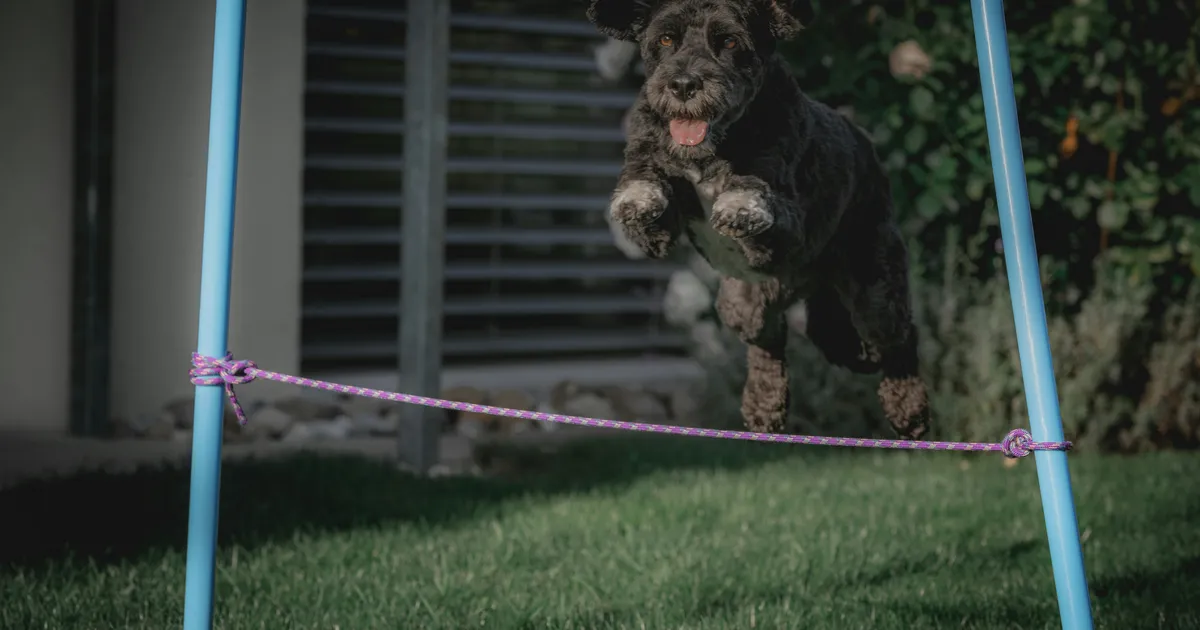
Stopping puppy jumping on guests effectively is a common challenge, with studies suggesting that over 60% of new puppy owners seek solutions for this exact behavior. While it might seem cute initially, an overly enthusiastic puppy jumping can quickly become a nuisance, potentially knocking over children or elderly visitors, and even damaging clothing. The good news is that with the right strategies, consistency, and a little patience, you can teach your puppy appropriate greeting manners. This comprehensive guide will equip you with expert techniques to ensure your puppy greets guests calmly and politely, transforming chaotic arrivals into pleasant encounters for everyone involved.
Quick Answer: To effectively stop a puppy from jumping on guests, consistently teach and reward alternative behaviors like “sit” or “four paws on the floor” when guests arrive. Manage the environment by using leashes or gates, practice controlled greetings, and ensure all household members and visitors reinforce the desired calm behavior with positive reinforcement, ignoring any jumping.
Why Puppies Jump on Guests
Puppies jump on guests primarily for attention, excitement, and sometimes simply because they haven’t learned an alternative, more appropriate greeting behavior. From their perspective, a guest’s arrival is a highly stimulating event, often accompanied by human sounds of joy, excitement, and movement. This natural exuberance, combined with their desire to be closer to face level for interaction, translates into jumping. They might be seeking a pet, a sniff, or just trying to engage with the new, interesting person who has entered their territory.
Understanding this root cause is the first step towards effective training. Puppies don’t jump to be naughty; they jump because it has, at some point, yielded a desired outcome—even if that outcome was just a brief moment of eye contact or a fleeting touch. Our reactions, whether positive or negative, often inadvertently reinforce the behavior. A yelp, a push, or even telling them “no” can still be perceived as attention, thus perpetuating the jumping cycle. Our goal is to break this cycle by teaching them that calm, four-paws-on-the-floor greetings get the best rewards.
Foundation Training: Building Good Manners
Before tackling the specific issue of jumping on guests, ensure your puppy has a solid grasp of basic obedience commands, particularly “sit” and “stay.” These commands are crucial because they provide alternative, incompatible behaviors to jumping. If your puppy is sitting, they cannot simultaneously be jumping. Practice these commands frequently in various environments, gradually introducing distractions, so your puppy responds reliably even when excited.
Beyond “sit,” teaching a reliable “down” or “place” command can be incredibly useful. A “place” command teaches your puppy to go to a designated spot, like their bed or a mat, and remain there until released. This provides a clear, calm alternative for when guests first arrive, allowing your puppy to settle before engaging. Consistency in these foundational skills lays the groundwork for all other advanced training, making the process of stopping puppy jumping on guests much smoother and more effective in 2026.
Managing the Environment and Guest Prep
Environmental management is a critical, often overlooked, component of preventing puppy jumping. Before guests even arrive, set your puppy up for success. This might involve putting your puppy on a leash before the doorbell rings, allowing you to maintain control and guide them into a sit or down position. Alternatively, using a baby gate or crate to temporarily separate your puppy from the initial chaotic greeting can be highly effective, giving them time to calm down before controlled introductions begin.
Educating your guests is equally important. Brief them on your training goals and ask for their cooperation. Instruct them to ignore your puppy if they jump – no eye contact, no petting, no talking. Only when your puppy has all four paws on the floor should the guest offer a calm pet or a treat. This consistent approach from everyone reinforces that calm behavior earns rewards, while jumping earns nothing. Consider sharing a simple guide like this one from the ASPCA on managing jumping with your visitors.
The “Four Paws on the Floor” Rule
This simple rule is the cornerstone of preventing puppy jumping. It means your puppy only receives attention, praise, or treats when all four paws are firmly on the ground. As soon as a paw lifts to jump, all attention ceases. Turn your back, step away, or simply freeze. The moment those paws are back on the floor, even for a split second, immediately offer praise or a small, high-value treat. This teaches your puppy a clear cause and effect: calm behavior gets rewards, jumping does not.
Practice this with everyone in the household first, then introduce it to guests. When a guest arrives, have your puppy on a leash. If they jump, the guest should turn away and you should gently guide your puppy back to all fours. As soon as they are on the floor, the guest can calmly pet them for a few seconds, then withdraw. Repeat this cycle, gradually increasing the duration of the calm interaction. This method requires patience but builds strong, positive associations with polite greetings.
Implementing “No Jump” Training Techniques
One of the most effective “no jump” techniques is teaching your puppy to greet by sitting. When a guest approaches, cue your puppy to “sit.” If they comply, the guest can then offer a calm pet and a treat. If your puppy attempts to jump, the guest should immediately stand up straight, turn their back, and ignore the puppy until they sit again. The key is to be proactive; anticipate the jump and ask for the sit before the jumping behavior begins.
Another powerful technique is the “doorbell game.” Have a friend ring the doorbell or knock. Before you open the door, ask your puppy to “sit” or go to their “place.” Reward them heavily for staying calm. Gradually introduce the guest entering, always rewarding your puppy for remaining in position. This helps desensitize your puppy to the excitement of an arriving guest and teaches them that calm behavior during arrivals is highly rewarded. For further reading on positive reinforcement techniques, resources like the Humane Society offer excellent guidance.
Consistency and Patience: The Long Game
Stopping puppy jumping on guests effectively is not a quick fix; it’s a marathon, not a sprint. Consistency across all interactions, with every guest, and every household member, is paramount. One inconsistent interaction where jumping is accidentally rewarded can set back weeks of training. Ensure everyone who interacts with your puppy understands and adheres to the “four paws on the floor” rule and other training protocols you’ve established. This unified front helps your puppy learn faster and avoid confusion.
Patience is your most valuable tool. Puppies are still learning about the world and how to regulate their excitement. There will be setbacks, especially during adolescence. Celebrate small victories, remain calm and consistent, and never resort to punishment, which can create fear and anxiety. With dedication and the strategies outlined here, by 2026, your puppy will be known for their impeccable manners, making every guest interaction a pleasure. Remember, positive reinforcement builds a stronger bond and more reliable behavior.
Key Takeaways
- Understand that puppies jump for attention and excitement, not malice.
- Establish foundational obedience commands like “sit” and “place” as alternative behaviors.
- Manage the environment and educate guests to ensure consistent reinforcement of calm greetings.
- Implement the “four paws on the floor” rule, rewarding calm behavior and ignoring jumping.
- Be patient and consistent with training, celebrating small wins and avoiding punishment.
Frequently Asked Questions
How long does it take to stop a puppy from jumping on guests?
The time it takes varies greatly depending on the puppy’s age, temperament, your consistency, and the cooperation of guests. With diligent daily practice and consistent reinforcement, you might see significant improvement within a few weeks to a couple of months. However, maintaining the behavior requires ongoing reinforcement throughout their first year and beyond.
Should I physically push my puppy down when they jump?
No, physically pushing your puppy down is generally counterproductive. It can be interpreted as attention, even negative attention, which might accidentally reinforce the jumping. It can also scare your puppy, damage your bond, or even cause them to become defensive. Instead, turn your back, walk away, or use a leash to guide them gently while rewarding calm behavior.
What if my puppy is too excited to sit when guests arrive?
If your puppy is too excited to sit, it indicates you need to start training in less stimulating environments and gradually increase the difficulty. Begin with practice when there are no guests, then with a calm family member, and finally with an excited guest. Use a leash for control, keep initial greetings very short, and ensure high-value treats are used to motivate them. Sometimes, a brief “timeout” in a crate or behind a gate to calm down before a re-attempt is also effective.
Can older dogs also learn to stop jumping?
Absolutely! While it might take a bit more consistency if the behavior is deeply ingrained, older dogs can certainly learn to stop jumping. The same principles apply: teach alternative behaviors (sit, down, place), manage the environment, and use consistent positive reinforcement to reward calm greetings while ignoring jumping. It’s never too late to teach an old dog new, polite manners.
Conclusion
Successfully teaching your puppy to stop jumping on guests is a rewarding journey that enhances both your home life and your relationship with your furry friend. By understanding the motivations behind the behavior, implementing foundational training, proactively managing the environment, and maintaining unwavering consistency, you’re not just correcting an unwanted habit—you’re teaching valuable social skills. Keep practicing, stay patient, and remember that every calm greeting is a step towards a well-mannered companion. We’d love to hear your success stories or challenges in the comments below!