

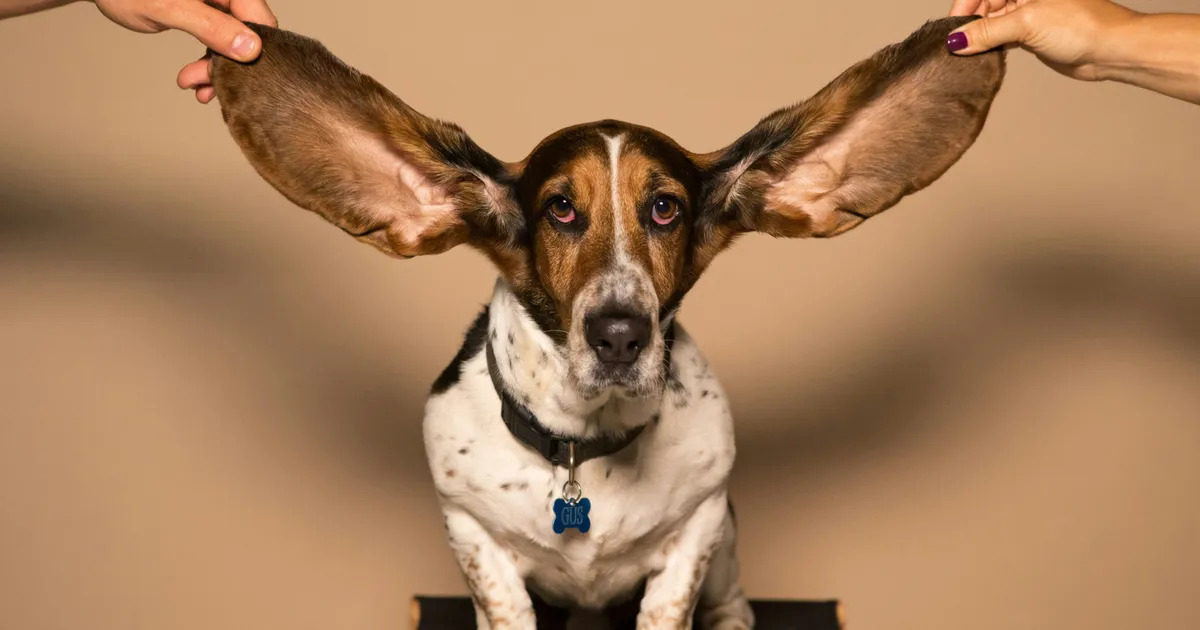
Did you know that ear infections are one of the top five reasons dogs visit the veterinarian, often causing significant discomfort and stress for both pets and their owners? Establishing an effective dog ear cleaning routine at home without stress is not just about hygiene; it’s a critical component of preventative health care that can save your furry friend from painful conditions. This comprehensive guide, crafted for 2026 and beyond, will equip you with the knowledge and techniques to make ear cleaning a calm, positive experience, ensuring your dog’s ears remain healthy and happy.
A stress-free dog ear cleaning routine at home involves gentle handling, positive reinforcement, and using appropriate, vet-approved cleaning solutions. Focus on making the experience calm and rewarding, checking ears regularly, and intervening proactively to prevent common infections, rather than waiting for issues to arise.
Understanding Canine Ear Anatomy
A fundamental understanding of your dog’s ear anatomy is the first step towards a successful and stress-free cleaning routine. Unlike human ears, a dog’s ear canal takes a distinctive L-shape, starting vertically and then making a sharp turn horizontally before reaching the eardrum. This unique structure, particularly common in breeds with floppy ears, can trap moisture, debris, and wax much more easily, creating a warm, dark, and humid environment that is unfortunately ideal for bacterial and yeast growth, leading to painful infections if not managed properly.
Regular visual inspection and gentle cleaning are therefore crucial for preventing these common issues. Familiarizing yourself with what a healthy ear looks and smells like – clean, pale pink, and odorless – will enable you to quickly spot any abnormalities. Signs such as redness, swelling, excessive discharge, a foul odor, or your dog frequently shaking their head or scratching their ears, are all indicators that something might be amiss and warrant prompt attention, potentially from a veterinary professional. Knowledge empowers you to provide the best care.
Essential Supplies for Gentle Cleaning
Before you begin any ear cleaning, gathering the correct supplies is paramount to ensuring both effectiveness and your dog’s comfort. You will need a high-quality, vet-approved ear cleaning solution, specifically formulated for dogs. These solutions are designed to safely break down wax and debris without irritating the delicate skin inside the ear canal. Avoid using water, hydrogen peroxide, or alcohol, as these can cause irritation, dryness, or even damage to the sensitive ear structures, potentially exacerbating existing problems or creating new ones.
In addition to the cleaner, you’ll need plenty of soft cotton balls or gauze pads. Cotton swabs (Q-tips) should be avoided for cleaning inside the ear canal, as they can push debris further in or even damage the eardrum. A towel for any spills, and most importantly, plenty of high-value treats and a favorite toy will be indispensable for positive reinforcement. Creating a positive association with the cleaning process through rewards is key to a truly stress-free experience for your beloved canine companion, making future cleanings much easier.
Creating a Positive Association
Transforming ear cleaning from a dreaded chore into a neutral or even positive experience for your dog hinges on consistent, calm reinforcement. Begin by simply handling your dog’s ears gently, offering treats immediately after. Gradually introduce the supplies, letting your dog sniff them and rewarding curiosity. The goal is to build trust and demonstrate that ear handling precedes good things, rather than something unpleasant. Short, frequent positive interactions are far more effective than infrequent, stressful struggles.
During the actual cleaning, maintain a calm demeanor and speak in soothing tones. If your dog shows signs of stress – struggling, whining, or trying to escape – stop immediately and try again later, perhaps with an even shorter session. Break the process down into tiny steps, rewarding each moment of cooperation. Over time, your dog will associate ear handling with positive outcomes, significantly reducing their anxiety and making the entire routine much smoother for both of you, a valuable investment for their well-being in 2026.
Step-by-Step Stress-Free Routine
With your supplies ready and your dog calm, you can begin the gentle ear cleaning process. First, gently hold your dog’s ear flap up to expose the ear canal. Carefully insert the tip of the ear cleaner bottle into the opening of the ear canal and squeeze to fill the canal with the solution. You should hear a squishing sound. Do not insert the tip too deeply. Immediately after, gently massage the base of your dog’s ear for about 20-30 seconds. This helps the solution break down wax and debris, ensuring it reaches all parts of the L-shaped canal. You might notice a slight shaking of the head as the solution dislodges material.
After massaging, allow your dog to shake their head, as this helps dislodge and expel the loosened debris. Have your towel ready to catch any spray. Then, take a clean cotton ball or gauze pad and gently wipe out the visible parts of the ear canal and the inner ear flap. Only clean what you can see; never insert anything deep into the ear canal. Repeat with fresh cotton balls until no more visible dirt or wax comes out. Finish by offering generous praise and high-value treats to reinforce the positive experience. A visual guide from an authoritative source like the American Kennel Club can be incredibly helpful for new owners. Learn more about dog ear care from the AKC.
When to Seek Professional Help
While a regular at-home ear cleaning routine is vital for prevention, it’s equally important to recognize when a professional veterinary consultation is necessary. If you observe any persistent signs of infection such as excessive redness, swelling, a strong foul odor, thick discharge (yellow, brown, or black), scabbing, or if your dog exhibits significant pain when their ears are touched, do not attempt to clean them yourself. These symptoms often indicate an active infection, mites, or other underlying issues that require immediate veterinary diagnosis and specific treatment, which might include antibiotics or antifungals.
Furthermore, if your dog has a history of chronic ear infections, or if you suspect a foreign object might be lodged in the ear canal, it is always best to consult your veterinarian. Cleaning an already inflamed or infected ear can be painful for your dog and may push infection deeper. Your vet can perform a thorough examination using an otoscope, properly diagnose the problem, and prescribe the appropriate medication. They can also demonstrate the correct cleaning technique or recommend a specific ear cleaner tailored to your dog’s needs, ensuring optimal ear health throughout 2026 and beyond. A trusted resource like the American Veterinary Medical Association provides excellent guidance on pet health. Find more information on ear care from the AVMA.
Key Takeaways
- Regular, gentle ear cleaning prevents common infections and promotes overall ear health.
- Use vet-approved cleaners and cotton balls; avoid cotton swabs for deep cleaning.
- Positive reinforcement, treats, and a calm approach are crucial for a stress-free experience.
- Always seek veterinary attention for signs of infection, pain, or unusual discharge.
Frequently Asked Questions
How often should I clean my dog’s ears?
The frequency of ear cleaning depends on your dog’s breed, activity level, and individual ear health. For most dogs, a visual check weekly and a gentle cleaning every 2-4 weeks is sufficient. Dogs prone to ear infections, such as those with floppy ears or who swim frequently, may benefit from weekly cleaning or as advised by your vet. Always observe your dog’s ears and adjust as needed.
What if my dog absolutely hates ear cleaning?
If your dog strongly resists, start by making the process very gradual. Begin with just touching their ears and giving a treat. Slowly progress to holding the ear flap, then briefly introducing the cleaner bottle, always pairing it with positive reinforcement. Short, frequent sessions are better than long, stressful ones. If resistance persists, consult your vet for advice or to rule out underlying pain or infection.
Can I use homemade ear cleaning solutions?
It is generally not recommended to use homemade ear cleaning solutions. Many DIY recipes can alter the pH balance of the ear, leading to irritation, dryness, or even promoting bacterial/yeast growth. Stick to vet-approved, commercially available ear cleaners specifically formulated for dogs, as these are designed to be safe and effective without causing adverse reactions.
What are common mistakes to avoid during ear cleaning?
Common mistakes include using cotton swabs to clean deep inside the ear canal, over-cleaning (which can cause irritation), using inappropriate solutions (like hydrogen peroxide or alcohol), and not making the experience positive for your dog. Additionally, ignoring signs of infection and attempting to clean an already painful ear can worsen the problem. Always prioritize gentle methods and professional advice when in doubt.
Conclusion
Mastering a dog ear cleaning routine at home without stress is an invaluable skill for any pet owner, offering immense benefits for your canine companion’s health and happiness. By understanding their anatomy, using appropriate tools, and employing gentle, positive reinforcement techniques, you can transform a potentially anxious experience into a calm, bonding moment. Regular ear care is a small investment of time that yields significant returns in preventing discomfort and costly veterinary visits, ensuring your dog enjoys optimal health and well-being for years to come. What are your favorite tips for keeping ear cleaning calm?