

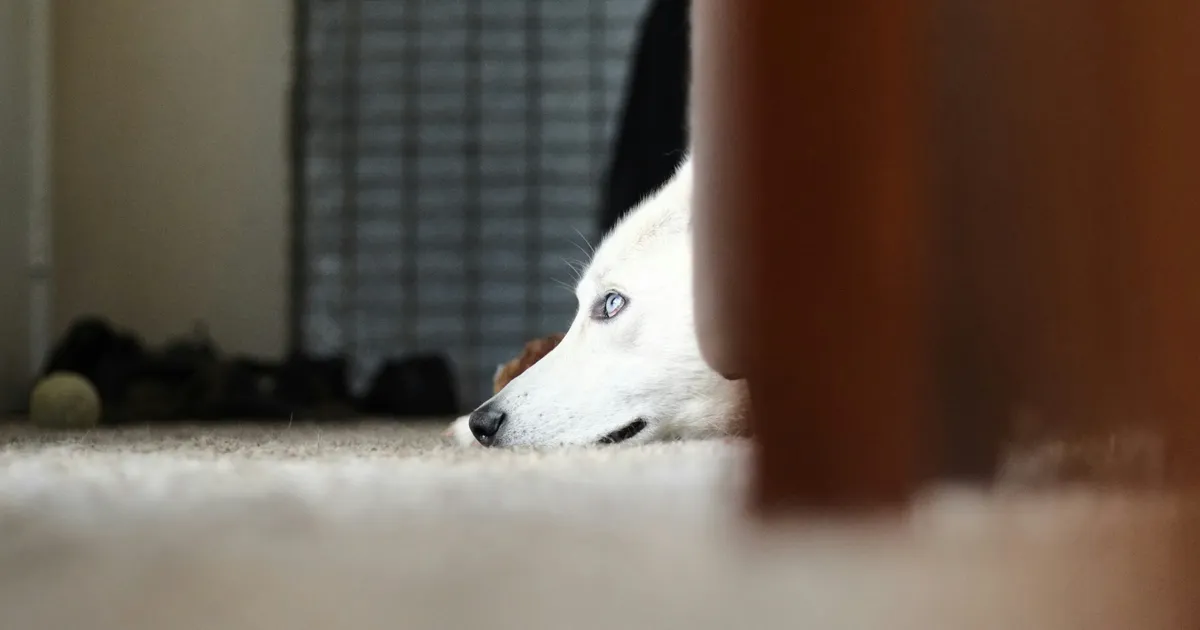
The moment I saw Buster, a scruffy terrier mix, he was a bundle of nerves, a stark contrast to the calm demeanor his owner described when she was home. The instant she picked up her keys, his eyes would widen, his tail would tuck, and a low whine would escape him. This wasn’t just a dog who missed his human; this was a vivid display of separation anxiety in dogs, a heartbreaking condition that leaves countless pets in distress when left alone. It’s a profound emotional struggle, not a behavioral quirk, and understanding its roots is the first step toward helping our beloved companions find peace. My goal is to equip you with practical, compassionate solutions to navigate this challenge.
Understanding Canine Separation Anxiety
Separation anxiety in dogs manifests as a spectrum of distress signals when they are separated from their primary attachment figure, usually their owner. These behaviors can range from mild whining and pacing to destructive chewing, inappropriate urination or defecation, excessive barking, or even self-harm. It’s crucial to understand that these aren’t acts of defiance or spite; they are panic attacks, genuine expressions of fear and distress. Your dog isn’t trying to punish you for leaving; they are genuinely terrified of being alone, often experiencing a deep sense of abandonment and vulnerability.
Recognizing the signs early is vital for intervention. Beyond the obvious destructive behaviors, watch for subtle cues like increased clinginess before you leave, a sudden refusal to eat treats when alone, or obsessive licking. Many owners initially misinterpret these signs as simple naughtiness, inadvertently reinforcing the anxiety through punishment, which only exacerbates the problem. By shifting our perspective to one of empathy and understanding, we can begin to address the underlying emotional turmoil, paving the way for more effective, compassionate solutions for our canine friends.
Common Triggers and Underlying Causes
The causes of separation anxiety are often multi-faceted and can vary greatly from one dog to another. Major life changes are frequent culprits; moving to a new home, a change in family structure (like a child leaving for college), or a sudden shift in the owner’s work schedule can trigger anxiety. Dogs thrive on routine, and disruptions can be profoundly unsettling. Furthermore, dogs adopted from shelters, especially those with unknown pasts or histories of abandonment, may be predisposed to developing separation anxiety due to prior traumatic experiences or inconsistencies in their early lives.
Beyond external factors, a dog’s individual temperament and genetics can play a significant role. Some breeds are naturally more prone to developing strong attachments and, consequently, anxiety when separated. An overly codependent relationship, where a dog is never truly encouraged to be independent, can also foster this condition. While it’s lovely to have a dog who adores you, fostering a healthy sense of independence from an early age can be a powerful preventative measure against the distress of separation anxiety later in their lives, especially as we look towards a busy 2026.
Creating a Secure Environment
One of the first steps in helping a dog with separation anxiety is to create a safe, predictable, and enriching environment for them when you’re gone. This often involves establishing a designated “safe space,” such as a crate or a specific room, where your dog feels comfortable and secure. Introduce this space gradually and positively, associating it with pleasant experiences like chew toys or treats, never as punishment. Ensure this area is quiet, has a comfortable bed, and is free from potential hazards, providing a true sanctuary for your anxious companion.
Environmental enrichment is also key. Leaving your dog with mentally stimulating toys, such as puzzle feeders or KONGs stuffed with frozen treats, can help distract them and make alone time more enjoyable. A consistent pre-departure routine, signaling your departure without creating alarm, can also be incredibly helpful. This might involve a specific phrase, a short walk, or a quiet play session, always ending calmly. The goal is to make your departure as uneventful as possible, removing any dramatic goodbyes or drawn-out farewells that can heighten anxiety.
Training and Gradual Desensitization
Effective management of separation anxiety relies heavily on systematic desensitization and counter-conditioning. This involves gradually increasing the duration of your absences, starting with incredibly short periods – sometimes just seconds – and slowly building up. The key is to ensure your dog remains calm throughout each absence. If they show signs of distress, you’ve gone too far too fast, and you need to dial back to a duration where they can succeed. This process requires immense patience and consistency, but it’s profoundly rewarding.
Counter-conditioning pairs your departure with something positive. For instance, right before you leave, give your dog a special, high-value treat or toy that they only get when you’re gone. This helps change their emotional association with your absence from fear to anticipation of a reward. Repetition and positive reinforcement are crucial here. For more in-depth strategies, reputable organizations like the ASPCA offer comprehensive guides that align with these humane training principles.
The “Pre-Departure Cue” Game
This simple yet powerful technique helps desensitize your dog to the cues that typically signal your departure, such as picking up your keys or putting on your coat. Instead of performing these actions only when you’re leaving, start doing them randomly throughout the day without actually going anywhere. Pick up your keys, put them down. Put on your coat, then take it off and sit on the couch. This breaks the strong association between these cues and your impending absence, making them less anxiety-provoking over time.
Practice these “false departures” multiple times a day, varying the order and duration. The goal is for your dog to no longer react with panic when they see you grab your bag or head for the door. This teaches them that these actions don’t always mean you’re leaving, thereby reducing their anticipatory anxiety. Consistency in this game is vital for success, transforming once-dreaded signals into benign, everyday occurrences for your canine companion.
When Professional Help Becomes Essential
While many mild cases of separation anxiety can be managed with the strategies outlined above, some dogs require professional intervention. If your dog exhibits severe distress, self-harm, or if your attempts at training aren’t yielding results, it’s time to consult a certified professional dog trainer specializing in anxiety or a veterinary behaviorist. These experts can accurately diagnose the severity of the anxiety and develop a tailored treatment plan, often incorporating a combination of behavior modification and, in some cases, medication.
Medication, when prescribed by a veterinarian, is not a standalone cure but rather a tool to help reduce your dog’s anxiety levels enough for behavior modification techniques to be effective. It can lower their baseline stress, allowing them to learn and respond to training more readily. Always discuss all options thoroughly with your vet. A collaborative approach, involving your vet, a behaviorist, and your consistent efforts, offers the best chance for your dog to overcome separation anxiety and live a happier, calmer life by 2026.
Key Takeaways
- Empathy is Paramount: Understand that your dog’s destructive or disruptive behaviors stem from genuine panic and fear, not malice or spite. Approach their anxiety with compassion and patience, recognizing it as an emotional struggle rather than a disciplinary issue.
- Routine and Environment Matter: Establish a predictable daily routine and create a secure, comfortable “safe space” for your dog. Provide enriching toys and activities to keep them mentally stimulated during your absence, helping to divert their focus from your departure.
- Gradual Desensitization is Key: Implement systematic desensitization by gradually increasing the duration of your absences, ensuring your dog remains calm at each step. Pair your departures with positive experiences to foster a new, positive association with alone time.
- Don’t Hesitate to Seek Expert Help: For severe cases or when home-based solutions aren’t working, consult a veterinary behaviorist or a certified professional dog trainer. They can provide a personalized plan, and medication, if appropriate, can be a valuable aid in the recovery process.
Frequently Asked Questions
Is my dog mad at me when they destroy things while I’m gone?
No, your dog is not mad at you. Destructive behavior, inappropriate urination, or excessive barking are all symptoms of panic and severe distress. They are reacting to an overwhelming fear of abandonment, not acting out of anger or spite. Understanding this is crucial for approaching their anxiety with compassion and finding effective solutions.
Do thunder shirts or calming pheromones work for separation anxiety?
For some dogs, thunder shirts or calming pheromone diffusers can provide a mild calming effect, but they are generally not a standalone solution for true separation anxiety. They can be helpful as part of a multi-faceted approach, reducing overall anxiety enough to make training and desensitization more effective. It’s best to use them in conjunction with behavior modification techniques.
How long does it take to cure separation anxiety in dogs?
The timeline for resolving separation anxiety varies greatly depending on the dog’s individual temperament, the severity of the anxiety, and the consistency of the owner’s efforts. It can take weeks, months, or even over a year for significant improvement. Patience, consistency, and a realistic expectation of gradual progress are essential for success.
Can I get another dog to help with my dog’s separation anxiety?
While it might seem logical that another dog could provide companionship, getting a second dog is rarely a solution for true separation anxiety and can sometimes even complicate matters. Separation anxiety is often focused on the human attachment figure, not just loneliness. A new dog might not alleviate the anxiety and could even develop anxiety themselves if they witness the first dog’s distress.
Conclusion
Addressing separation anxiety in dogs is a journey that requires immense patience, understanding, and consistent effort, but it is a journey well worth taking. Seeing your beloved companion transform from a fearful, anxious creature to a calm, confident dog who can comfortably spend time alone is incredibly rewarding. By applying the strategies discussed, fostering independence, and seeking professional guidance when needed, you can provide your dog with the tools they need to overcome this challenging condition. Remember, you’re not just training a dog; you’re healing a heart.