

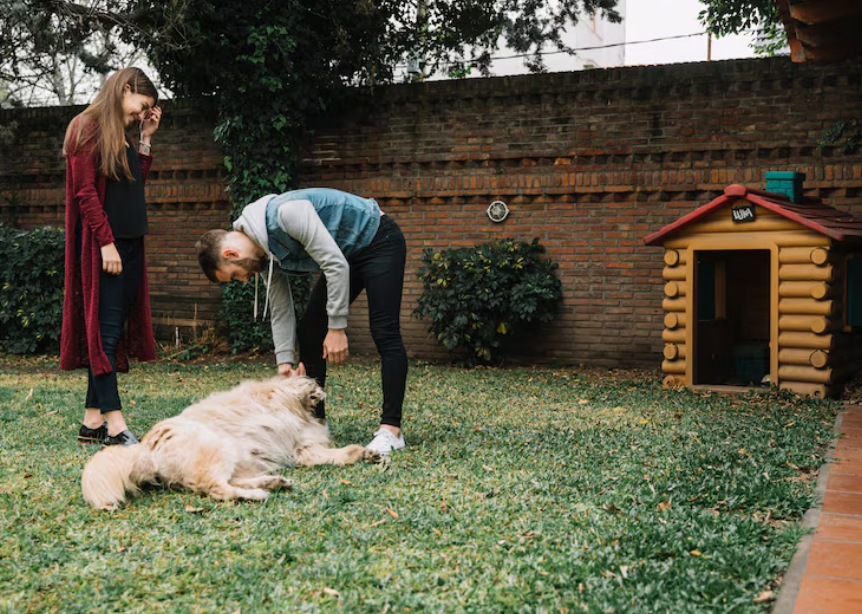
Bringing home a puppy usually starts with small routines that fit indoor life. Potty pads often become one of the first training tools because they are convenient, especially for young puppies that have not completed vaccinations or families living in apartments. Over time, however, most owners want their puppy to understand that grass and outdoor spaces are the long term bathroom destination.
The transition sounds simple on paper. Move the puppy outside and wait. In reality, puppies learn through repetition, timing, scent association, and consistency. Many owners discover that a puppy confidently using indoor pads suddenly becomes confused when asked to eliminate outdoors. A puppy may stare at the grass, become distracted by birds, leaves, and sounds, then return inside and use the floor instead.
Training experts from American Kennel Club frequently emphasize routine and consistency as major parts of house training success. Veterinary guidance from American Veterinary Medical Association also notes that puppies learn best through predictable schedules and positive reinforcement rather than punishment.
This guide walks through each step of the transition process, explains common setbacks, and shows practical ways to build reliable outdoor potty habits.
Why Puppies Become Attached to Potty Pads
Puppies are surprisingly good at forming location preferences. Potty pads do more than absorb accidents. They create a recognizable bathroom environment.
Several factors explain why puppies become attached to pads:
• Familiar scent signals
• Familiar texture under their paws
• Repeated reward patterns
• Indoor convenience and comfort
• Predictable location
A puppy using a pad for several weeks begins to connect that texture and scent with bathroom behavior. Asking that puppy to suddenly switch from a soft pad to grass can feel confusing.
Guidance from ASPCA pet care resources often highlights how animals learn through associations and repetition. The puppy is not being stubborn. The puppy simply believes the existing routine is correct.
Signs Your Puppy Is Ready for Outdoor Transition
Age alone does not determine readiness.
Several indicators suggest a puppy can begin moving toward outdoor potty habits:
• The puppy regularly uses potty pads without many accidents
• The puppy can hold urine longer between breaks
• Basic leash comfort exists
• Vaccination guidance from a veterinarian allows outdoor exposure
• The puppy already follows a daily routine
Health guidance from Centers for Disease Control and Prevention pet guidance encourages owners to consider vaccination status and safe environmental exposure before increasing outdoor activity.
Very young puppies may still require some indoor flexibility while gradually building outdoor habits.
Step One: Create a Predictable Bathroom Schedule
The biggest mistake during transition often involves inconsistent timing.
Puppies generally need bathroom trips:
• Immediately after waking
• After eating
• After drinking water
• After active play
• After naps
• Before bedtime
Young puppies often need breaks every one to two hours.
Instead of waiting for signs of urgency, schedule bathroom opportunities before accidents happen.
A simple routine may look like this:
Sample Potty Routine
| Time | Activity |
|---|---|
| 7:00 AM | Wake up and go outside |
| 7:30 AM | Breakfast |
| 7:45 AM | Outdoor potty trip |
| 10:00 AM | Potty break |
| 12:00 PM | Lunch and outdoor trip |
| 2:00 PM | Potty break |
| 5:30 PM | Dinner and outdoor trip |
| 8:00 PM | Evening potty trip |
| Before sleep | Final outdoor trip |
Consistency helps puppies predict expectations.
Step Two: Slowly Move the Potty Pad Toward the Exit
Removing indoor pads immediately often creates frustration.
A gradual movement process usually works better.
Move the potty pad:
Day 1 and Day 2: Original location
Day 3 and Day 4: Slightly closer to the door
Day 5 and Day 6: Near the doorway
Day 7 onward: Right beside the exit
This process teaches the puppy that bathroom activity is slowly moving toward outdoors.
Animal behavior guidance from Humane Society of the United States commonly supports gradual habit changes because sudden environmental changes can increase confusion.
Step Three: Introduce a Specific Outdoor Potty Spot
Choosing random areas each time may delay learning.
Pick one outdoor section and keep using it consistently.
Ideal characteristics include:
• Quiet location
• Minimal distractions
• Grass surface
• Easy access
• Low foot traffic
Puppies depend heavily on scent cues. Returning repeatedly to one spot builds familiarity.
The puppy begins associating that specific location with bathroom behavior.
Step Four: Use a Leash During Potty Trips
Many owners assume a fenced yard automatically solves training.
Large spaces can actually create distractions.
A puppy off leash may:
• Chase insects
• Explore plants
• Run in circles
• Forget why it went outside
Using a leash keeps attention focused.
Walk directly to the designated area and remain still.
Avoid turning the trip into play time before the puppy finishes.
Training resources from VCA Animal Hospitals pet behavior information often explain that separating bathroom time from play time helps establish clearer expectations.
Step Five: Reward Immediately
Timing matters more than many people realize.
Rewards should happen within seconds after successful elimination.
Good reward choices include:
• Small treats
• Verbal praise
• Gentle petting
• Short play sessions
Delayed rewards can confuse puppies.
For example, if a puppy eliminates outdoors but receives praise two minutes later after walking back indoors, the puppy may not connect the reward with the bathroom behavior.
Immediate feedback creates a stronger learning link.
Step Six: Gradually Reduce Potty Pad Availability
Once outdoor success becomes more common, begin shrinking indoor dependence.
Possible approaches include:
• Cutting pad size smaller over time
• Reducing the number of pads
• Limiting pad access to certain times
• Eventually removing pads entirely
Avoid abrupt changes.
Some puppies adapt within days.
Others may require several weeks.
Veterinary behavior references from Merck Veterinary Manual consistently emphasize gradual learning progression instead of abrupt environmental shifts.
Common Mistakes That Slow Progress
Training setbacks are extremely common.
The issue usually comes from process problems rather than puppy behavior.
Mistake One: Punishing Accidents
Punishment often creates fear instead of understanding.
A puppy may begin hiding while eliminating rather than learning where to go.
Signs of fear based training may include:
• Sneaking behind furniture
• Eliminating in hidden corners
• Avoiding owners after accidents
• Increased anxiety
Positive reinforcement generally creates better long term results.
Mistake Two: Waiting Too Long Between Breaks
Young puppies have small bladders.
Expecting a ten week old puppy to wait several hours often leads to failure.
Frequent opportunities create success.
Mistake Three: Too Much Freedom Indoors
Large indoor spaces can increase accidents.
Temporary management tools may help:
• Puppy pens
• Baby gates
• Crates used appropriately
• Supervised play areas
The American Animal Hospital Association provides guidance on creating safe and structured environments that support healthy behavior development.
What to Do When Accidents Happen
Accidents are information.
They reveal that something in the routine needs adjustment.
When accidents occur:
Step 1: Clean thoroughly with enzymatic cleaner
Step 2: Avoid punishment
Step 3: Review timing between breaks
Step 4: Increase supervision
Step 5: Continue consistent outdoor practice
Cleaning matters because dogs often return to locations where odor remains.
Even when humans cannot detect scent, puppies can.
Indoor Pad Training Versus Outdoor Grass Training
Quick Comparison Guide
| Factor | Potty Pads | Outdoor Grass |
|---|---|---|
| Convenience | High | Moderate |
| Long term habit value | Lower | Higher |
| Odor control | Moderate | Better |
| Apartment suitability | High | Moderate |
| Weather dependence | None | Yes |
| Exercise opportunities | Minimal | High |
| Long term household cleanliness | Moderate | Higher |
Neither option is inherently wrong.
Pads often solve short term challenges while outdoor habits usually become the preferred long term goal.
Handling Weather Challenges
Weather commonly interrupts progress.
Rain, cold temperatures, and strong wind may make puppies hesitate.
Helpful strategies include:
• Keep trips short
• Use sheltered areas when possible
• Maintain routine despite weather
• Reward heavily during difficult conditions
• Dry paws afterward
Avoid skipping outdoor sessions entirely because puppies may quickly relearn indoor preferences.
Apartment Living and Outdoor Transition
Apartment owners often face extra challenges because outdoor access requires elevators, stairs, or long walks.
Helpful adjustments include:
• Keep leash and supplies near the door
• Use fast access routes
• Watch for early potty signals
• Consider temporary balcony solutions only if veterinarian approved
• Build predictable timing
Transitioning may take longer in apartments simply because the bathroom destination is farther away.
When Progress Seems Stalled
Some puppies appear to stop improving.
Common reasons include:
• Medical issues
• Schedule inconsistency
• Environmental stress
• Too many distractions outdoors
• Developmental changes
Frequent urinary accidents, excessive drinking, or unusual bathroom behavior should be discussed with a veterinarian.
Information from RSPCA animal care advice notes that sudden behavior changes can sometimes indicate underlying health concerns rather than training problems.
Patience becomes particularly important during these periods.
Learning rarely follows a perfect straight line.
Frequently Asked Questions
How long does it take to transition from potty pads to grass?
Many puppies adjust within two to six weeks. Age, consistency, breed characteristics, and previous routines all influence the timeline.
Should potty pads be removed immediately?
Gradual reduction generally creates smoother learning. Sudden removal may increase accidents and confusion.
Why does a puppy play outside instead of using the bathroom?
Outdoor environments contain many distractions. Using a leash and limiting play before elimination can help maintain focus.
Is grass the only outdoor surface that works?
No. Puppies can learn to use gravel, mulch, dirt, or other outdoor surfaces. Consistency matters more than the exact material.
Should treats be given every time?
During early training, rewarding every successful attempt helps reinforce behavior. Rewards can gradually become less frequent after habits become reliable.
What if the puppy urinates immediately after returning indoors?
The puppy may need longer outdoor opportunities, fewer distractions, or more frequent trips.
Are regressions normal?
Yes. Growth stages, schedule changes, travel, and environmental changes can temporarily disrupt progress.
Conclusion
Transitioning a puppy from indoor potty pads to outdoor grass yards is rarely a single moment of success. It is usually a process built from repeated routines, consistent expectations, and gradual adjustments.
Puppies learn through patterns. They notice timing, location, scents, rewards, and environmental cues long before owners realize it. A puppy that appears confused during the transition is often responding exactly as previous training taught. Potty pads created one bathroom expectation, and outdoor grass introduces a new one.
Success depends on creating a clear bridge between those two environments rather than forcing a sudden change. Predictable schedules, designated potty spots, leash guidance, immediate rewards, and patience all contribute to stronger learning. Small daily improvements often matter more than dramatic breakthroughs.
Setbacks should be viewed as useful feedback instead of failures. An accident on the floor usually signals a timing issue, supervision challenge, or environmental distraction rather than stubbornness. When routines remain steady and expectations stay clear, most puppies gradually replace indoor pad habits with reliable outdoor behaviors.
The goal extends beyond preventing accidents. Outdoor potty routines also create opportunities for movement, exposure to healthy environments, and structured daily habits that support long term behavior development. With consistency and realistic expectations, puppies eventually learn that grass yards are not simply another place to explore. They become the natural and dependable bathroom destination.