

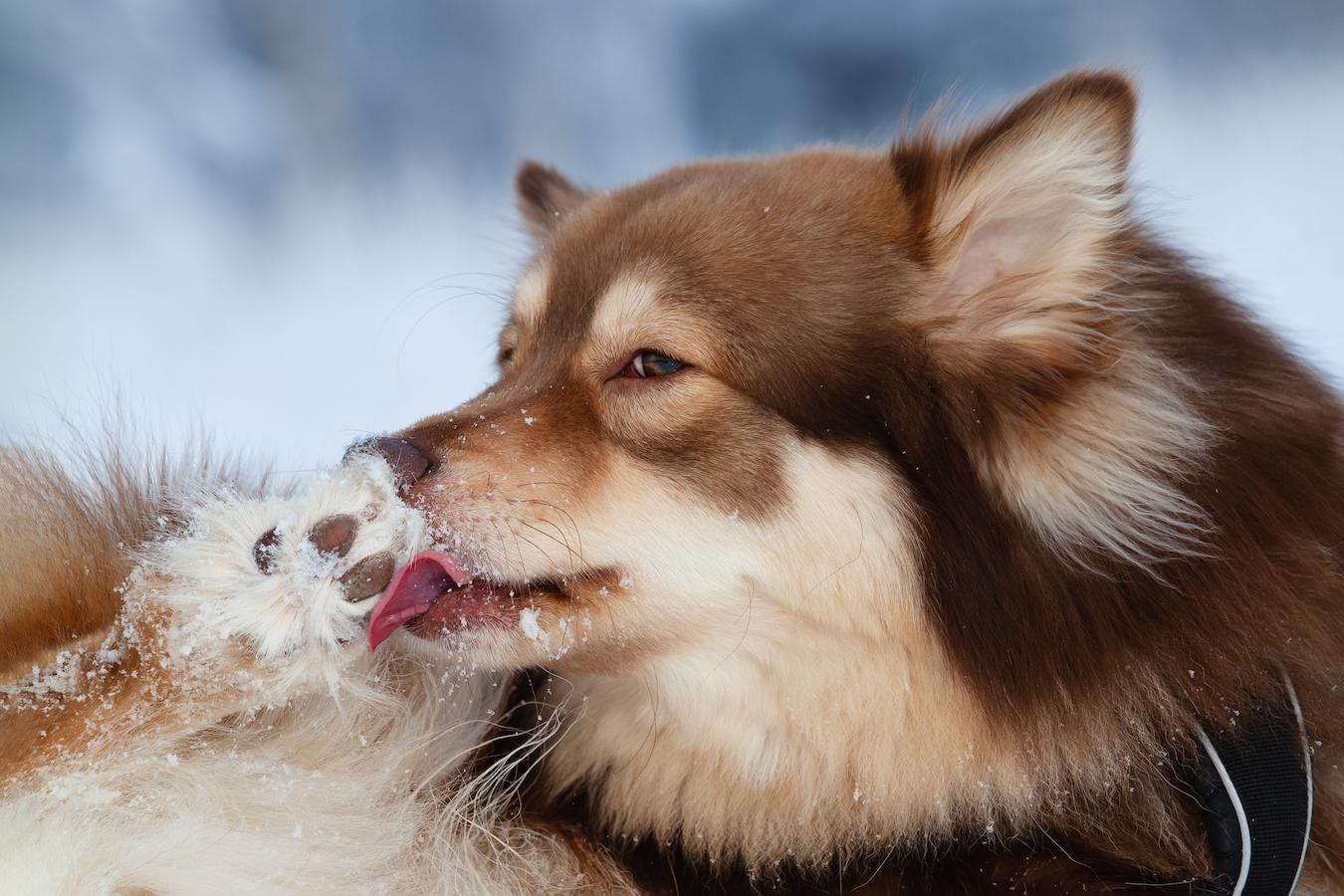
Seasonal changes can bring fresh grass, blooming flowers, and longer outdoor walks, but for many dogs, the same season can also bring uncomfortable itching and irritated skin. While people often associate allergies with sneezing and watery eyes, dogs tend to react differently. Their skin becomes the primary target. Paws, ears, belly areas, and facial regions commonly show signs of irritation long before owners realize pollen may be involved.
Veterinary organizations and pet health experts have consistently noted that environmental allergens such as grass, weeds, tree pollen, and mold frequently trigger seasonal allergic reactions in dogs. Information from PetMD and VCA Animal Hospitals explains that dogs commonly express allergies through scratching, paw chewing, and recurrent skin problems rather than classic respiratory symptoms.
Understanding Why Pollen Affects Dogs
Pollen particles do not simply float in the air around dogs. They settle onto fur, collect between paw pads, stick to belly hair, and cling to ears during outdoor activities. Dogs walking through grass or rolling on lawns can carry these microscopic particles back into the home.
Research discussed by American Animal Hospital Association and Tufts University Veterinary experts shows that dogs with environmental sensitivities develop an exaggerated immune response after exposure to common allergens.
Common seasonal triggers include:
• Tree pollen during early spring
• Grass pollen during late spring and summer
• Weed pollen during late summer and autumn
• Mold spores during humid weather
• Dust and environmental particles that rise during seasonal transitions
Not every dog reacts the same way. Some experience mild irritation, while others develop repeated flare ups that affect everyday comfort.
Early Signs of Seasonal Pollen Allergies in Dogs
Many allergy symptoms begin subtly. Owners sometimes assume a dog simply has a habit of grooming more often.
The earliest signs often include:
→ Increased licking after outdoor walks
→ Repeated scratching around ears and face
→ Frequent paw chewing
These symptoms can appear for days or weeks before becoming severe.
According to veterinary allergy resources from Oregon Veterinary Medical Association, foot licking and recurring skin irritation are among the most common indicators of environmental allergies.
Excessive Paw Licking
Paw licking is one of the strongest clues that seasonal pollen may be involved.
Dogs collect allergens directly on their feet. Since paws constantly touch grass, soil, and outdoor surfaces, allergens accumulate between toes and pads.
Signs include:
• Wet paws from repeated licking
• Fur turning reddish brown from saliva staining
• Constant chewing between toes
• Restlessness after walks
Veterinary sources identify persistent paw licking as a classic allergy symptom.
Red or Inflamed Skin
Redness often develops where fur is thinner.
Affected areas commonly include:
• Belly
• Armpits
• Groin
• Around eyes
• Between toes
Skin may initially appear slightly pink but can gradually become darker or thicker when irritation continues.
Ear Problems
Seasonal allergies frequently affect ears because inflammation creates an environment where yeast and bacteria can grow more easily.
Signs may include:
• Head shaking
• Ear scratching
• Ear odor
• Increased wax buildup
• Sensitivity around ears
Pet health experts consistently identify recurring ear infections as a common allergy warning sign.
Face Rubbing and Scratching
Dogs sometimes rub their face against furniture, carpet, or flooring.
This behavior can indicate irritation around:
• Eyes
• Muzzle
• Chin
• Nose
Unlike occasional scratching, repeated face rubbing often signals discomfort.
Hair Loss and Hot Spots
Constant licking and scratching can damage skin barriers.
This may result in:
• Bald patches
• Moist irritated areas
• Thickened skin
• Hot spots
Secondary skin infections may develop if irritation continues untreated.
Comparison Table: Seasonal Pollen Allergy Signs Versus Other Common Causes
Understanding Similar Symptoms
| Symptom | Seasonal Pollen Allergy | Food Allergy | Flea Allergy |
|---|---|---|---|
| Paw licking | Very common | Common | Less common |
| Ear infections | Common | Common | Occasional |
| Tail base itching | Rare | Rare | Very common |
| Seasonal pattern | Strong | Usually absent | Variable |
| Digestive upset | Rare | More common | Rare |
| Face rubbing | Common | Common | Less common |
Veterinarians often evaluate symptom timing because pollen allergies usually follow seasonal patterns while food sensitivities often remain present throughout the year.
How to Soothe Itchy Paws Safely
Relief begins with reducing exposure and calming irritated skin.
Wipe Paws After Outdoor Walks
A simple wipe down can remove a surprising amount of pollen before it spreads around the house.
Helpful methods include:
• Soft damp cloths
• Pet safe paw wipes
• Lukewarm water rinses
• Gentle drying between toes
Removing allergens quickly reduces prolonged skin contact.
Give Regular Baths During Allergy Season
Bathing can wash pollen particles away from fur and skin.
Veterinary guidance often recommends:
• Mild moisturizing shampoos
• Soap free formulas
• Oatmeal based products
• Veterinary approved allergy shampoos
Over bathing can dry skin, so frequency should match veterinary advice and skin condition.
Keep Indoor Spaces Cleaner
Outdoor allergens often become indoor allergens.
Helpful habits include:
→ Washing bedding regularly
→ Vacuuming carpets
→ Cleaning furniture
→ Using air filtration systems
Reducing indoor pollen exposure can lessen repeated irritation.
Prevent Constant Licking
Persistent licking creates a cycle where irritation leads to more licking and more licking creates additional irritation.
Strategies sometimes used include:
• Protective dog boots during high pollen days
• Soft recovery collars when necessary
• Increased supervision after walks
• Paw moisturizers recommended by veterinarians
Monitor Outdoor Timing
Pollen counts often rise during specific periods.
Many owners notice improvement by:
• Walking earlier in the day
• Avoiding freshly cut grass
• Limiting exposure during peak pollen seasons
• Choosing paved walking routes during severe flare ups
When Home Care Is Not Enough
Some symptoms require professional attention.
Veterinary evaluation becomes important if a dog shows:
• Bleeding skin
• Open sores
• Strong ear odor
• Limping
• Severe swelling
• Hair loss worsening over time
• Continuous itching despite home care
Experts from PetMD and Animal Humane Society note that untreated allergies may progress into chronic infections and long term skin damage.
Treatment options may include medications, allergy testing, medicated shampoos, immunotherapy approaches, and management plans tailored to individual dogs.
Long Term Prevention Strategies
Dogs with seasonal allergies often benefit from routine preventive care rather than waiting for severe symptoms.
Useful approaches include:
• Maintaining healthy skin through balanced nutrition
• Regular grooming
• Monitoring recurring seasonal patterns
• Tracking symptom timing
• Keeping paws clean after outdoor exposure
• Following veterinary recommendations consistently
Patterns matter. If symptoms repeatedly appear every spring or summer, documenting changes can help identify triggers earlier.
Frequently Asked Questions
Can dogs suddenly develop pollen allergies?
Yes. Dogs can develop allergies at different stages of life. Repeated exposure over time can eventually trigger immune responses.
Why do dogs lick paws instead of sneezing?
Dogs commonly show allergies through skin reactions rather than respiratory symptoms. Paws are exposed directly to allergens during outdoor activity. (Vca)
Can pollen allergies affect dogs year round?
Seasonal pollen reactions usually appear during specific times of year, but some dogs react to multiple allergens, which may create nearly year round symptoms.
Are certain breeds more prone to allergies?
Some breeds appear genetically more likely to develop allergic skin disease, though any dog can experience seasonal allergies.
Can diet cure seasonal pollen allergies?
Diet alone does not cure pollen allergies, but balanced nutrition can support skin health and immune function.
Should itchy paws always be considered allergies?
No. Paw irritation may also result from parasites, injuries, infections, chemicals, or food reactions. Persistent symptoms require proper evaluation.
Conclusion
Seasonal pollen allergies in dogs often begin with small changes that are easy to overlook. A little extra paw licking after walks, occasional scratching around the ears, or mild redness between toes may not seem significant at first. Over time, however, these subtle signals can develop into persistent discomfort and recurring skin problems.
Paws deserve particular attention because they act as direct contact points between dogs and the environment. Grass, weeds, tree pollen, and other airborne particles can settle there quickly and remain trapped long after outdoor activities end. Simple daily habits such as cleaning paws, maintaining regular grooming routines, monitoring symptom patterns, and keeping living spaces cleaner can reduce irritation significantly.
Persistent symptoms should never be ignored. Long term itching is more than an inconvenience. It can interfere with sleep, activity levels, skin health, and overall comfort. Early recognition and timely management help prevent minor irritation from becoming a larger health issue.
Understanding seasonal allergy patterns allows dog owners to move beyond reacting to symptoms and toward preventing them. A comfortable dog often begins with noticing the small signs early and responding before itchy paws become an ongoing struggle.