

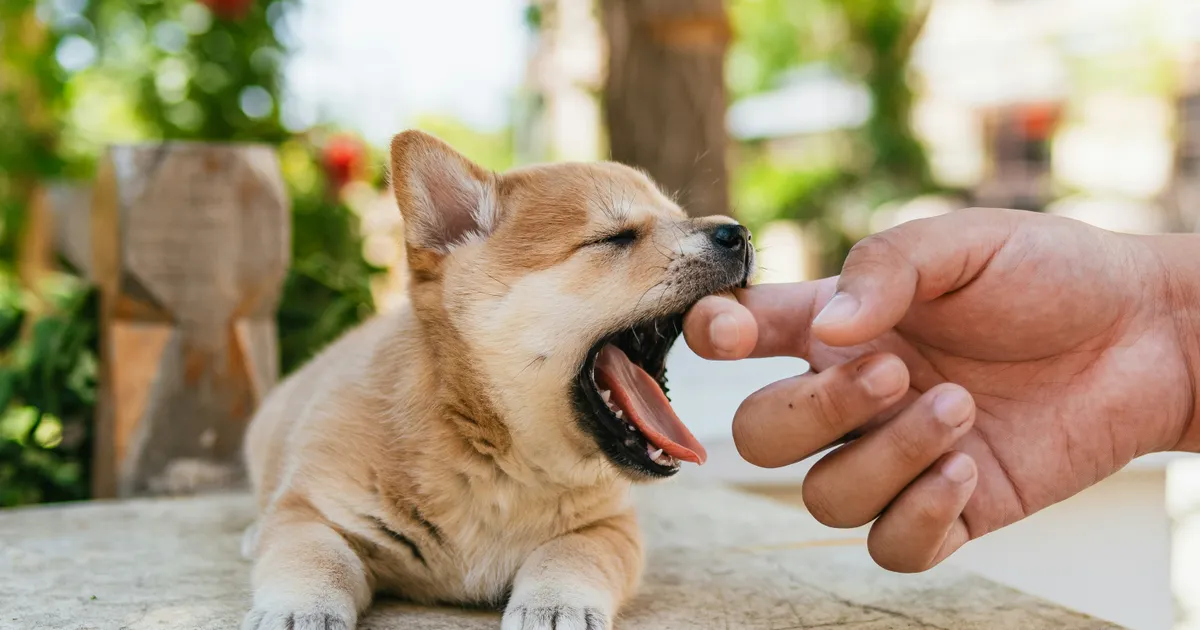
Oh, the joys of a new puppy! That tiny bundle of fluff, those sweet puppy breaths… and then, the razor-sharp teeth that seem to appear out of nowhere, turning your hands and furniture into irresistible chew toys. I remember vividly with my own golden retriever, Luna, thinking, “Is this normal? Will my hands ever be free of nips?” It’s a common rite of passage for puppy parents, and it can feel overwhelming trying to figure out how to stop puppy biting and chewing behavior naturally at home without resorting to harsh methods. Rest assured, it is entirely possible to guide your little land shark into becoming a gentle companion, and it starts with understanding their natural instincts and responding in ways that make sense to them.
Understanding Puppy Biting & Chewing Instincts
Puppies explore the world primarily with their mouths, much like human toddlers use their hands. This oral exploration is a fundamental part of their development, helping them learn about textures, tastes, and the boundaries of their environment. During their teething phase, which typically peaks between 3 to 6 months of age, chewing becomes an absolute necessity to alleviate discomfort as their adult teeth emerge. It’s not malicious; it’s a natural, biological urge that needs to be addressed with patience and appropriate outlets, rather than simply punished.
Beyond teething, biting and chewing are also crucial for social development and stress relief. Puppies learn bite inhibition from their littermates and mother, understanding how much pressure is too much through play. When they come to your home, you become their primary teacher for these vital life lessons. A puppy might also chew when bored, anxious, or seeking attention, making it essential to identify the underlying cause to implement the most effective natural strategies for a well-adjusted companion by 2026.
Effective Redirection and Appropriate Chews
The cornerstone of managing puppy biting and chewing is effective redirection. When your puppy mouths your hands or nips at your clothes, immediately offer an appropriate chew toy. Keep a variety of safe, durable chew toys readily available in every room your puppy frequents. Rotate them regularly to maintain novelty and interest. The goal is to teach your puppy that “hands are not toys, but this toy is fantastic for chewing!” This positive association is far more powerful than simply scolding them.
Invest in high-quality chew toys designed for puppies, considering different textures and durability. Rubber toys, braided ropes, and puzzle feeders that dispense treats can keep them engaged for extended periods. Avoid anything that can splinter or be easily swallowed. For specific recommendations, the American Kennel Club offers excellent resources on appropriate chew toys for puppies, ensuring you make safe choices for their dental health and overall well-being. Always supervise your puppy with new toys to ensure they are safe and durable enough for their chewing intensity.
Teaching Bite Inhibition with the “Ouch” Method
Teaching bite inhibition is perhaps the most critical lesson for a puppy who nips. This is how they learn to control the force of their bite. When your puppy nips you too hard during play, let out a sharp, high-pitched “Ouch!” or “Yelp!” and immediately withdraw your attention. Cross your arms, turn away, and ignore them for 10-20 seconds. This mimics how another puppy or their mother would react, signaling that the play has stopped because they hurt you.
If your puppy continues to nip after you’ve withdrawn attention, calmly get up and leave the room for a minute or two. This “timeout” teaches them that hard biting makes the fun stop entirely. When you return, resume play. If they bite hard again, repeat the process. Consistency is key here; everyone in the household must use the same technique every single time. Over time, your puppy will learn to apply less pressure, eventually understanding that human skin is sensitive and requires a very gentle mouth, if any contact at all.
Management and Environmental Enrichment
Preventative measures are invaluable in stopping unwanted chewing. Puppy-proof your home rigorously, removing anything valuable or dangerous that could be chewed. This means securing electrical cords, putting away shoes, books, and remote controls, and blocking access to areas where your puppy cannot be supervised. A contained environment, such as a playpen or a puppy-proofed room, is essential for times when you can’t give your puppy your undivided attention. This minimizes opportunities for them to practice undesirable behaviors and keeps them safe.
Environmental enrichment also plays a huge role. A bored puppy is a destructive puppy. Provide plenty of mental stimulation through training sessions, puzzle toys, and interactive games. Regular exercise appropriate for their age and breed will also help burn off excess energy that might otherwise manifest as destructive chewing. A tired puppy is often a well-behaved puppy. By 2026, with consistent management, your home will be a sanctuary, not a chew-toy battlefield.
Crate Training and Designated Spaces
Crate training, when introduced positively, can be an incredibly effective tool for managing puppy biting and chewing. A crate serves as a safe, den-like space where your puppy can relax and feel secure, especially when you can’t directly supervise them. It naturally discourages chewing on inappropriate items within its confines, as dogs are instinctively clean animals and prefer not to soil their sleeping area. This method also aids in house-training, as they learn to hold their bladder.
Introduce the crate gradually with positive reinforcement, making it a comfortable haven with soft bedding and chew toys. Never use the crate as punishment, as this will create negative associations. When your puppy is in their designated space, they are less likely to engage in destructive chewing, providing you with peace of mind and your puppy with a sense of security. Always ensure the crate is appropriately sized, allowing them to stand, turn around, and lie down comfortably, as recommended by veterinary experts like those at PetMD.
Consistency, Patience, and Positive Reinforcement
Stopping puppy biting and chewing naturally at home is a journey, not a destination. Consistency from every family member is paramount. Everyone must use the same cues, the same redirection techniques, and respond identically to nips. Puppies thrive on predictability and clear boundaries. Inconsistent responses will only confuse your puppy and prolong the learning process, making it harder for them to understand what is expected of them in the long run.
Patience is your superpower during this phase. There will be setbacks, days when it feels like your puppy has forgotten everything they learned. Resist the urge to get frustrated or use punitive measures, as these can damage your bond and create fear or anxiety. Instead, celebrate every small victory. When your puppy chooses a chew toy over your hand, offer enthusiastic praise and a treat. Positive reinforcement builds confidence and encourages your puppy to repeat desired behaviors, fostering a loving and respectful relationship that will last a lifetime.
Key Takeaways
- Understand the “Why”: Recognize that puppy biting and chewing are natural developmental behaviors, often driven by teething, exploration, or boredom, rather than malice. Addressing the root cause is crucial for effective training.
- Redirect to Appropriate Chews: Always have a variety of safe, engaging chew toys available. When your puppy nips or chews inappropriately, immediately redirect their attention to an approved toy, praising them when they choose correctly.
- Teach Bite Inhibition: Use the “Ouch!” method to signal when a bite is too hard, followed by a brief withdrawal of attention or a short timeout. This teaches your puppy to control the pressure of their bite, mimicking natural littermate interactions.
- Manage and Enrich Their Environment: Puppy-proof your home to remove temptations and dangers. Provide ample mental and physical stimulation through training, puzzle toys, and exercise to prevent boredom-induced chewing and ensure a well-adjusted puppy by 2026.
Frequently Asked Questions
When do puppies typically stop biting and chewing excessively?
Most puppies begin to outgrow the intense biting and chewing phase around 6 to 8 months of age, once their adult teeth have fully emerged and they’ve learned appropriate bite inhibition. However, some light chewing can continue into adulthood, especially if they are bored or anxious, so consistent training and appropriate outlets remain important.
What if my puppy bites too hard and won’t let go?
If your puppy bites excessively hard and doesn’t immediately release, try to avoid pulling your hand away, as this can trigger a chase instinct. Instead, push your hand into their mouth slightly (gently, just enough to make them uncomfortable) or offer a high-value treat to distract them, encouraging them to open their mouth. Once they let go, immediately redirect to a toy.
Are there any natural deterrents I can use on items my puppy chews?
Bitter apple spray or similar non-toxic deterrents can be applied to furniture or items you don’t want your puppy to chew. These sprays have an unpleasant taste that most puppies dislike, discouraging them from mouthing those specific objects. Always test a small, inconspicuous area first to ensure it doesn’t stain, and use it in conjunction with positive redirection to appropriate chews.
How much exercise does a puppy need to reduce chewing?
The amount of exercise a puppy needs varies greatly by breed and age, but generally, short, frequent play sessions and walks are better than one long excursion. A good rule of thumb is 5 minutes of exercise per month of age, twice a day (e.g., a 4-month-old puppy needs 20 minutes, twice daily). Mental stimulation through training and puzzle toys is just as crucial as physical exercise for reducing destructive chewing.
Conclusion
Navigating the puppy biting and chewing phase can be challenging, but with the right natural strategies and a heart full of patience, you can guide your furry friend to become a well-mannered companion. Remember, your puppy isn’t trying to be naughty; they’re simply communicating and exploring. By understanding their needs, providing appropriate outlets, and employing consistent positive reinforcement, you’ll not only stop unwanted behaviors but also strengthen the incredible bond you share. Embrace the journey, celebrate the small wins, and look forward to a harmonious life together.