

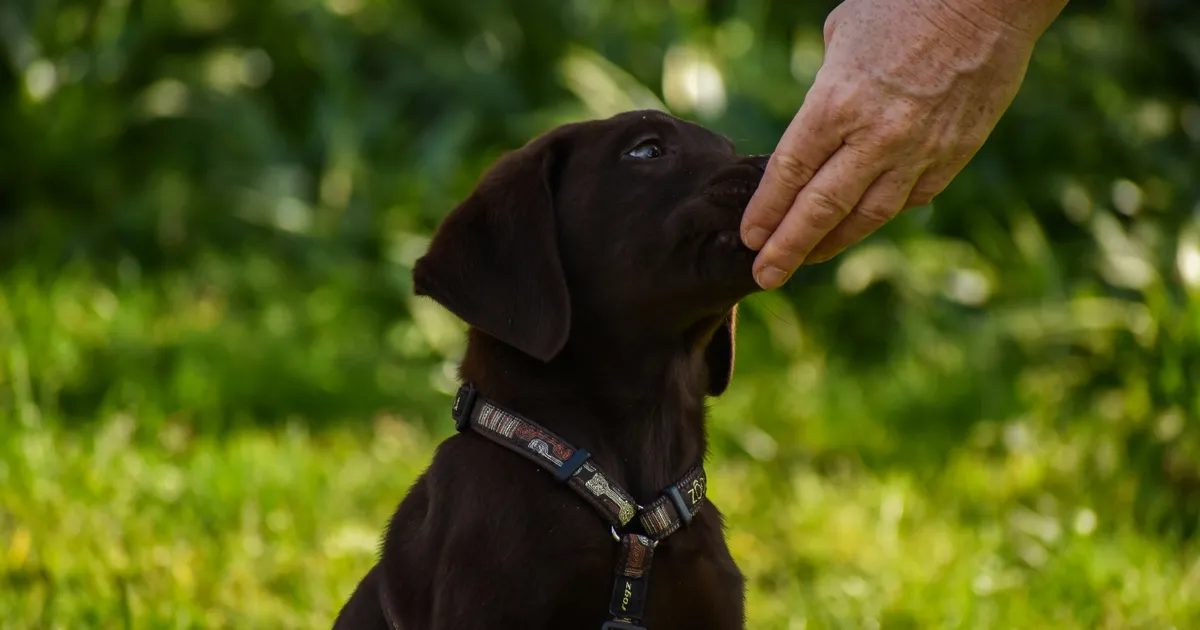
The day I brought my first puppy home, a mischievous Border Collie mix named Rocket, I was utterly overwhelmed. Despite all my research, the sheer chaos of a tiny fur ball with boundless energy and a bladder the size of a thimble hit me hard. It was in those first few weeks that I truly understood the profound difference a structured approach makes. For any first-timer, implementing the best puppy training schedule for first time dog owners with easy methods isn’t just helpful; it’s absolutely essential for building a strong bond and a well-behaved companion. Without a plan, you’re just reacting, and that’s a recipe for frustration for both you and your new furry family member.
Setting the Foundation: The First Few Weeks
The initial weeks with your new puppy are paramount, akin to laying the groundwork for a skyscraper. This period is all about establishing routines, introducing their new environment, and beginning critical house training. Consistency is your most powerful tool here. From the moment they wake up, take them outside for a potty break, then feed them, play briefly, and then another potty break. This predictable cycle helps them understand expectations quickly and minimizes accidents indoors, which is a huge win for any first-time owner. Make sure their designated potty spot is easily accessible and always reward successful eliminations with high-value treats and enthusiastic praise.
Crate training is another cornerstone of these early weeks and often misunderstood. A crate isn’t a punishment; it’s a safe den for your puppy, offering security and aiding in house training. Introduce it positively with treats and toys, never forcing them in. Start with short periods, gradually increasing the duration as they become comfortable. This method significantly reduces anxiety and prevents destructive behaviors when you can’t supervise them directly. Remember, puppies thrive on routine, and a consistent schedule for feeding, potty breaks, play, and sleep will drastically reduce stress for both of you, setting a positive tone for their future training.
Building Blocks of Obedience: Early Commands
Once your puppy has settled into their new home and understands the basic house rules, it’s time to introduce foundational obedience commands. “Sit” is often the first and easiest to teach, using a lure-and-reward method. Hold a treat near their nose and move it slowly over their head, causing their rear to naturally lower into a sit. As soon as their bottom touches the ground, mark the behavior with a word like “Yes!” or a clicker, and immediately give the treat. Repetition in short, fun sessions (5-10 minutes, 2-3 times a day) is far more effective than long, drawn-out drills that bore a puppy.
Following “Sit,” “Stay” and “Come” are incredibly valuable commands that enhance safety and control. For “Stay,” start with very short durations and minimal distance, gradually building up as your puppy grasps the concept. “Come” (or “Recall”) is perhaps the most crucial for off-leash safety. Make it an exciting game, always rewarding generously when they return to you, even if they were distracted for a moment. Using a long line in a safe, enclosed area can help practice recall while maintaining control. These early commands, taught with patience and positive reinforcement, form the bedrock of a well-behaved dog and prevent many behavioral issues down the line.
Socialization: A Critical Component
Proper socialization is often overlooked by first-time dog owners, yet it’s arguably one of the most critical aspects of raising a well-adjusted dog. The “critical socialization window” typically closes around 16 weeks of age, making it imperative to expose your puppy to a wide variety of positive experiences during this time. This includes meeting different types of people (men, women, children, people in hats or uniforms), encountering various sights and sounds (cars, vacuums, city noises), and interacting with other friendly, vaccinated dogs in a controlled manner. A well-socialized puppy grows into a confident adult, less prone to fear-based aggression or anxiety.
The goal isn’t just exposure but positive exposure. Pair new experiences with high-value treats and praise to create positive associations. For example, if your puppy is wary of the vacuum, turn it on briefly from a distance, give a treat, and turn it off. Gradually decrease the distance as they become comfortable. Enrolling in a reputable puppy class is an excellent way to safely socialize your puppy with other dogs and people under expert supervision. The American Veterinary Society of Animal Behavior (AVSAB) strongly advocates for early puppy socialization, even before all vaccinations are complete, due to its immense benefits outweighing the small risks. You can find more information on their official position statement regarding puppy socialization here.
Why Early Socialization Matters
Early socialization isn’t just about making friends; it’s about building resilience and adaptability in your puppy. A puppy that has positive experiences with a diverse range of stimuli during its formative weeks is better equipped to handle novel situations as an adult. Without this crucial foundation, dogs can develop fear, anxiety, or even aggression towards unfamiliar people, places, or other animals. This can severely limit their quality of life and yours, making walks stressful and introducing new experiences a challenge. Think of it as investing in your puppy’s emotional intelligence and mental well-being for their entire life, ensuring they can navigate the human world confidently and calmly.
Managing Puppy Energy: Play and Enrichment
A tired puppy is a good puppy, and managing their boundless energy is a key part of any effective training schedule. Structured playtime isn’t just for fun; it’s an opportunity for mental and physical exercise that prevents destructive behaviors born out of boredom. Incorporate various types of play, such as fetch, tug-of-war (with rules, like “drop it” on command), and interactive puzzle toys. These activities burn off physical energy and also engage their minds, which is equally important for their development. Mental stimulation can often be more tiring for a puppy than physical exercise, so don’t underestimate its power.
Beyond active play, provide your puppy with appropriate enrichment to keep them occupied when you’re busy. This includes durable chew toys, KONGs stuffed with peanut butter or yogurt, and snuffle mats where they can “hunt” for treats. Rotating these items keeps them novel and interesting. For the modern puppy owner in 2026, there are countless innovative enrichment toys designed to challenge and engage. Remember that puppies explore the world with their mouths, so always provide acceptable outlets for chewing to protect your furniture and shoes. A well-exercised and mentally stimulated puppy is far less likely to chew inappropriately or bark excessively.
Troubleshooting Common Challenges
Even with the best puppy training schedule for first time dog owners, challenges will inevitably arise. Nipping and biting, for instance, are completely normal puppy behaviors, but they need to be redirected. When your puppy nips, yelp loudly (like a littermate would), immediately withdraw attention, and walk away. After a few seconds, return. If they nip again, repeat. This teaches them that biting makes the fun stop. Always offer an appropriate chew toy as an alternative. Consistency is key here; everyone in the household must follow the same protocol.
Jumping up for attention is another common puppy habit. The easiest way to address this is to ignore the behavior entirely. Turn your back, cross your arms, and only give attention (petting, praise) when all four paws are on the floor. If they jump, disengage immediately. This teaches them that jumping doesn’t get them what they want. Similarly, excessive barking often stems from boredom or a need for attention. Ensure your puppy is getting enough exercise and mental stimulation. If they bark for attention, ignore it, and reward silence. This might feel counterintuitive, but ignoring the unwanted behavior while rewarding the desired one is a powerful training technique that works wonders in 2026 and beyond.
Key Takeaways
- Consistency is King: Strict adherence to a daily schedule for feeding, potty breaks, play, and training sessions is the single most important factor for success, especially for house training and establishing good habits.
- Positive Reinforcement Only: Reward desired behaviors with treats, praise, and play. Avoid punishment, which can damage your bond and create fear or anxiety. Focus on showing your puppy what you want them to do, not what you don’t.
- Prioritize Early Socialization: Expose your puppy to a wide range of people, places, sounds, and other friendly, vaccinated dogs during their critical socialization window (up to 16 weeks). This builds confidence and prevents future behavioral issues.
- Engage Body and Mind: Ensure your puppy receives adequate physical exercise through play and mental stimulation through puzzle toys and short training sessions. A tired, mentally engaged puppy is a well-behaved puppy.
Frequently Asked Questions
How long should puppy training sessions be?
Puppies have short attention spans, so keep training sessions brief, typically 5-10 minutes long. Aim for 2-3 sessions per day, focusing on one or two commands or skills per session. This prevents boredom and keeps training fun and engaging for your puppy.
When can my puppy start going to puppy classes?
Most reputable puppy classes welcome puppies as young as 8 weeks old, provided they have received their first round of vaccinations and have a clean bill of health from a veterinarian. Early enrollment is highly recommended for crucial socialization.
What should I do if my puppy has an accident inside?
If you catch your puppy in the act, calmly interrupt them, take them immediately outside to their designated potty spot, and reward them if they finish there. If you find an accident after the fact, simply clean it thoroughly with an enzymatic cleaner and resolve to supervise more closely. Never punish your puppy for accidents, as they won’t understand why and it can lead to fear.
Is it ever too late to start training my puppy?
It’s never too late to start training a dog, regardless of age. While the early puppy stage is ideal for establishing foundational behaviors and socialization, older puppies and even adult dogs can learn new commands and overcome behavioral challenges with patience, consistency, and positive reinforcement. Every interaction is a training opportunity.
Conclusion
Embarking on the journey of puppy parenthood is a profound experience, filled with immense joy and, yes, a few challenges. By committing to the best puppy training schedule for first time dog owners with easy methods, you’re not just teaching commands; you’re building a language of trust and understanding with your new companion. Remember that patience, consistency, and positive reinforcement are your greatest allies. Enjoy these precious early months, celebrate every small victory, and watch your little fur ball blossom into a confident, well-behaved, and cherished member of your family. The effort you put in now will pay dividends for years to come.