

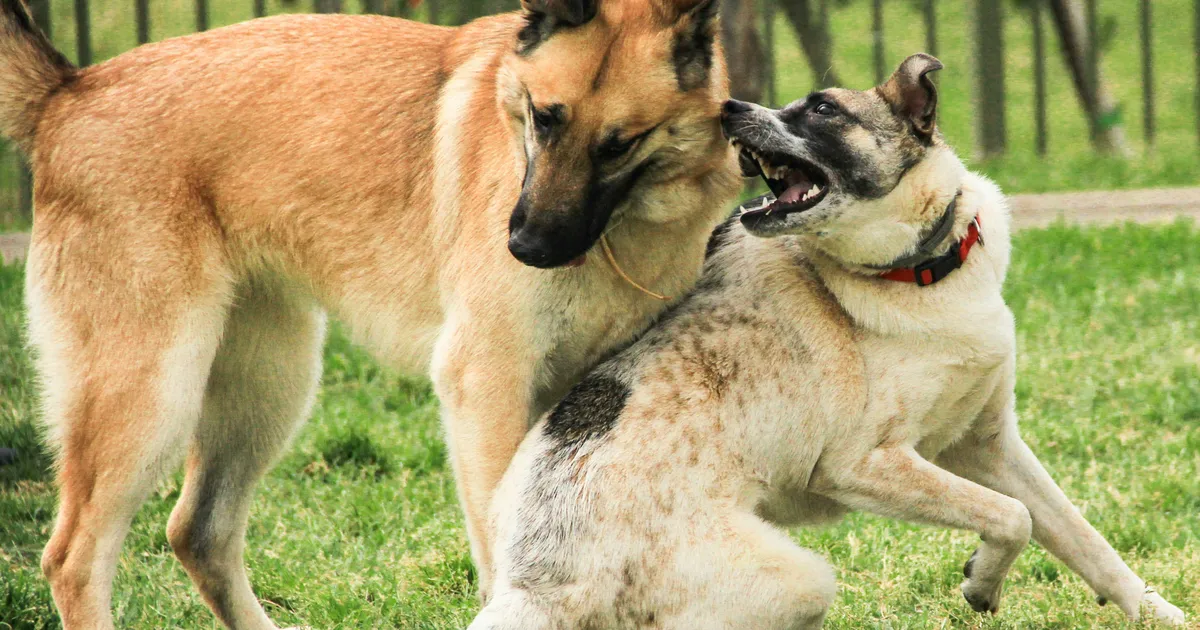
I’ll never forget Max, a beautiful German Shepherd mix who, despite his gentle eyes, displayed truly aggressive behavior in dogs when anyone approached his food bowl. It was heartbreaking to see his fear manifest as snarls and snaps, not because he was “bad,” but because he felt threatened. This experience, among many others over the past decade, taught me a crucial lesson: aggression is almost always a symptom, not a diagnosis. It’s a cry for help, a plea for understanding, and often, something that can be profoundly improved with simple, consistent training methods rooted in compassion and science. By addressing the underlying causes and implementing targeted strategies, we can help our beloved companions navigate their world with greater confidence and less reactivity.
Understanding the “Why” Behind Aggression
Before we can even begin to fix aggressive behavior in dogs, we must first understand its root cause. Aggression is a complex behavior, rarely stemming from a desire to be “mean.” More often, it’s driven by fear, anxiety, pain, or a need to protect valued resources or territory. A dog might lash out because they are in discomfort – perhaps an undiagnosed medical condition is causing pain when touched, or an old injury flares up unexpectedly. Without ruling out medical issues, any training efforts could be futile, even detrimental. This fundamental step requires keen observation of triggers and context, helping us pinpoint what makes our dog feel vulnerable enough to resort to aggression.
Another common driver is fear, often born from lack of socialization during critical developmental periods, or traumatic past experiences. Dogs who haven’t learned to cope with new sights, sounds, or people may perceive them as threats, leading to defensive aggression. Resource guarding, where a dog protects food, toys, or even their human, is another form of aggression rooted in perceived scarcity or insecurity. Understanding these distinctions is paramount. Is your dog aggressive towards strangers, other dogs, or specific objects? Each scenario offers clues that guide our intervention strategy, moving us beyond simply labeling the dog as “aggressive” to understanding their unique communication.
Prioritizing Safety and Management
When dealing with a dog exhibiting aggressive tendencies, the very first priority must be safety – for humans, other pets, and the dog themselves. This isn’t just about preventing bites; it’s about preventing situations that reinforce the aggressive behavior. Management strategies are temporary solutions designed to control the environment and avoid triggers while training is underway. This might involve keeping your dog on a leash at all times in public, using baby gates at home, or even crating them when visitors arrive. It’s about setting them up for success by removing opportunities for them to practice unwanted behaviors, reducing stress for everyone involved.
Muzzle training is another critical, often misunderstood, safety tool. A well-fitted basket muzzle, introduced positively and gradually, allows a dog to pant, drink, and even take treats, but prevents bites. It provides an invaluable layer of safety during walks, vet visits, or when introducing new stimuli, allowing both you and your dog to relax slightly. This isn’t a punishment; it’s a responsible management tool that can actually reduce a dog’s anxiety by removing the pressure to defend themselves. By 2026, I hope muzzle training becomes as normalized as leash training for any dog with a bite history or potential for reactivity, fostering greater safety and understanding.
Building a Foundation of Trust
Effective training for aggressive behavior in dogs hinges on building a strong, positive relationship based on trust and clear communication. Your dog needs to see you as a benevolent leader, a source of safety and positive experiences, not as a threat or an unpredictable force. This means moving away from punitive methods, which can exacerbate fear and aggression, and embracing positive reinforcement. When your dog makes a good choice, no matter how small, reward it lavishly with treats, praise, or play. This creates a powerful association: “good things happen when I behave calmly.”
Start with basic obedience commands in a low-distraction environment. “Sit,” “stay,” “come,” and “leave it” aren’t just tricks; they’re vital communication tools that give you influence over your dog’s actions and attention. Practicing these commands regularly strengthens your bond and helps your dog learn to look to you for guidance. For instance, a strong “leave it” command can be a lifesaver if your dog fixates on a trigger. Remember, consistency is key; every interaction is an opportunity to reinforce desired behaviors and build that essential foundation of trust.
The Power of Positive Reinforcement
Positive reinforcement is truly the cornerstone of resolving aggressive behavior. It’s about teaching your dog what you do want them to do, rather than punishing them for what you don’t. When your dog remains calm in the presence of a trigger, even for a fleeting moment, acknowledge and reward that calmness. This technique, often called counter-conditioning, changes your dog’s emotional response from negative (fear, aggression) to positive (anticipation of a reward). It’s not about bribing; it’s about creating new, happy associations. For example, if your dog barks at other dogs, every time another dog appears at a distance they can tolerate, give them a high-value treat. Over time, the sight of another dog predicts treats, not fear.
Practical Training Techniques
Once a foundation of trust is established, we can implement specific, simple training techniques. Desensitization and counter-conditioning are two of the most powerful tools. Desensitization involves gradually exposing your dog to their triggers at a level so low they don’t react, then slowly increasing the intensity. Imagine a dog reactive to strangers: start with strangers far away, barely visible, pairing their presence with high-value treats. As your dog shows less concern, slowly decrease the distance. This process must be slow, patient, and always below the dog’s “threshold” for reaction.
The “Look at That” (LAT) game is another fantastic method. When your dog spots a trigger (e.g., another dog, a person), mark the moment they look at it (e.g., with a clicker or a verbal “yes!”) and immediately reward them. The goal is to teach them that seeing the trigger means good things happen, and to look back at you for their reward. This shifts their focus from reacting negatively to checking in with you. Consistency with these methods is vital; a few minutes of focused training daily can yield incredible results over weeks and months. You can find excellent resources on LAT and other methods from organizations like the ASPCA, which provide detailed guides for implementation.
The Journey: Patience and Professional Help
Addressing aggressive behavior in dogs is a marathon, not a sprint. There will be good days and bad days, and progress might feel agonizingly slow at times. Patience, consistency, and realistic expectations are your greatest allies. Celebrate small victories – a walk without a bark, a visitor who was tolerated, a moment of calm where there once was chaos. Remember that your dog isn’t trying to be difficult; they are struggling to cope. Your calm, confident leadership and unwavering support are crucial for their success. It’s truly a testament to the human-animal bond.
While many simple training methods can be highly effective, it’s vital to recognize when professional help is needed. If your dog’s aggression is severe, has resulted in bites, or if you feel overwhelmed and unsure how to proceed, please consult a certified professional dog trainer or a veterinary behaviorist. These experts have the knowledge and experience to create a tailored behavior modification plan and can rule out complex underlying issues. Investing in professional guidance is a responsible step that can accelerate progress and ensure the safety and well-being of everyone involved, setting your dog up for a happier, less reactive life well into 2026 and beyond. For finding certified professionals, the AKC offers resources.
Key Takeaways
- Understand the Root Cause: Aggression is usually a symptom of fear, pain, or insecurity. Always consult a vet first to rule out medical issues before starting any behavior modification.
- Prioritize Safety and Management: Implement strategies like leash control, secure environments, and positive muzzle training to prevent incidents and keep everyone safe while training is underway.
- Build Trust Through Positive Reinforcement: Focus on rewarding desired behaviors and creating positive associations with triggers. Avoid punishment, which can worsen fear and aggression.
- Employ Gradual Training Techniques: Use desensitization and counter-conditioning methods like the “Look at That” game to slowly change your dog’s emotional response to triggers, always working below their reaction threshold.
Frequently Asked Questions
Can all aggressive behavior in dogs be fixed with simple training?
While many forms of aggressive behavior can be significantly improved, and often resolved, with consistent positive reinforcement training, the severity and underlying cause play a big role. Simple methods are powerful, but complex cases, especially those with a bite history or deep-seated fear, often benefit immensely from the guidance of a certified professional dog trainer or a veterinary behaviorist. It’s about finding the right tools and support for each unique dog.
How long does it typically take to see results?
There’s no single answer, as it varies widely depending on the dog, the type and history of aggression, and the consistency of the training. Some dogs show subtle improvements in a few weeks, while significant changes might take months or even over a year. Patience is critical, and celebrating small, incremental successes will help you stay motivated. Remember, you’re changing deeply ingrained emotional responses, which takes time and dedication.
Is it ever too late to train an older dog with aggressive tendencies?
Absolutely not! While puppies are often easier to mold, adult and even senior dogs are fully capable of learning new behaviors and changing their emotional responses. They might have more established habits, which means it could take longer, but their capacity to learn and bond with their human remains strong. It’s never too late to start building trust and teaching new coping mechanisms.
What if my dog’s aggression seems to be getting worse despite training?
If you observe an increase in aggression or a lack of improvement despite consistent training, it’s a strong indicator that you need to seek professional help immediately. This could mean the training approach isn’t quite right for your dog, there’s an undiagnosed medical issue, or the underlying emotional state is more severe than anticipated. A qualified veterinary behaviorist or certified professional dog trainer can assess the situation and adjust the plan accordingly.
Conclusion
Witnessing aggressive behavior in dogs can be frightening and disheartening, but it doesn’t have to be a permanent sentence. With a compassionate heart, a commitment to understanding, and the application of simple, positive training methods, profound change is possible. Remember to prioritize safety, build trust, and celebrate every small step forward. Your dog isn’t trying to be “bad”; they’re trying to communicate, and with your guidance, they can learn to navigate the world with confidence, transforming fear into connection. The journey requires dedication, but the reward of a happy, well-adjusted companion is immeasurable.