

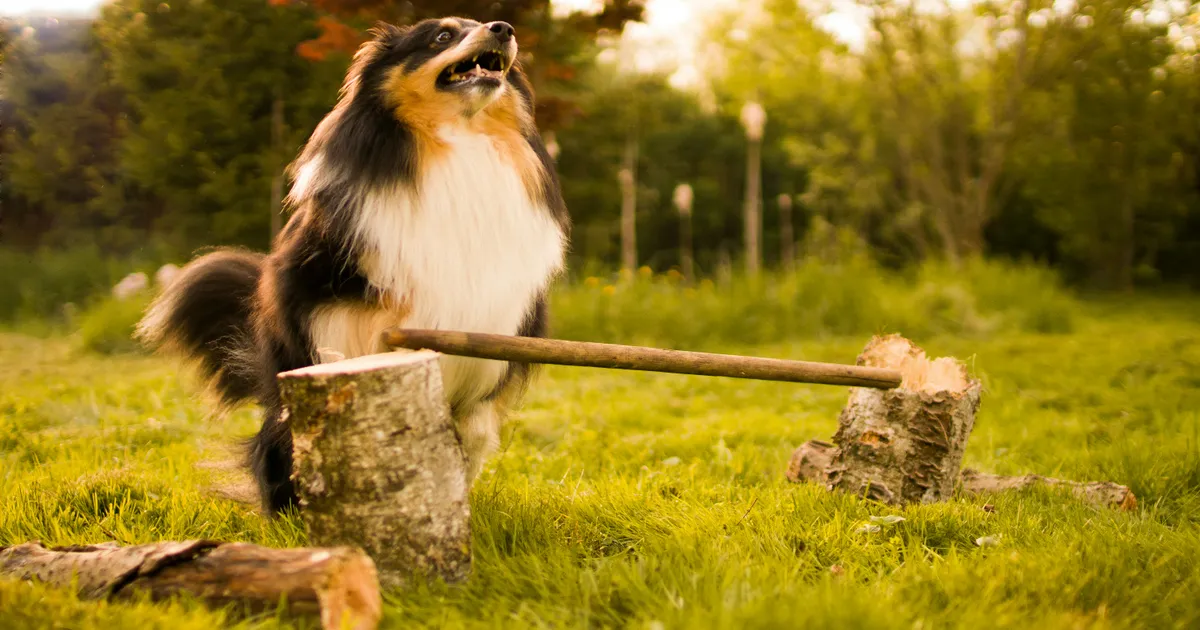
Did you know that an estimated 15-40% of dogs suffer from anxiety, which often manifests as a lack of confidence? Many pet parents struggle to understand how to build dog confidence with simple daily exercises, believing it requires complex training or professional intervention. The truth is, fostering a brave and self-assured canine companion is entirely achievable through consistent, gentle efforts embedded into your everyday routine. This comprehensive guide will equip you with practical strategies to transform your dog’s outlook, helping them navigate the world with greater ease and joy, starting today.
Building your dog’s confidence involves consistent positive reinforcement, predictable routines, gradual exposure to new experiences, and engaging them in simple, rewarding daily exercises. Focus on creating a safe environment where your dog feels understood and celebrated for their efforts, fostering trust and a strong bond that underpins all self-assurance.
Understanding Canine Confidence
A confident dog is not necessarily one that is boisterous or dominant; rather, it’s a dog that feels secure in its environment and its relationship with its human. They are less prone to fear-based reactions, excessive barking, or destructive behaviors often stemming from anxiety. Recognizing the subtle signs of low confidence, such as tucked tails, averted gaze, excessive licking, or reluctance to explore, is the first critical step. Observing these cues allows you to tailor your approach, ensuring that your interventions are appropriate and effective for your specific dog’s needs.
Building a strong foundation of trust and understanding is paramount before embarking on any confidence-building exercises. Your dog needs to see you as a reliable leader who provides safety and positive experiences. This involves consistent routines, clear communication, and always advocating for your dog in unfamiliar or overwhelming situations. By creating a predictable and supportive home environment, you establish the bedrock upon which genuine canine self-esteem can flourish, making every exercise more impactful.
Foundation: Positive Reinforcement
Positive reinforcement is the cornerstone of effective confidence building, shaping your dog’s perception of new experiences as rewarding rather than frightening. Every time your dog shows a flicker of bravery—whether it’s sniffing a new object, approaching an unfamiliar person, or simply looking at something scary without reacting—mark that moment with praise, a treat, or a favorite toy. This immediate positive association teaches them that venturing out of their comfort zone leads to good things, encouraging future brave behaviors.
Consistency in positive reinforcement is key to solidifying these new neural pathways. Short, frequent training sessions throughout the day are far more effective than long, infrequent ones. Make every interaction an opportunity to reward calm, curious, or brave behavior. Over time, your dog will begin to associate new situations and challenges with positive outcomes, gradually boosting their self-assurance and willingness to engage with the world around them. This method is incredibly powerful for dogs of all ages and temperaments.
The Power of Choice and Control
Empowering your dog with a sense of agency significantly contributes to their confidence. Allowing them to make small choices, such as which path to take on a walk (within safe boundaries) or which toy to play with, can reduce anxiety and foster a feeling of control. Offering choices during training, like choosing which trick to perform first, also builds their internal locus of control, vital for a resilient mindset in 2026.
Mastering Basic Obedience
Basic obedience commands are more than just tricks; they are powerful tools for building confidence and communication between you and your dog. When a dog understands and can reliably perform commands like “sit,” “stay,” “come,” and “down,” they gain a sense of predictability and control. Each successful execution is a small victory, reinforcing their belief in their own abilities and strengthening their bond with you. This mental engagement also helps redirect nervous energy.
Practicing these commands in various, gradually more challenging environments further enhances their self-assurance. Start in a quiet, familiar setting, then slowly introduce distractions like a park or a pet-friendly store. The consistency of successful responses, coupled with your enthusiastic praise, teaches your dog that they can perform well even when faced with novel stimuli. For more detailed guidance on effective obedience training, resources like the American Kennel Club’s training tips can be invaluable.
Controlled Exposure & Socialization
Gradual, positive exposure to new sights, sounds, people, and other dogs is crucial for building a confident canine. This isn’t about overwhelming them; it’s about controlled, gentle introductions. Start with low-intensity situations, such as observing a bustling park from a distance, and slowly decrease the distance as your dog shows comfort. Always allow them to set the pace and retreat if they show signs of stress, ensuring every experience is positive.
Proper socialization, even for adult dogs, involves curating positive interactions. If your dog is shy around other dogs, consider “parallel walks” where you and another dog owner walk side-by-side at a comfortable distance, gradually getting closer over several sessions. Similarly, introducing them to calm, confident human friends one at a time, always with treats and positive associations, can significantly boost their social bravery. Remember, quality over quantity is key for building genuine resilience.
Enrichment: Games & Puzzle Play
Mental stimulation through games and puzzle toys plays a vital role in developing a dog’s problem-solving skills and self-efficacy. When dogs successfully figure out how to get a treat from a puzzle, they experience a surge of accomplishment that directly translates into increased confidence. These activities tap into their natural instincts, providing a healthy outlet for energy and curiosity.
Simple daily games like “hide and seek” with treats or toys, or teaching them to find specific objects, are excellent for boosting their bravery. These exercises encourage them to use their senses, explore their environment, and make independent decisions, all within a safe and rewarding context. Regularly incorporating these types of enrichment activities into your routine will not only prevent boredom but also equip your dog with the mental fortitude to approach new challenges with greater self-assurance, a crucial aspect of canine well-being in 2026. For more ideas on enriching your dog’s life, sites like the ASPCA’s enrichment section offer great insights.
Key Takeaways
- Prioritize consistent positive reinforcement for every brave or curious behavior.
- Build a strong foundation of trust and understanding through predictable routines.
- Utilize basic obedience training to empower your dog with a sense of control and accomplishment.
- Implement gradual, controlled exposure to new stimuli, always respecting your dog’s comfort level.
- Incorporate daily mental enrichment games and puzzle toys to boost problem-solving skills.
Frequently Asked Questions
How long does it take to build a dog’s confidence?
Building a dog’s confidence is a gradual process that varies greatly depending on the individual dog’s temperament, past experiences, and the consistency of the owner’s efforts. While some dogs show improvement in weeks, others may take months or even years. Patience, consistency, and celebrating small victories are crucial for long-term success.
Can an older dog learn to be more confident?
Absolutely! Dogs of all ages are capable of learning and adapting. While older dogs may have ingrained habits or past traumas, with consistent positive reinforcement, gentle exposure, and a supportive environment, senior dogs can absolutely learn to overcome fears and become more confident. It’s never too late to start.
What if my dog is extremely fearful?
For extremely fearful dogs, it’s vital to proceed with extreme caution and consider consulting a certified professional dog trainer or a veterinary behaviorist. They can help identify triggers, rule out underlying medical conditions, and develop a tailored behavior modification plan that may include desensitization, counter-conditioning, and potentially medication.
Should I comfort my dog when they are scared?
It’s a common misconception that comforting a scared dog reinforces fear. In reality, providing gentle reassurance, calm petting, and a soothing voice when your dog is scared does not reinforce the fear itself, but rather reinforces your presence as a safe haven. Avoid overly dramatic reactions, but calmly offering comfort can strengthen your bond and help your dog feel less alone in their fear, especially if you then gently redirect their focus.
Conclusion
Building your dog’s confidence is a rewarding journey that strengthens your bond and enhances their quality of life. By consistently applying these simple daily exercises—from positive reinforcement and basic obedience to controlled exposure and engaging enrichment—you empower your canine companion to navigate the world with greater self-assurance. Remember, every small step forward is a victory. Your dedication will help your dog flourish into the brave, happy, and well-adjusted companion you both deserve. What small step will you take today to boost your dog’s confidence?