

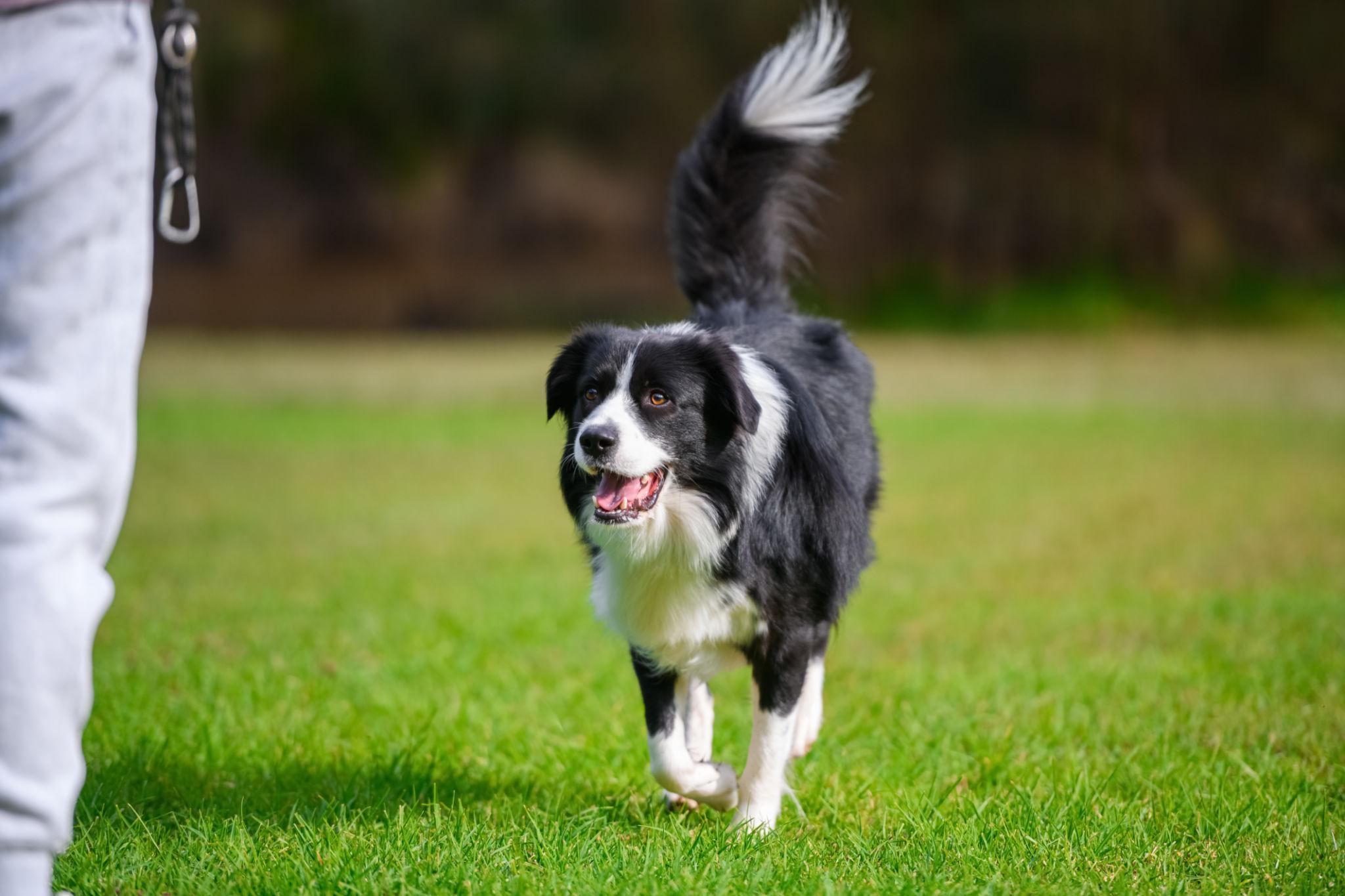
Trail running changes the rhythm of exercise. Pavement gives way to dirt paths, elevation shifts challenge muscles, and every run becomes a moving landscape. For many active people, adding a dog to that experience feels like a natural extension of the lifestyle. The right canine companion can turn long miles into shared adventures, but not every dog is built for steep climbs, technical terrain, and sustained distance.
Research on canine athletic performance has shown that many working and hunting breeds were selectively developed for stamina, cardiovascular efficiency, and endurance traits rather than short bursts of speed. (PMC)
For active owners, selecting a running partner involves much more than choosing a high energy breed. Running style, climate, terrain, recovery ability, temperament, and trainability all matter. Guidance from organizations such as American Kennel Club and veterinary resources from Cornell University College of Veterinary Medicine consistently emphasize that athletic ability and lifestyle compatibility should be considered together.
This guide explores the dog breeds most capable of handling endurance based trail activities while also looking at practical ownership considerations.
Why Endurance Matters More Than Speed
Many people assume fast dogs automatically become excellent trail partners. Speed and endurance are not identical traits.
A Greyhound can sprint with remarkable speed, yet many working hunting breeds and sled dogs maintain energy over much longer periods. Studies examining endurance performance in canine athletes suggest that selective breeding has strongly influenced metabolic efficiency and sustained work capacity. (PMC)
Trail running places unique demands on dogs:
• Sustained energy output over long distances
• Stable joint structure
• Efficient temperature regulation
• Mental focus across changing terrain
• Strong recovery capability
• Reliable responsiveness to commands
Dogs with these qualities generally thrive on mountain paths, forest trails, and uneven surfaces.
What Makes a Great Trail Running Dog?
Before looking at specific breeds, understanding key characteristics helps narrow choices.
→ Athletic body composition with lean muscle
→ Strong cardiovascular endurance
→ Moderate to high intelligence
→ Strong trainability
→ Good paw durability
→ Consistent energy levels
→ Healthy joint structure
→ Comfortable movement across varied terrain
Temperament matters as much as physical capability. An extremely energetic dog with poor focus may struggle despite strong athletic potential.
Top High Endurance Dog Breeds for Trail Runners
German Shorthaired Pointer
Among endurance oriented breeds, few dogs consistently appear in running discussions and canine sports communities more often than the German Shorthaired Pointer.
Their hunting background required full day activity over large areas of land. That translates extremely well into trail environments.
Typical strengths:
• Excellent stamina
• Strong agility
• Adaptable in different terrain
• High intelligence
• Responsive training behavior
Trail Runner Magazine has repeatedly highlighted the breed as an excellent trail companion because of its endurance and athletic versatility. (Trail Runner Magazine)
Potential considerations:
• Requires substantial daily activity
• Can become destructive if under stimulated
• Strong prey drive needs training
Vizsla
The Vizsla combines endurance with close owner attachment.
Often called “Velcro dogs” because of their tendency to stay near their owners, they naturally fit active lifestyles involving long outdoor sessions.
Strengths include:
• Exceptional endurance
• Lean athletic frame
• Strong responsiveness
• Smooth running stride
Research and breed activity guides consistently identify Vizslas among top running companions. (Royal Canin)
Border Collie

Border Collies bring a different style of endurance.
Rather than relying solely on physical power, they combine intelligence with sustained energy output.
Veterinary activity resources note that Border Collies excel in prolonged activity requiring both mental and physical engagement. (Zoetis Petcare)
Strengths:
• Outstanding agility
• Exceptional trainability
• Excellent obstacle navigation
• High mental focus
Challenges:
• Requires mental stimulation
• May develop herding behaviors
Siberian Husky
Siberian Huskies are among nature’s endurance specialists.
Long distance sled dogs can sustain astonishing workloads. Research into sled dog performance demonstrates extraordinary metabolic efficiency and aerobic capacity. (Wikipedia)
Strengths:
• Extreme endurance
• Cold weather performance
• Strong work ethic
• Efficient movement patterns
Challenges:
• Strong prey instincts
• Can be independent thinkers
• Better in cooler climates
Endurance Dog Breed Comparison Guide
Choosing the Right Running Partner
| Breed | Distance Potential | Trainability | Climate Preference | Energy Level | Best For |
|---|---|---|---|---|---|
| German Shorthaired Pointer | 5 to 15+ miles | High | Moderate | Very High | Technical trails |
| Vizsla | 5 to 12+ miles | High | Moderate | Very High | Long steady runs |
| Border Collie | 4 to 10+ miles | Very High | Moderate | Very High | Agile terrain |
| Siberian Husky | 5 to 20+ miles | Moderate | Cold climates | High | Long endurance routes |
| Australian Shepherd | 4 to 10 miles | High | Moderate | High | Mixed activity trails |
| Weimaraner | 5 to 12+ miles | Moderate | Moderate | High | Distance running |
Distances vary depending on age, conditioning, health, and weather.
Important Health Considerations Before Running Long Distances
Running ability develops gradually.
Veterinary sports medicine experts and canine conditioning resources emphasize avoiding heavy mileage during skeletal growth periods because developing joints remain vulnerable. Information from American Veterinary Medical Association and Tufts Veterinary Medical Center supports delayed endurance training for young dogs.
Watch for:
• Excessive panting
• Limping
• Refusal to continue
• Heat stress
• Paw injuries
• Delayed recovery
Breed genetics never override health screening.
Hip dysplasia, elbow conditions, and cardiac issues can affect even highly athletic breeds.
Training an Endurance Dog for Trail Running
Dogs should not jump directly into long trail sessions.
Progressive conditioning works better.
→ Start with brisk walks
→ Introduce short jog intervals
→ Increase distance gradually
→ Add hills slowly
→ Include recovery days
→ Monitor hydration carefully
The sport of canicross has grown significantly because structured training benefits both dog and owner. Canicross communities emphasize balanced conditioning and safe equipment use. (Wikipedia)
Trail Safety Tips for Active Owners
Trail environments present challenges beyond ordinary running.
Essential safety habits:
• Carry water for both runner and dog
• Avoid extreme temperatures
• Check paws after rough terrain
• Use reflective gear in low light
• Keep identification tags updated
• Learn local leash regulations
Dogs generally overcommit during exercise because excitement overrides fatigue signals. Owners must often decide when rest becomes necessary.
Frequently Asked Questions
What is the best overall dog breed for trail runners?
The German Shorthaired Pointer frequently ranks among the strongest overall choices because of endurance, adaptability, and trainability. Individual personality and health remain equally important.
Are large dogs better for trail running?
Not always. Medium sized athletic dogs often perform exceptionally well because they combine stamina with joint efficiency.
Can small dogs become trail running partners?
Yes. Some smaller breeds possess excellent endurance. Fitness level and physical structure matter more than size alone.
At what age can dogs begin running?
Most veterinarians recommend waiting until growth plates mature. This varies by breed and size.
How far can an endurance dog run?
Conditioned athletic breeds may comfortably handle several miles and, in some cases, much more. Distance should increase gradually.
Is trail running harder on dogs than road running?
Trail surfaces can reduce repetitive impact compared with concrete, although technical terrain creates different demands involving balance, climbing, and paw stress.
Which dog breeds handle hot climates better?
Vizslas and German Shorthaired Pointers generally tolerate warmer conditions better than thick coated northern breeds like Huskies.
Final Thoughts
Finding the ideal endurance dog is less about identifying the strongest athlete and more about creating the right partnership. A breed capable of running fifteen miles means little if energy levels, temperament, climate compatibility, or training needs do not align with the owner’s lifestyle.
The strongest trail companions usually share several qualities. They move efficiently, recover well, remain attentive in changing environments, and enjoy sustained activity rather than occasional bursts of exercise. Breeds such as the German Shorthaired Pointer, Vizsla, Border Collie, and Siberian Husky repeatedly stand out because generations of selective development shaped them for work requiring stamina and resilience.
Endurance dogs are not simply pets with extra energy. They are athletes with physical and mental requirements that extend beyond ordinary daily walks. Meeting those needs through training, proper recovery, nutrition, and regular veterinary care creates a healthier and safer experience for both dog and owner.
Trail running ultimately becomes more than covering miles. It becomes a shared activity built on trust, rhythm, communication, and consistency. When the right breed matches the right lifestyle, every trail can become part of a long term adventure.