

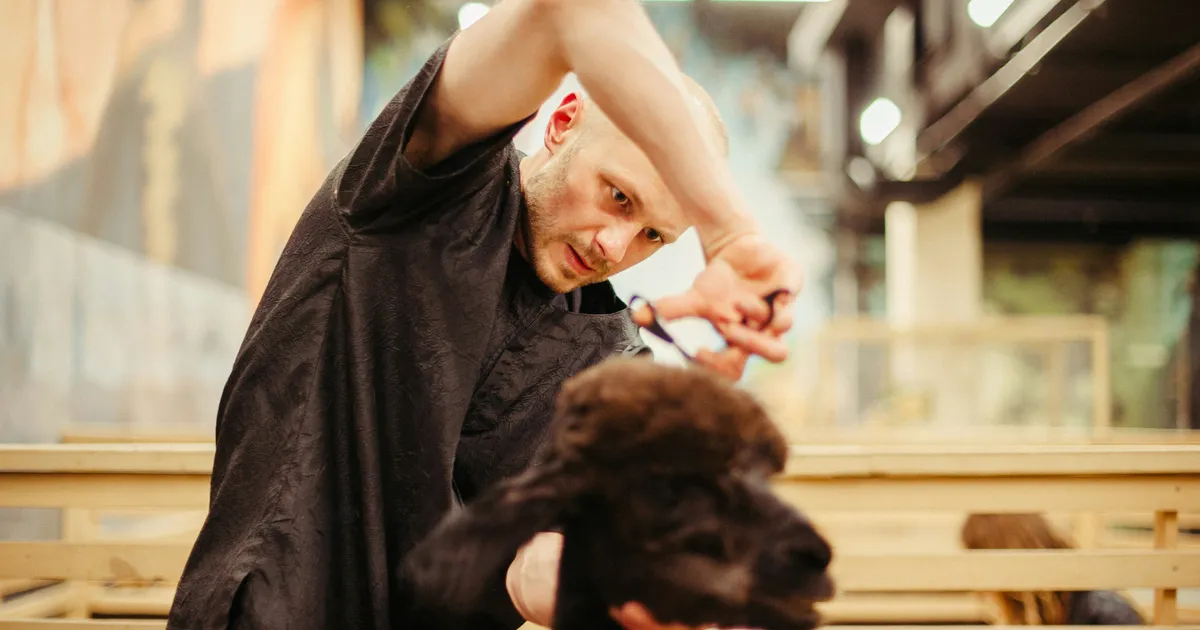
Ah, the glamorous world of dog grooming! It’s a realm where pet parents transform from loving companions into dedicated, often exasperated, stylists wielding an arsenal of brushes, clippers, and sometimes, a quiet prayer. But let’s be honest, not all coats are created equal. The grooming requirements differ between curly-coated and wirehaired dog breeds so profoundly that one might suspect they hail from different planets. While one demands a careful hand and a whole lot of fluffing, the other calls for a more robust, almost surgical, approach. Forget your casual comb-through; we’re talking about a full-blown commitment to canine coiffure, a commitment that can turn a Sunday afternoon into a fur-flying, existential crisis.
The Curly Conundrum: A Knotty Affair
Curly-coated breeds, like the ever-so-regal Poodle or the charming Portuguese Water Dog, are essentially walking, barking clouds of potential tangles. Their coats are designed to trap debris, insulate, and look utterly adorable, but they also demand a rigorous grooming schedule. Imagine having hair that instantly weaves itself into dreadlocks the moment you blink; that’s the daily reality for these pups. Regular brushing, often daily, is non-negotiable, lest you end up with a matted mess that requires a complete shave-down – a canine act of desperation no owner wants to face. It’s a job for the dedicated, the patient, and those with a strong grip on their deshedding tools.
The secret to managing these magnificent mops lies in consistency and the right tools. Slicker brushes and metal combs are your best friends, working in tandem to detangle and remove loose hair before it forms impenetrable fortresses of felt. Many curly breeds also boast continuous hair growth, meaning regular trims are essential, typically every 4-8 weeks. This isn’t just for aesthetics; it prevents matting and keeps their skin healthy underneath. Think of it as a standing appointment with a very fluffy, very opinionated client who communicates primarily through tail wags and sad puppy eyes. Maintaining their majestic curls is a labor of love, but the results are undeniably stunning, often making them the belle of the ball at any dog park.
The Poodle’s Poof and Portuguese’s Prowess
Poodles, with their iconic “poodle clips,” exemplify the artistry of curly coat grooming. Their dense, non-shedding fur is a canvas for elaborate styles, from the practical sporting clip to the show-stopping continental. The Portuguese Water Dog, on the other hand, often sports a “retriever clip” or “lion clip,” both functional for their historical role as aquatic helpers. These styles, while appearing different, share the common thread of requiring regular, skilled attention to prevent mats and maintain coat health. It’s not just about looking good; for these breeds, proper grooming is crucial for their comfort and well-being, especially if they are actively working or enjoying the great outdoors.
The Wirehaired Whimsy: Tough Love and Texture
Now, let’s pivot to the wirehaired wonders – think your feisty Terriers, the distinguished Schnauzers, or the charming Wirehaired Pointing Griffon. Their coats are a completely different beast: coarse, stiff, and designed to protect them from brambles and bad weather. These aren’t coats you can simply brush into submission. Oh no, a wire coat demands respect, and often, a special technique known as hand-stripping. This isn’t for the faint of heart, as it involves manually pulling out dead outer hairs to allow new, wiry growth to come in. It sounds barbaric, but it’s crucial for maintaining the coat’s texture, color, and protective qualities.
Without hand-stripping, a wirehaired dog’s coat can become soft, lose its vibrant color, and shed more profusely. Imagine trying to make a bristly doormat soft; it just doesn’t work. This process is typically done every few months, depending on the breed and individual dog’s coat cycle. It’s a meticulous, time-consuming task, often best left to professional groomers who possess the patience, skill, and specialized tools. For the home groomer, regular brushing with a slicker brush or a stripping knife can help maintain the coat between full strips, but don’t expect to achieve that classic wiry texture with just a quick comb-through. These dogs literally wear their toughness on their sleeves, or rather, on their entire body.
Tools of the Trade: A Tale of Two Textures
The grooming toolbox for a curly-coated canine looks distinctly different from that of its wirehaired counterpart. For the curly crew, you’re stocking up on slicker brushes (the pin-like ones that make a satisfying scratchy sound), wide-toothed metal combs, dematting rakes (your last line of defense against the dreaded mat), and high-quality clippers with various blade lengths. A good detangling spray is also a must-have, making the battle against knots slightly less traumatic for both parties. It’s all about gentle persuasion, careful separation, and preventing that fluffy coat from compacting into an unyielding felt blanket. The goal is smooth, flowing curls, not a matted disaster that screams “I haven’t seen a brush since 2026!”
Conversely, the wirehaired warrior’s toolkit is a testament to rugged efficiency. Here, you’ll find stripping knives (they look intimidating but are designed to grip and pull dead hair), stripping stones, and perhaps a good pair of thinning shears for blending. While slicker brushes and combs still have a place for general tidy-ups, they won’t achieve the desired texture or maintain the coat’s integrity in the long run. Hand-stripping gloves can also be invaluable, providing a better grip and protecting the groomer’s hands. The focus isn’t on fluff; it’s on maintaining that characteristic harsh, protective outer layer. Learning to use these tools effectively is key, or you risk making your terrier look less like a rugged individualist and more like a badly shaved sheepdog.
The Myth of the “Low Maintenance” Coat
Many first-time dog owners, lured by the promise of “non-shedding” or “hypoallergenic” coats, often fall prey to the myth that curly-coated breeds are low maintenance. Nothing could be further from the truth! While they might not leave tumbleweeds of fur across your living room, their continuous hair growth and propensity for matting demand a significant time investment. A poodle left ungroomed for too long isn’t just unsightly; it can suffer from skin irritation, infections, and discomfort. The shedding might be internal, but the need for constant care is very real. It’s a different kind of shedding, one that requires proactive intervention rather than reactive vacuuming.
Similarly, the wirehaired breeds are often mistakenly thought to be “wash and wear” because their coats appear robust. However, as we’ve established, maintaining that wiry texture requires hand-stripping, a process that is anything but low maintenance. Skipping this vital step can lead to a dull, soft, and unhealthy coat that sheds excessively. So, whether your dog is a fluffy cloud or a bristly badger, assume that “low maintenance” in the dog world is usually a euphemism for “requires a different kind of high maintenance.” Always research a breed’s specific grooming needs before bringing them home, unless you enjoy surprise visits to the emergency groomer in 2026, which trust me, you won’t.
Seasonal Shenanigans and Coat Care
Just like our wardrobes change with the seasons, so too do the grooming needs of our furry friends. For curly-coated dogs, summer often means shorter clips to help them stay cool and prevent matting from swimming or increased outdoor activity. Winter might see owners opting for slightly longer coats for insulation, though diligent brushing remains paramount to avoid snow and ice turning into painful mats. Humidity, in particular, can be a curly coat’s worst enemy, causing rapid tangling and frizz, so extra conditioning and brushing might be needed during muggy months. Keeping them comfortable and healthy involves adapting their style to the thermometer.
Wirehaired breeds also have seasonal considerations, though their focus is less on length and more on coat turnover. Many wirehaired dogs “blow” their coats seasonally, meaning the old, dead hair is ready to be stripped. This natural shedding cycle can intensify in spring and fall, making these periods ideal for a full hand-stripping session. Maintaining the protective wiry outer coat is essential year-round, but paying close attention to their natural cycles ensures their skin can breathe and new, healthy hair can grow. A well-maintained wire coat provides excellent insulation in winter and protection from sun and elements in summer, proving that their rugged exterior is more than just a fashion statement.
Professional vs. DIY: When to Call for Backup
Deciding whether to tackle grooming yourself or enlist the help of a professional groomer is a common dilemma. For curly-coated breeds, basic brushing and bathing can often be done at home, but maintaining a proper clip and dealing with severe matting usually warrants a trip to the pros. Professional groomers have specialized equipment, training, and techniques to safely and effectively manage complex coats, preventing injury and ensuring a stylish, comfortable result. If your dog comes out of the bath looking like a drowned rat and you can’t seem to get those curls back, it might be time to wave the white flag and book an appointment.
For wirehaired breeds, the “when to call for backup” question is often answered by the phrase “from the very beginning.” Hand-stripping is a specialized skill that takes practice, patience, and a keen eye. While some dedicated owners learn to strip their own dogs, many find it more practical and less stressful to rely on a professional groomer who specializes in wire coats. Attempting to strip incorrectly can be uncomfortable for the dog and result in an uneven, damaged coat. A good groomer can also advise on maintaining the coat between full strips, offering invaluable expertise that ensures your wirehaired friend always looks their best, even if their “best” involves a slightly prickly demeanor.
Key Takeaways
- Curly-coated breeds require frequent, often daily, brushing to prevent matting due to their continuous hair growth.
- Wirehaired breeds need hand-stripping every few months to maintain coat texture, color, and protective qualities.
- Grooming tools differ significantly: slicker brushes and clippers for curly coats, stripping knives for wirehaired.
- “Low maintenance” is a myth for both types; they simply demand different forms of high maintenance.
- Seasonal changes influence grooming needs, with shorter clips for curly coats in summer and stripping cycles for wirehaired.
- Professional groomers are often essential, especially for hand-stripping and complex curly coat clips.
Frequently Asked Questions
How often should I brush my curly-coated dog?
For most curly-coated breeds, daily brushing is highly recommended, especially if their coat is kept long. This prevents mats from forming and removes loose hair, keeping their skin healthy and comfortable.
Can I just clip my wirehaired dog instead of hand-stripping?
While you can clip a wirehaired dog, it will change the texture of their coat, making it softer and often duller in color. It also doesn’t remove the dead hair from the follicle, which can lead to skin issues. Hand-stripping maintains the coat’s natural, protective wire texture.
What happens if I don’t groom my curly-coated dog regularly?
Neglecting a curly-coated dog’s grooming can lead to severe matting, which is painful and can cause skin infections, hotspots, and restricted movement. In extreme cases, mats may require a complete shave-down by a professional.
Is hand-stripping painful for the dog?
When done correctly by an experienced groomer, hand-stripping should not be painful. It removes dead hair that is already loose, similar to how humans shed hair. If done improperly or on a sensitive dog, it can cause discomfort, which is why professional help is often recommended.
How can I make grooming a positive experience for my dog?
Start grooming early in puppyhood, use positive reinforcement, offer high-value treats, and keep sessions short and sweet. Introduce tools gradually and make it a calm, enjoyable bonding time. Patience is key to building a positive association with grooming.
Conclusion
So there you have it, a deep dive into the wonderfully complex world where grooming requirements differ between curly-coated and wirehaired dog breeds. It’s not just about aesthetics; it’s about health, comfort, and respecting the unique qualities of each coat type. Whether you’re battling the endless tangles of a Poodle or mastering the art of hand-stripping a Terrier, remember that every snip, brush, and pull is an act of love. Embrace the fur, the tools, and perhaps a good sense of humor, because raising a well-groomed dog, regardless of their coat type, is a rewarding, albeit sometimes hairy, adventure. Your furry friend will thank you, and frankly, so will your furniture (eventually).