

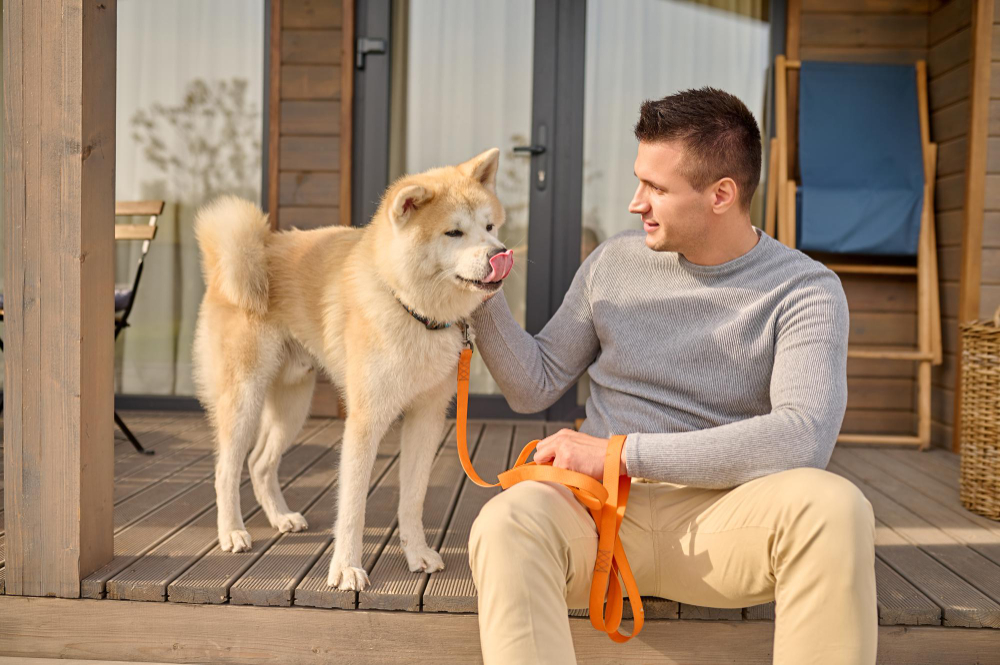
Choosing to begin the journey of owning a herding dog breed in a suburban environment is a decision that places you somewhere on the spectrum between a dedicated athlete and a patient in a high-intensity psychological experiment. It starts with a simple desire for a loyal companion who can catch a Frisbee, but quickly evolves into a lifestyle where your every movement is monitored by a creature with the work ethic of a Fortune 500 CEO and the energy levels of a supernova. In the competitive cul-de-sacs of 2026, these dogs have become the ultimate status symbol for those who enjoy being outsmarted by their pets before breakfast. While your neighbors are content with their sedentary Golden Retrievers, you are busy negotiating with a Border Collie who has decided that the backyard squirrels are actually a rogue militia that needs to be systematically detained and relocated to the patio.
The High-Octane Reality of Herding Energy
The primary challenge of owning a herding dog breed in a suburban environment is the sheer, unadulterated physical output required to keep these animals from redesigning your living room furniture. These breeds, including the Australian Shepherd and the Belgian Malinois, were engineered to cover dozens of miles a day across rugged terrain, not to pace the length of a manicured lawn in a gated community. If you don’t provide them with a rigorous physical outlet, they will invent their own, which usually involves high-speed laps around the kitchen island that would put an Olympic track star to shame. By 2026, the suburban landscape has shifted toward smaller yards, making it even more essential for owners to find creative ways to drain that seemingly bottomless reservoir of canine stamina through structured play and long-distance excursions.
Beyond the physical requirements, the mental energy of a herding dog is a force of nature that can either be your greatest asset or your worst nightmare. These dogs don’t just want to walk; they want a mission, a purpose, and perhaps a spreadsheet to track their progress throughout the afternoon. When they are confined to a suburban setting without a flock of sheep, their “job” often becomes monitoring the mail carrier or organizing your shoes by color and chewability. To truly thrive, these dogs require advanced engagement, such as those found through the American Kennel Club‘s various sporting programs, which offer a constructive outlet for their innate drives. Failing to engage their brains is essentially handing a loaded emotional weapon to a toddler; eventually, something expensive is going to get broken, and it will probably be your spirit.
Navigating the Neighborhood Social Dynamic
Suburban life is built on social etiquette, quiet afternoons, and the unspoken agreement that your dog won’t try to “round up” the neighborhood children during a birthday party. Unfortunately, the herding instinct does not come with a “suburban mode” switch that disables the urge to nip at heels or circle moving objects. When you are owning a herding dog breed in a suburban environment, you quickly realize that your dog views the local joggers and cyclists as stray livestock that have escaped their pens. This can lead to some awkward conversations over the garden fence when your Sheltie decides that the neighbor’s toddler is drifting too far to the left and needs a firm, toothy correction. Socializing these breeds requires a level of vigilance that turns a simple walk into a tactical operation involving treats, clickers, and constant environmental scanning.
However, there is a distinct upside to this hyper-awareness that many suburban owners find deeply rewarding and occasionally quite humorous. Herding dogs are the undisputed kings of the “neighborhood watch,” possessing an uncanny ability to notice a strange car or a misplaced trash can from three blocks away. While a Beagle might sleep through a burglary, a Corgi will alert you to the presence of a suspicious moth three minutes before it even enters your airspace. In the safety-conscious world of 2026, having a living, breathing security system that also happens to enjoy belly rubs is a significant “pro” for many families. They are intensely loyal, forming bonds so tight that they are often referred to as “velcro dogs,” ensuring you will never have to go to the bathroom alone ever again for the rest of the dog’s natural life.
The Intellectual Burden of a Genius Dog
Owning a dog that is smarter than some of your extended family members is a humbling experience that requires constant adaptation. These breeds can learn a new command in five repetitions, but they also learn how to open the “child-proof” pantry door in three. You find yourself hiding the car keys and using coded language to discuss the “W-A-L-K” because the mere mention of the word triggers a level of excitement that could power a small city. Their intelligence means they are highly trainable, but it also means they are experts at manipulating their environment to get what they want, whether that is an extra treat or a third session of fetch. It is a constant game of chess where the dog is always thinking three moves ahead of your afternoon nap plans.
Comparing the Suburban Herding Experience
To truly understand the trade-offs of bringing a working dog into a residential setting, one must look at the specific pros and cons that define daily life. While the “pros” often revolve around the dog’s incredible capabilities and loyalty, the “cons” are usually centered on the logistical nightmare of containing that brilliance within a quarter-acre lot. The following table highlights the common contradictions owners face when managing these specialized breeds in a modern suburban context.
| Feature | The Suburban Pro | The Suburban Con |
|---|---|---|
| Intelligence | Can learn 200+ tricks and help with chores. | Will learn to operate the smart-fridge by 2026. |
| Energy | The ultimate motivation to stay fit and active. | Requires 2 hours of exercise even in a blizzard. |
| Instinct | Naturally protective and highly observant. | May attempt to herd the neighbor’s leaf blower. |
| Loyalty | Will never leave your side for a second. | Severe separation anxiety if left alone for an hour. |
| Training | Excels in agility, dock diving, and obedience. | Becomes a destructive “land shark” if bored. |
As the table suggests, every positive trait of a herding breed is a double-edged sword when placed in a suburban environment. Their intelligence makes them a joy to train but a terror to leave unsupervised in a kitchen full of gadgets. Their energy makes them the perfect hiking companion, but it also means your “relaxing” Sunday involves throwing a ball until your rotator cuff requires medical intervention. Understanding this balance is the key to a successful relationship, as it allows the owner to anticipate the dog’s needs before they manifest as a shredded sofa or a hole in the backyard fence. It is a high-maintenance partnership that offers high-yield emotional rewards for those willing to put in the literal and figurative legwork.
The Essential Need for a Suburban Job
The secret to successfully owning a herding dog breed in a suburban environment is the realization that your dog needs a job, even if that job is entirely fabricated for your own sanity. In the absence of a flock of sheep, you must become the “Chief Operations Officer” of your dog’s daily schedule, assigning tasks that challenge their intellect and satisfy their drive. This can range from scent work in the basement to “helping” bring in the groceries, which usually involves the dog carrying a single loaf of bread with the gravity of a bomb disposal expert. By giving them a role within the household hierarchy, you mitigate the risk of them finding their own employment, which typically involves “de-stuffing” every pillow in the guest room to see what is inside.
Modern dog training has evolved significantly by 2026, with a heavy emphasis on “enrichment” over simple obedience, which is vital for herding breeds. Using puzzle feeders, interactive toys, and structured “sniffaris” allows these dogs to use their natural instincts in a way that is compatible with suburban living. Resources from the Association of Professional Dog Trainers emphasize that mental fatigue is often more effective than physical exhaustion for these high-drive breeds. A twenty-minute session of hide-and-seek with their favorite toy can be more taxing for a Border Collie than a two-mile run, as it forces them to engage their olfactory senses and problem-solving skills. Without these “jobs,” the suburban herding dog becomes a frustrated genius, and a frustrated genius with teeth is never a good combination for your home decor.
Noise Management and the Vocal Sentinel
One of the most frequently overlooked aspects of owning a herding dog breed in a suburban environment is their propensity for vocalization. These dogs were bred to use their voices to communicate with handlers and intimidate stubborn livestock, a trait that does not always endear them to the neighbors. Whether it’s the sharp, piercing bark of a Sheltie or the rhythmic “oomph” of a German Shepherd, these dogs have a lot to say about the state of the neighborhood. They will bark at the wind, the mailman, a suspicious-looking plastic bag, or simply because they have a thought they feel the world needs to hear. Managing this vocal drive is a full-time task that requires consistent training and a very understanding set of neighbors who appreciate “enthusiastic” security.
Effective noise management in the suburbs involves identifying the triggers that set off the alarm and working to desensitize the dog to those stimuli. This isn’t about silencing the dog—which is nearly impossible for a herding breed—but rather about teaching them a “quiet” command and rewarding them for calm observation. Many owners find that white noise machines or strategic window coverings can help reduce the visual and auditory triggers that lead to a barking frenzy. It’s also helpful to remember that a tired dog is a quiet dog; most of the excessive barking seen in suburban herding breeds is a direct result of boredom and pent-up frustration. If you can manage their vocalizations, you’ll find that their watchful nature provides a sense of security that is actually quite comforting in a busy residential area.
Key Takeaways
- Herding dogs require significant mental stimulation to prevent destructive behaviors in small suburban spaces.
- The herding instinct often translates to “nipping” at heels or chasing moving objects like cars and bikes.
- These breeds are incredibly loyal and observant, making them excellent natural watchdogs for the home.
- Physical exercise alone is rarely enough; “jobs” and enrichment puzzles are mandatory for their well-being.
- High intelligence means they are easily trained but also prone to outsmarting their owners and manipulating routines.
- Prospective owners must be prepared for potential vocalization issues and work on noise management early.
Frequently Asked Questions
Can a herding dog be happy in a house with a small yard?
Yes, but only if the owner compensates for the lack of space with frequent off-site exercise and intense mental stimulation inside the home. A small yard is just a bathroom for a herding dog; their real “territory” needs to be the parks, trails, and training facilities where they can truly run and work.
Do herding dogs get along well with children in the suburbs?
They can be wonderful companions, but their instinct to herd can lead to nipping at running children, which may be frightening or painful. Supervised interaction and teaching both the dog and the children how to behave around each other is essential for a harmonious suburban household.
How much daily exercise does a suburban herding dog actually need?
Most herding breeds require at least 60 to 90 minutes of vigorous physical activity combined with 30 minutes of mental work every single day. This is not a “weekend warrior” breed; they need this level of engagement consistently to remain stable and happy in a residential setting.
Are herding breeds prone to separation anxiety in suburban homes?
Yes, because they are bred to work closely with humans, they can become very distressed when left alone for long periods. Suburban owners who work long hours away from home often need to utilize doggy daycares or professional walkers to keep their dogs from becoming anxious and destructive.
What is the best herding breed for a first-time suburban owner?
The Pembroke Welsh Corgi or the Rough Collie are often recommended as they tend to have slightly lower “drive” than a Border Collie or Kelpie. However, all herding breeds are high-maintenance compared to toy or sporting breeds, so any first-time owner must be prepared for a steep learning curve.
Conclusion
Ultimately, owning a herding dog breed in a suburban environment is a high-stakes commitment that offers some of the most profound rewards in the canine world. While you may spend your Saturday mornings cleaning up a “reorganized” pantry or explaining to the mail carrier why your dog thinks he’s an escaped sheep, the bond you form with these brilliant animals is incomparable. By 2026, as our lives become more digital, the raw, working energy of a herding dog provides a much-needed connection to the physical world. If you have the patience, the humor, and a very sturdy pair of running shoes, you will find that life with a herding dog is never, ever boring.