

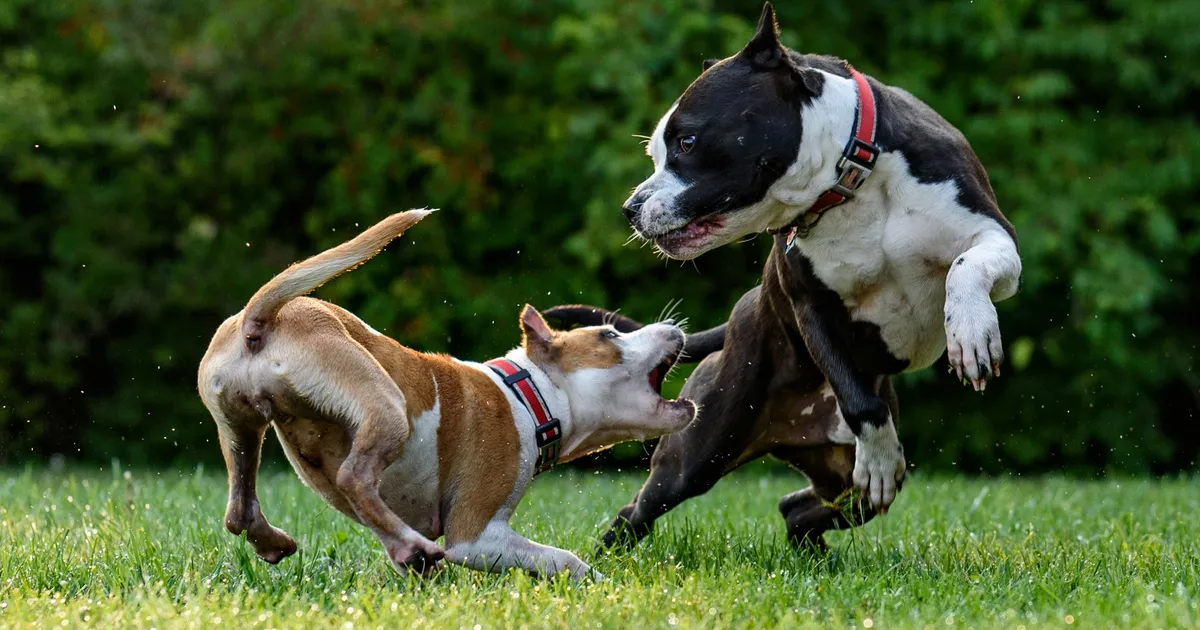
Understanding the difference between dog play fighting and actual warning aggression is a survival skill that every modern pet parent in 2026 must master unless they enjoy the adrenaline rush of a vet-induced bankruptcy. To the untrained eye, a group of dogs playing can look like a low-budget reenactment of a medieval battlefield, complete with gnashing teeth, guttural roars, and enough flying fur to knit a secondary, slightly smaller dog. However, beneath the chaotic surface of slobber and paws lies a sophisticated language of consent and social contract that would put most diplomatic summits to shame. Distinguishing between a friendly wrestling match and a genuine territorial dispute requires a keen eye for subtle physical cues and an understanding that “barking” is not a monolithic method of communication for our four-legged roommates.
The Universal Signal of the Play Bow
The most iconic indicator that things are strictly recreational is the play bow, a maneuver where a dog drops their front elbows to the ground while keeping their rear end hoisted high in the air like a furry flag of truce. This posture is the canine equivalent of saying, “Whatever I do next, including biting your neck or sitting on your face, is totally a joke, bro.” It is a vital meta-communication that frames the entire interaction as non-threatening. According to the American Kennel Club, this signal is used to initiate play or to restart a session that has become a bit too intense. You can find more about these behavioral cues at the AKC website, which remains the gold standard for breed-specific social expectations even as we navigate the evolving pet landscapes of 2026.
Beyond the bow, keep an eye out for the “play face,” which is characterized by a relaxed, slightly open mouth and a soft, squinty expression that suggests the dog has recently discovered a very mild sedative. If the mouth is open but the lips are not curled back to reveal the full dental record of the animal, you are likely in the clear. Playful dogs will often exaggerate their movements, bouncing around with a bouncy, inefficient gait that would be useless in a real hunt but is perfect for showing off how harmless they are. This “bouncy” movement is a key indicator that the dog is intentionally handicapping themselves to keep the game going, rather than trying to gain a tactical advantage over an adversary.
Vocalizations That Sound Like Exorcisms
One of the most confusing aspects of canine social life in 2026 is the sheer volume of noise some breeds make during a romp. You might hear a sound that resembles a chainsaw being fed into a woodchipper, only to realize it is just a French Bulldog expressing mild enthusiasm for a tennis ball. Playful growling is typically higher-pitched and more “breathy” than the low, rumbling, chest-vibrating growl of a dog that is genuinely considering a career in professional security. The key is to listen for the rhythm; play noises are often sporadic and accompanied by the aforementioned bouncy movements, whereas aggressive vocalizations are sustained, focused, and usually paired with a body that has become as rigid as a piece of frozen mahogany.
Sneezing is another hilarious and often overlooked vocalization in the world of dog play fighting. If your dog is huffing and sneezing while wrestling, they are not suffering from a sudden bout of hay fever; they are actually signaling to their partner that the roughhousing is still just for fun. It is a calming signal designed to de-escalate tension. In the high-tech pet culture of 2026, we have identified these “play sneezes” as critical components of the social feedback loop. When a dog sneezes mid-tussle, they are essentially hitting the “refresh” button on the game’s friendly status, ensuring that no one takes a stray tooth to the ear too personally or forgets the original intent of the exercise.
The Jelly-Like Movement of a Happy Dog
If you want to know if a dog is playing, look at their spine. A playing dog is a “noodle dog.” Their entire body should look loose, curvy, and generally disorganized, as if their skeleton has been replaced by several lengths of wet garden hose. They will twist, turn, and expose their bellies or necks—vulnerable areas that a dog in a real fight would guard with their life. This vulnerability is the ultimate sign of trust and playfulness. The ASPCA notes that a relaxed body posture is the most reliable indicator of a safe interaction. When dogs are having fun, they tend to move in circles or arcs rather than charging in straight, stiff lines that suggest an impending tactical strike.
Contrast this with the “statue” phase of warning aggression. When a dog goes stiff, their tail might stop wagging or, more confusingly, wag in a very fast, tight, vibrating motion that looks like a rattlesnake’s warning. Their weight will shift forward, and their ears will likely be pinned back or thrust forward with intense focus. This rigidity is a clear “stop” sign in the canine world. In 2026, pet owners are encouraged to watch for the “freeze”—that split second where the play stops and one dog becomes a motionless, staring gargoyle. That moment of stillness is often the final warning before a snap, and it is the point where human intervention becomes a necessity rather than a suggestion.
Reciprocity and the Table of Truth
Healthy play is built on the principle of “self-handicapping” and role reversal. In a balanced match, the bigger or stronger dog will often let the smaller dog “win” by lying on their back or allowing themselves to be chased. This reciprocity ensures that both parties are enjoying the experience. If one dog is doing all the pinning, all the chasing, and all the biting while the other is frantically trying to hide under a park bench, you are no longer witnessing play; you are witnessing a canine version of a high school movie where the bully steals everyone’s lunch money. True play is a back-and-forth dialogue, not a one-sided monologue of dominance.
| Feature | Play Fighting | Warning Aggression |
|---|---|---|
| Body Tension | Loose, wiggly, and exaggerated “noodle” movements. | Stiff, rigid, and frozen like a statue. |
| Mouth Position | Open “play face” with relaxed, floppy lips. | Tight, curled lips showing teeth and gums. |
| Role Reversal | Dogs take turns being the chaser and the chased. | One dog is constantly pursuing or pinning the other. |
| Vocalizations | High-pitched growls and frequent sneezing. | Low, sustained, vibrating chest growls. |
| The Eyes | Soft, squinty, and looking away occasionally. | Hard stare, “whale eye” showing whites of the eyes. |
As shown in the table above, the differences are often found in the quality of the movement rather than the action itself. Two dogs can be doing the exact same thing—wrestling on the grass—but the underlying energy will be completely different. A dog that is play fighting will often “self-interrupt” by taking a quick break to shake off, sniff the ground, or grab a drink of water. These “meta-pauses” are crucial because they allow the dogs’ arousal levels to drop back down to a manageable baseline. If these breaks are missing, the play can quickly spiral into over-arousal, which is the gateway drug to actual aggression.
When the Music Stops: Warning Signs
Sometimes, the transition from play to aggression is so fast it would make a Formula 1 driver dizzy. One of the most significant red flags is the “whale eye,” where a dog keeps their head still but follows a threat with their eyes, revealing the whites of the sclera. This is a sign of high stress and defensive posturing. If you see the whale eye, the party is over, and it is time to call your dog before someone loses an eyebrow. Additionally, watch the hackles—the hair along the spine. While “piloerection” (raised hackles) can sometimes happen during intense play due to pure excitement, it is frequently a sign that the dog is feeling overwhelmed or threatened.
The Danger of the “T-Position”
One specific postural warning is the “T-Position,” where one dog places their chin or paw over the shoulders of another dog, forming a “T” shape. This is a classic dominance move that is often a precursor to a fight if the other dog doesn’t immediately submit. While some dogs incorporate this into play, it is usually a sign that the social hierarchy is being tested. If you see this happen and the dog underneath goes stiff or growls, the interaction has shifted from “let’s have fun” to “let’s see who’s the boss of this specific patch of dirt.”
Another subtle sign is the “muzzle punch,” where a dog hits another dog with their nose without actually biting. It looks like a playful nudge, but it is often a very stern “back off” in dog language. If the recipient of the muzzle punch doesn’t take the hint and continues to pester the other dog, the situation can escalate into a full-blown scuffle. In the pet-centric world of 2026, recognizing these micro-aggressions is the hallmark of a responsible owner who values their dog’s mental health as much as their physical safety. Always look for the “consent check”—if you pull the “attacker” away, does the “victim” stay away, or do they run back for more? If they run back, it’s likely still play.
Tactical De-escalation for the Modern Human
When you realize that the vibe has shifted from “Whimsical Wrestling” to “Street Fight: Canine Edition,” your intervention strategy is paramount. Never, under any circumstances, reach your bare hands into the middle of a dog fight. This is the fastest way to earn a trip to the emergency room and a very stylish set of stitches. Instead, use a distraction. A loud noise, a splash of water, or placing a physical barrier like a chair or a piece of plywood between the dogs can break their focus long enough for you to grab a leash. In 2026, many dog parks are equipped with “break sticks” or air horns specifically for this purpose, but your best tool is always your voice and a sturdy leash.
The “wheelbarrow method” is often cited as a last resort, where you grab the aggressor’s back legs and pull them away in a backward arc. However, this requires confidence and timing. The goal is to separate the dogs and then immediately give them space to cool down. Do not force them to “apologize” or sniff each other immediately after a conflict; their cortisol levels will be through the roof, and they need time to decompress. A successful de-escalation ends with both dogs walking away in opposite directions, ideally toward a treat or a very long nap. Understanding these dynamics ensures that your dog remains a social butterfly rather than a social pariah.
Key Takeaways
- The play bow is the universal canine “just kidding” signal that frames all subsequent actions as non-threatening.
- Healthy play is “loose and noodle-like,” whereas aggression is “stiff and statue-like” with focused, rigid body language.
- Playful sneezing and high-pitched, breathy growls are normal social cues used to de-escalate tension during wrestling.
- Reciprocity is essential; dogs should take turns chasing, pinning, and being the “underdog” in a balanced match.
- The “whale eye” and the “T-Position” are serious red flags that indicate a shift from fun to potential conflict.
- Never use your hands to break up a fight; use barriers, loud noises, or the wheelbarrow method to ensure human safety.
Frequently Asked Questions
Is it normal for my dog to show teeth during play fighting?
Yes, many dogs display “vertical retraction” of the lips, often called a play grin, where they show their teeth while their muzzle remains relaxed. This is common in “mouthy” play but is distinct from the curled-lip snarl of an aggressive dog, which is accompanied by a wrinkled nose and a rigid facial structure.
Why does my dog growl so loudly when playing with their best friend?
Some dogs are “vocal players” who use growling as a way to express excitement. As long as the growl is varied in pitch, interrupted by sneezes or pauses, and the other dog isn’t showing signs of fear, it is simply their way of being an enthusiastic participant in the game.
What should I do if one dog refuses to stop when the other signals ‘enough’?
This is a sign of poor social skills or over-arousal. You should calmly intervene by stepping between the dogs or using a leash to give the pushy dog a “time out.” In the 2026 pet training landscape, we emphasize teaching dogs a “settle” cue to help them regulate their own energy levels during play.
How can I tell if a wagging tail is a good sign or a bad sign?
A wagging tail is not always a happy tail. A playful wag is usually wide, sweeping, and involves the whole hindquarters (the “butt wag”). A warning wag is often high, stiff, and fast-vibrating, indicating high arousal or agitation rather than friendly intent.
Can a play session suddenly turn into a real fight?
Absolutely. Over-arousal is a common cause, where the adrenaline of play pushes a dog over their emotional threshold. This is why “consent checks” and frequent breaks are vital to keep the energy levels from peaking into a territorial or defensive reaction.
Conclusion
Navigating the complex social world of canine interactions doesn’t have to be a source of constant anxiety. By mastering the nuances of the play bow, recognizing the importance of the “noodle body,” and keeping a watchful eye for the dreaded whale eye, you can ensure your pup’s social life is more “rom-com” and less “action-thriller.” In 2026, being a responsible dog owner means being an expert in body language, allowing our furry friends to enjoy the thrill of dog play fighting while keeping the peace. Stay observant, stay calm, and always carry a spare leash—just in case.