

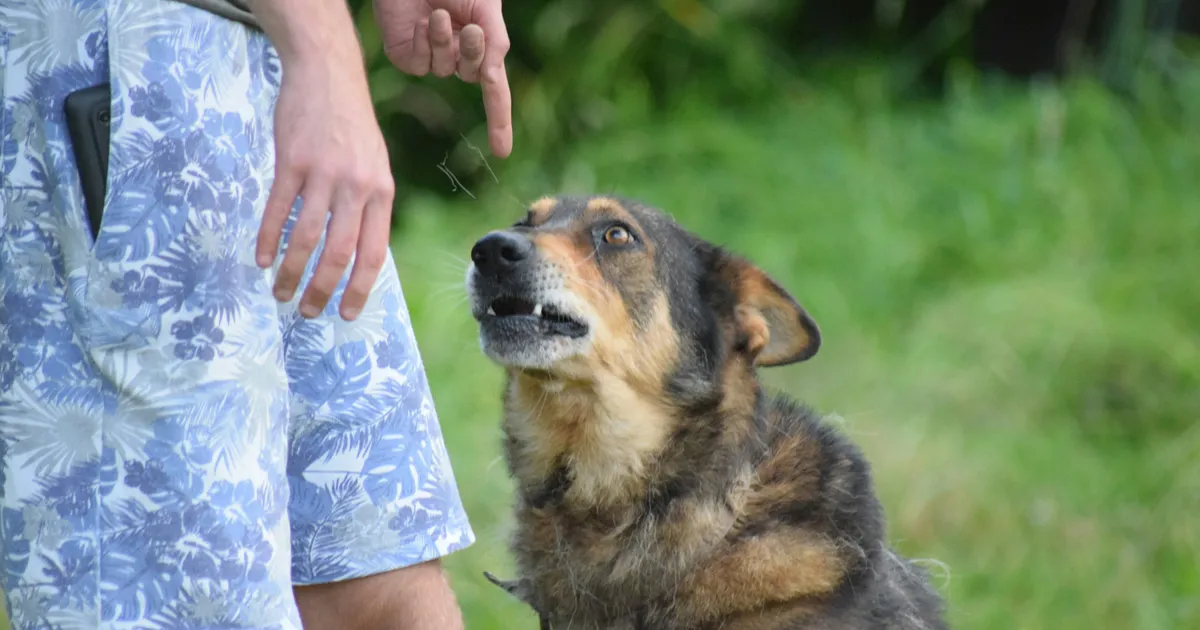
Many dog owners feel isolated and frustrated by their beloved pet’s fear of strangers, a common challenge that often leads to difficult situations during walks or social gatherings. Here’s a reassuring truth: this widespread issue is highly treatable, and with the right dog fear of strangers training tips step by step, you can significantly improve your dog’s comfort and confidence. This guide will equip you with expert strategies, designed to help your canine companion navigate the world with less anxiety and more joy, ultimately transforming stressful encounters into manageable, even positive, experiences. By understanding the root causes and implementing consistent, positive reinforcement methods, you’ll be well on your way to building a happier, more secure relationship with your dog.
Quick Answer: Training a dog with fear of strangers involves a multi-step approach focusing on safety, understanding triggers, gradual desensitization, and positive counter-conditioning. Prioritize creating a secure environment, interpreting your dog’s body language, and using high-value rewards to build positive associations with new people, ultimately fostering confidence and reducing anxiety.
Understanding Your Dog’s Fear
Before embarking on any training, it’s crucial to understand why your dog might be fearful of strangers. This fear isn’t simply “being shy”; it’s a deep-seated emotional response that can stem from various factors including genetics, lack of early socialization, negative past experiences, or even underlying medical conditions. Observing your dog’s behavior closely when strangers are present can provide invaluable clues. Are they barking, lunging, hiding, trembling, or trying to escape? Each of these reactions communicates a different level and type of anxiety, requiring a tailored approach to intervention.
Recognizing the specific triggers for your dog’s fear is the first critical step toward effective training. Does the fear manifest with all strangers, or only specific types (men, children, people with hats)? Does it only happen in certain environments, like busy parks versus quiet streets? Pinpointing these details helps you control the environment and set up successful training scenarios. Remember, your dog isn’t being “naughty”; they are genuinely experiencing distress, and your role is to be their advocate and guide them through their anxieties with patience and empathy.
Recognizing Subtle Fear Signals
Often, dogs display subtle signs of discomfort long before they resort to overt aggression or panic. Learning to read these early warning signals is paramount for preventing escalation and intervening proactively. Look for lip licking, yawning (when not tired), averted gaze, a tucked tail, whale eye (showing the whites of their eyes), tense body posture, flattened ears, or even a sudden halt in movement. These are all indicators that your dog is feeling uneasy and needs space or assistance. Ignoring these signals can lead to increased stress and a stronger, more reactive response in the future. By becoming fluent in your dog’s non-verbal communication, you can adjust the situation before they become overwhelmed, reinforcing their trust in you as their protector.
Creating a Safe & Predictable Environment
The foundation of any successful training program for a fearful dog is creating a secure and predictable environment where they feel safe. This means managing their exposure to triggers and ensuring they have a designated “safe space” within your home, such as a crate or a specific room, where they can retreat without being disturbed. During walks, avoid crowded areas initially and consider using a harness that gives you better control without causing discomfort, perhaps even a “do not pet” vest to signal to others that your dog needs space. Consistency in routine also contributes significantly to a dog’s sense of security, reducing overall anxiety.
Managing interactions with strangers is paramount. Politely inform friends, family, and passersby that your dog needs space and should not be approached or petted without your explicit instruction. In many cases, it’s best to avoid direct interaction altogether during the initial stages of training. Instead, focus on creating positive associations from a distance. This proactive management prevents setbacks, reduces the likelihood of traumatic encounters, and builds a foundation of trust between you and your dog. Remember, your dog relies on you to protect them from situations they perceive as threatening, and effective management is a crucial part of that protection.
Gradual Desensitization Techniques
Desensitization is the process of gradually exposing your dog to the feared stimulus (strangers) at a level so low that it doesn’t trigger a fearful reaction. The goal is to slowly increase the intensity or proximity of the stranger over time, always staying below your dog’s “threshold” of fear. Start by simply having a stranger appear at a great distance – so far away that your dog barely notices them or shows no signs of anxiety. This might mean watching people from inside your car, a window, or across a very large park. The key is to keep the exposure brief and entirely non-threatening, ensuring your dog remains relaxed throughout the exercise.
As your dog consistently remains calm at a certain distance, you can very slowly decrease the distance or increase the duration of the stranger’s presence. This process requires immense patience and keen observation of your dog’s body language. If you notice any signs of fear or stress, you’ve gone too far, too fast, and need to increase the distance again. Think of it like a dimmer switch, not an on/off button; you’re looking for subtle adjustments. For more detailed guidance, resources from organizations like the ASPCA provide excellent articles on canine fear and anxiety management, which can complement this step-by-step approach for 2026 and beyond.
Positive Counter-Conditioning Strategies
Counter-conditioning goes hand-in-hand with desensitization, aiming to change your dog’s emotional response from fear to a positive one. While desensitization reduces the fear, counter-conditioning actively builds positive associations. The technique involves pairing the presence of a stranger with something your dog absolutely loves, such as high-value treats, their favorite toy, or praise. For example, every time a stranger appears at a safe distance, immediately give your dog a delicious treat. The moment the stranger disappears, the treats stop. This teaches your dog that “stranger equals good things happen.”
The timing of your rewards is absolutely critical for effective counter-conditioning. The treat or reward must be given during or immediately after the stranger appears, and ideally, before your dog registers any fear. You want to create a Pavlovian response where the stranger’s presence predicts something wonderful. Over time, as you gradually decrease the distance in your desensitization exercises, continue to pair the stranger’s presence with these positive rewards. This powerful combination of desensitization and counter-conditioning is the cornerstone of helping your dog develop a more positive outlook towards people they don’t know.
Advanced Training & Long-Term Success
Once your dog shows significant improvement with controlled, distant encounters, you can begin to introduce more dynamic situations. This might involve having a trusted, calm friend act as a “stranger” who walks by at a slightly closer distance, perhaps tossing a treat on the ground without making eye contact. Gradually, this “stranger” can progress to briefly stopping, turning sideways (less confrontational than head-on), and eventually, offering a treat gently. Always empower your dog to approach on their terms, never forcing interaction. Remember, the goal isn’t necessarily for your dog to become best friends with every stranger, but to tolerate their presence calmly.
Long-term success hinges on consistency, patience, and continued management. Even after significant progress, occasional setbacks can occur, especially in new or overwhelming environments. Continue to advocate for your dog, manage their exposure, and reinforce positive associations. Consider enrolling in a positive reinforcement training class or consulting with a certified professional dog trainer or veterinary behaviorist for personalized guidance. They can provide tailored advice and help you navigate unique challenges, ensuring your dog continues to thrive and gain confidence well into 2026 and beyond. For finding qualified help, the AKC offers tips on how to choose a trainer.
Key Takeaways
- Understand your dog’s specific fear triggers and subtle body language signals.
- Create a safe, predictable environment and manage all stranger interactions to prevent setbacks.
- Implement gradual desensitization by exposing your dog to strangers at a sub-threshold distance.
- Pair stranger presence with high-value rewards through positive counter-conditioning to build positive associations.
Frequently Asked Questions
How long does it take to train a dog with fear of strangers?
The timeline for training a fearful dog varies greatly depending on the dog’s individual temperament, the severity of their fear, past experiences, and the consistency of the training. Some dogs show improvement in weeks, while others may require months or even a year of dedicated effort. Patience is paramount, and celebrating small victories along the way is key.
Can a fearful dog ever be completely cured?
While some dogs can overcome their fear to a remarkable degree and live happy, well-adjusted lives, it’s often more realistic to aim for management and a significant reduction in fear rather than a complete “cure.” The goal is to teach your dog coping mechanisms and change their emotional response so they can tolerate strangers calmly, even if they never become overly social.
Should I punish my dog for barking or lunging at strangers?
Absolutely not. Punishing a fearful dog for reactive behaviors like barking or lunging will only intensify their fear and damage your bond. These behaviors are often fear-driven attempts to create distance. Punishment teaches them to suppress their warnings, potentially leading to a bite without prior signals, and doesn’t address the underlying anxiety.
What if my dog’s fear is getting worse despite training?
If your dog’s fear is escalating or you’re not seeing progress, it’s crucial to seek professional help. Consult with a certified professional dog trainer specializing in fear and aggression, or a veterinary behaviorist. They can assess your dog’s specific situation, rule out medical issues, and develop a tailored behavior modification plan, potentially including medication in severe cases.
Conclusion
Helping a dog overcome their fear of strangers is a journey that requires commitment, empathy, and consistent effort. By meticulously following these dog fear of strangers training tips step by step, you’re not just training a behavior; you’re building confidence, reducing stress, and strengthening the incredible bond you share. Remember, every small step forward is a victory for your dog. With patience and positive reinforcement, you can guide your cherished companion towards a more peaceful and confident existence, making walks and social interactions a joy for both of you. Keep celebrating their progress!