

I once met a couple who, captivated by the majestic beauty of a Siberian Husky, enthusiastically brought one home, only to discover its boundless energy and independent nature were a complete mismatch for their quiet, apartment-bound lifestyle. Their heartfelt struggle perfectly illustrates why a thorough popular dog breeds comparison, delving beyond mere aesthetics, is absolutely crucial before welcoming a new canine companion into your life. Understanding a breed’s inherent behavioral traits and specific care needs isn’t just about avoiding frustration; it’s about fostering a harmonious relationship and ensuring a happy, healthy life for your future furry family member. Let’s explore some beloved breeds to help you make an informed decision by 2026.
Golden Retriever: The Affectionate Family Dog
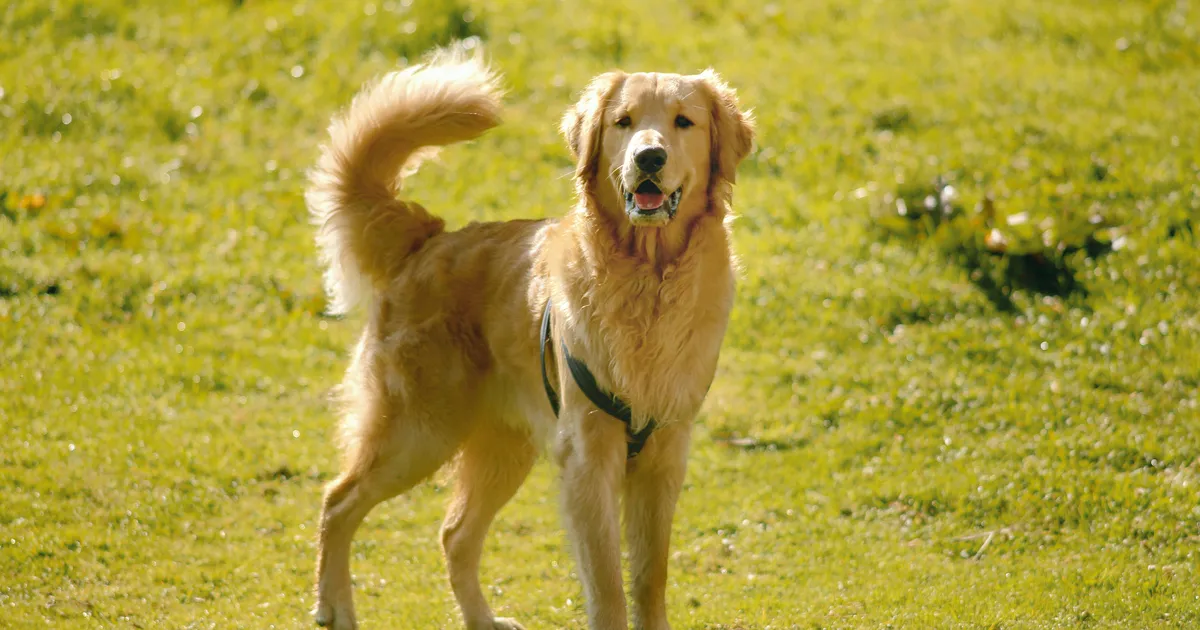
The Golden Retriever consistently ranks among the most popular dog breeds globally, and for good reason. Known for their gentle disposition, unwavering loyalty, and boundless enthusiasm, Goldens are truly wonderful family pets. They thrive on human companionship and are incredibly patient with children, often forming deep bonds with every member of the household. Their eager-to-please attitude makes them highly trainable, excelling in obedience, agility, and even therapy work. However, their sunny demeanor belies a significant need for physical activity and mental stimulation; a bored Golden can become a mischievous one.
While their friendly nature is a huge draw, prospective owners must be prepared for their care requirements. Golden Retrievers possess a beautiful, dense double coat that sheds considerably, especially seasonally. Regular brushing, ideally several times a week, is essential to manage shedding and prevent mats. They also require at least an hour of vigorous exercise daily, whether it’s a long walk, a game of fetch, or a swim – which they absolutely adore. Without adequate exercise, these intelligent dogs can develop destructive behaviors or excessive barking. Furthermore, Goldens are prone to certain health issues like hip and elbow dysplasia and some cancers, making responsible breeding and regular vet check-ups paramount.
French Bulldog: The Charming Urban Companion
The French Bulldog has surged in popularity, becoming a staple in urban environments thanks to their compact size, relatively low exercise needs, and utterly charming personalities. These adorable dogs are affectionate, comical, and make excellent companions for individuals or families seeking a less demanding canine friend. Frenchies are known for their bat-like ears, expressive faces, and a tendency to snore, snort, and grunt, which many owners find endearing. They are generally good with children and other pets, provided they are properly socialized from a young age.
However, owning a French Bulldog comes with specific care considerations, largely due to their brachycephalic (flat-faced) structure. This anatomical trait makes them highly susceptible to respiratory issues and overheating, especially in warm weather or during strenuous exercise. Owners must be vigilant about temperature control and limit activity during peak heat. Their skin folds require regular cleaning to prevent infections, and dental care is crucial. While they don’t need extensive walks, daily moderate exercise is still important to maintain a healthy weight. Prospective owners should budget for potential veterinary expenses related to their breed-specific health challenges, as detailed by the American Kennel Club.
Addressing French Bulldog Health
When considering a French Bulldog, understanding their unique health predispositions is non-negotiable. Beyond respiratory issues, they can be prone to spinal problems like intervertebral disc disease (IVDD), patellar luxation, and certain eye conditions. Regular veterinary check-ups are vital for early detection and management of these concerns. Choosing a reputable breeder who conducts health screenings on parent dogs is the single most impactful step you can take to mitigate future health risks. Always ask for health clearances and be prepared for potential lifelong care requirements.
German Shepherd: The Loyal and Protective Guardian
German Shepherds are renowned for their intelligence, courage, and unwavering loyalty, making them exceptional working dogs and devoted family protectors. Their innate desire to please, combined with their sharp minds, means they excel in various roles, from police and military work to search and rescue, and even as service dogs. As family pets, they form incredibly strong bonds with their owners and are naturally protective, making them excellent guardians. However, this protective instinct requires consistent training and socialization from puppyhood to ensure they distinguish between genuine threats and everyday situations.
Caring for a German Shepherd demands a significant commitment. These highly energetic and intelligent dogs require extensive physical exercise and mental stimulation to prevent boredom and destructive behaviors. Daily vigorous walks, playtime, and structured training sessions are essential. Their thick double coat sheds considerably year-round, necessitating regular brushing to maintain coat health and minimize loose fur. Early and ongoing socialization is paramount to ensure they are well-adjusted and confident around strangers and other animals. Without proper guidance, their powerful guarding instincts can become problematic, highlighting why this popular dog breeds comparison emphasizes more than just their striking looks.
Labrador Retriever: The Energetic and Friendly Companion
The Labrador Retriever consistently holds a top spot among popular dog breeds, cherished for its outgoing personality, boundless energy, and remarkable versatility. Labs are famously friendly, eager to please, and generally good-natured, making them superb family dogs. They thrive on interaction with their human pack and possess an inherent joyful enthusiasm that is truly contagious. Their intelligence and willingness to learn make them highly trainable for various activities, including hunting, service work, and competitive dog sports. They are particularly known for their gentle mouths, perfect for retrieving, and their love for water.
While Labs are wonderful companions, their care needs are substantial. They are high-energy dogs that require significant daily exercise to stay happy and healthy. This includes long walks, runs, swimming, or vigorous games of fetch. A bored Lab can easily resort to chewing or other destructive behaviors. Their short, dense double coat is relatively easy to maintain with weekly brushing, but they do shed. Perhaps their most notable care consideration is their love for food, which can lead to obesity if their diet isn’t carefully managed and exercise is neglected. Prospective owners should also be aware of common health issues like hip and elbow dysplasia, making vet visits crucial for preventative care, as advised by veterinary professionals like those at the American Veterinary Medical Association.
Poodle: The Intelligent and Elegant Athlete
Poodles, in all their sizes (Standard, Miniature, Toy), often surprise those unfamiliar with the breed, as they are far more than just show dogs with elaborate haircuts. Beneath their elegant appearance lies an exceptionally intelligent and athletic dog with a playful spirit. Poodles are highly trainable, excelling in obedience, agility, and even hunting, showcasing their working dog heritage. They form strong bonds with their families and are known for their keen observation skills and ability to adapt to various living situations, provided their core needs are met. Many appreciate them for their generally calm demeanor indoors once adequately exercised.
The Poodle’s unique coat is a double-edged sword: while it is often touted as hypoallergenic because it sheds minimally, it requires significant professional grooming every 4-6 weeks to prevent matting. This can be a considerable ongoing expense. Furthermore, Poodles, especially Standards, are active dogs that require daily exercise and consistent mental stimulation to keep their sharp minds engaged. Without it, they can become bored and develop undesirable behaviors. They are also prone to certain genetic health conditions, including bloat, Addison’s disease, and hip dysplasia, underscoring the importance of choosing a responsible breeder and maintaining regular veterinary care into 2026.
Key Takeaways
- Research Beyond Looks: Always prioritize a breed’s temperament, exercise requirements, and potential health issues over their appearance. A popular dog breeds comparison should be a deep dive into compatibility, not just aesthetics.
- Commitment to Training & Socialization: Regardless of breed, consistent positive reinforcement training and early, ongoing socialization are vital for a well-adjusted dog. This is especially true for intelligent or protective breeds.
- Understand Breed-Specific Care: Each breed has unique grooming, exercise, and health needs. From a French Bulldog’s brachycephalic challenges to a Poodle’s grooming demands, be prepared for specific commitments.
- Budget for Lifelong Wellness: Dog ownership is a financial commitment. Factor in food, regular vet check-ups, potential breed-specific health treatments, and grooming costs when choosing a companion for the next decade.
Frequently Asked Questions
What is the most important factor when choosing a dog breed?
The most important factor is matching the dog’s energy level, temperament, and care needs with your lifestyle, living situation, and experience level. A busy, first-time owner in an apartment might struggle with a high-energy working breed.
Are “hypoallergenic” dog breeds truly allergen-free?
No, no dog breed is 100% hypoallergenic. They shed less dander (skin flakes) and hair, which are common allergens, making them a better choice for some allergy sufferers, but they still produce allergens.
How much exercise do popular dog breeds generally need?
This varies widely. Small companion breeds like French Bulldogs might need 30-45 minutes of daily activity, while high-energy breeds like Golden Retrievers or German Shepherds typically require 1-2 hours of vigorous exercise.
What are common mistakes first-time dog owners make?
First-time owners often underestimate the time and financial commitment, neglect early socialization and training, or choose a breed based solely on looks without considering its behavioral traits and care needs.
Conclusion
Choosing a dog is a journey that should be approached with careful consideration and genuine introspection. By engaging in a thorough popular dog breeds comparison, examining not just their adorable faces but their nuanced behavioral traits and specific care requirements, you pave the way for a truly fulfilling companionship. Remember, the perfect dog isn’t necessarily the most popular one, but the one whose needs and personality align seamlessly with your own life. Make an informed decision, and you’ll welcome a loyal friend who enriches your life for years to come, long past 2026.