

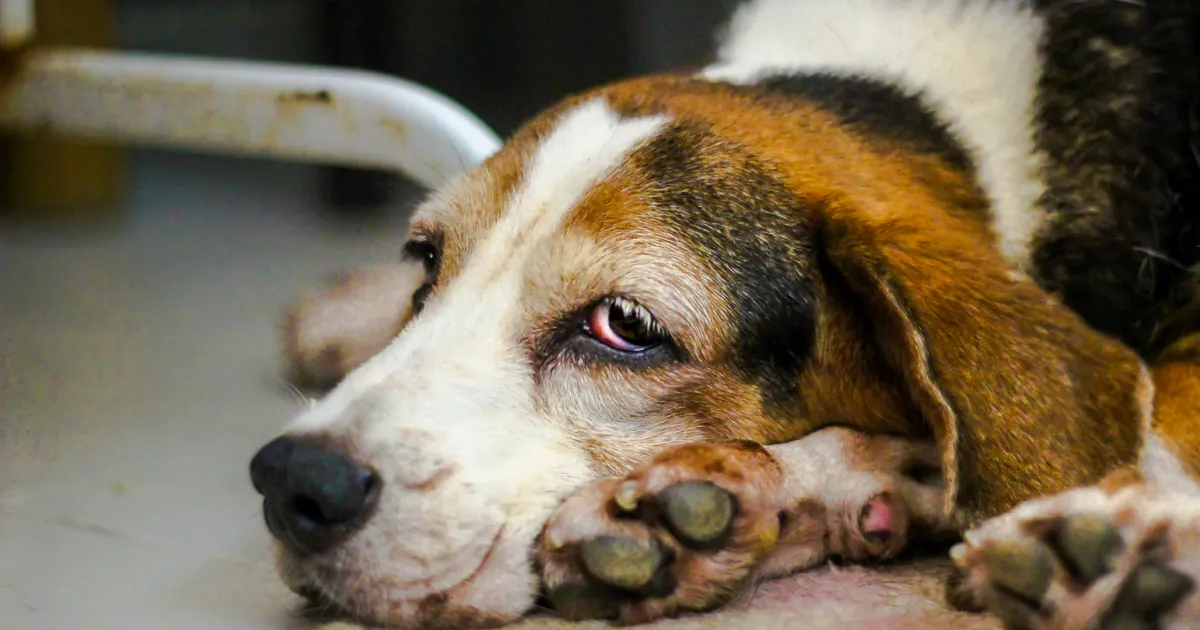
I remember a time when my own spirited Border Collie, Jasper, suddenly became uncharacteristically quiet, opting to lie alone in a corner rather than chase his beloved frisbee. It was a subtle shift, barely noticeable at first, but knowing his usual vivacious personality, I knew something was amiss. That quiet observation led to a veterinary visit, revealing a minor but treatable infection. This experience, shared by countless dog owners, underscores a crucial truth: recognizing the subtle signs of illness in dogs is paramount to their well-being. Our canine companions can’t verbalize their discomfort, making us their primary advocates. Understanding these indicators, from behavioral changes to physical symptoms, empowers us to make timely, informed decisions about when professional veterinary care is necessary, potentially preventing minor issues from escalating into serious health crises.
Subtle Behavioral Shifts
One of the most telling indicators that your dog might not be feeling well often manifests in changes to their usual demeanor. A once playful pup who now ignores their favorite toy, or a normally social dog who suddenly avoids interaction, can be signaling discomfort. Look for a decrease in energy levels, known as lethargy, which is more than just being tired; it’s a persistent lack of enthusiasm for activities they typically enjoy. They might become withdrawn, hide more often, or even show unusual aggression or fear if they’re in pain or feeling vulnerable. These deviations from their established personality are important clues that warrant closer attention and often, a discussion with your vet.
Understanding your dog’s baseline behavior is key to identifying these subtle shifts. Every dog is an individual, and what’s normal for one might be a red flag for another. Keep an eye on their sleeping patterns – are they sleeping significantly more or less? Are they restless at night? Observe how they react to touch; a dog in pain might flinch or snap if you inadvertently touch a sensitive area. While some behavioral changes can be temporary, like those caused by stress from a new environment, persistent or worsening alterations in their mood or activity levels are compelling reasons to seek professional advice, especially if these changes emerge suddenly in 2026.
Appetite and Thirst Alterations
Changes in how your dog eats and drinks are often among the first noticeable signs of an underlying health issue. A sudden refusal to eat, or even a noticeable decrease in appetite over a day or two, is a significant red flag. Conversely, an insatiable hunger coupled with weight loss can point to metabolic disorders like diabetes. Similarly, observe their water intake: excessive thirst (polydipsia) can indicate kidney disease, diabetes, or even certain hormonal imbalances. On the other hand, a complete lack of interest in drinking water can quickly lead to dehydration, which itself is a serious concern requiring immediate attention.
It’s important to differentiate between temporary pickiness and a genuine loss of appetite. If your dog turns their nose up at their regular kibble but happily devours a treat, it might just be a preference. However, if they refuse all food, including high-value treats, for more than 24 hours, it’s time to contact your veterinarian. Likewise, if you notice your dog emptying their water bowl far more frequently, or if they haven’t touched it all day, these are clear signals that something is amiss internally. Monitoring these daily habits is a simple yet effective way to catch potential health problems early on.
Gastrointestinal Distress
Gastrointestinal issues like vomiting and diarrhea are common in dogs, but knowing when they signify something serious is crucial. Occasional vomiting, especially if your dog seems otherwise fine afterward, might just be an upset stomach from eating something they shouldn’t have. However, persistent vomiting (multiple times in a few hours), projectile vomiting, or vomiting accompanied by lethargy, abdominal pain, or blood, warrants immediate veterinary attention. The same applies to diarrhea: mild, self-limiting loose stools might resolve on their own, but watery, bloody, black tarry stools, or diarrhea lasting more than 24 hours, especially with other symptoms, is a serious concern.
These symptoms can indicate a range of issues, from dietary indiscretion or parasites to more severe conditions like pancreatitis, parvovirus, or a foreign body obstruction. Always note the frequency, consistency, and any unusual color or contents in their vomit or stool. Dehydration is a major risk with ongoing vomiting and diarrhea, particularly in puppies and older dogs. Don’t hesitate to call your vet if you’re worried; early intervention can be life-saving. For more detailed information on specific symptoms, the American Veterinary Medical Association (AVMA) offers excellent resources.
Recognizing Dehydration
Dehydration is a critical concern, especially when your dog is experiencing vomiting or diarrhea. You can check for it by gently pulling up the skin on your dog’s back between their shoulder blades. In a well-hydrated dog, the skin will snap back quickly. If it takes a moment to return to normal, your dog is likely dehydrated. Another sign is sticky or dry gums; healthy gums should be moist and slick. Sunken eyes are also a late sign of significant dehydration. If you suspect dehydration, especially alongside other illness signs in dogs, contact your vet immediately.
Physical and Mobility Changes
Physical changes and difficulties with movement can indicate pain, injury, or degenerative conditions. Limping, favoring a limb, or a reluctance to put weight on a paw are clear signs of discomfort and should be investigated. It’s not always an obvious injury; sometimes, it’s joint pain from arthritis, a muscle strain, or even something as subtle as a thorn in their paw. Look for stiffness, difficulty rising after rest, struggling with stairs, or a general decrease in their ability to jump or run as they once did. These mobility issues can significantly impact their quality of life, and there are often treatments available to alleviate their pain.
Beyond mobility, pay attention to any new lumps, bumps, or swellings on their body. While many are benign fatty tumors, others can be more serious, including cancerous growths. Regular full-body checks during petting can help you detect these early. Changes in skin or coat condition, such as excessive scratching, redness, hair loss, or a dull, dry coat, can signal allergies, parasites, or internal health problems. Don’t overlook changes in their eyes or ears either; discharge, redness, cloudiness, or sensitivity to touch in these areas all warrant veterinary attention. Early detection, particularly in 2026, can significantly improve outcomes for many conditions.
Respiratory and Urinary Red Flags
Breathing difficulties or changes in urination are often clear indicators that something is seriously wrong and usually require immediate veterinary attention. Persistent coughing, sneezing, wheezing, or labored breathing are all concerning respiratory symptoms. A dog struggling to breathe might have an open-mouthed, extended neck posture, or their gums might appear bluish. Nasal discharge, especially if it’s thick, colored, or bloody, also suggests a respiratory infection or other issue. These symptoms can range from kennel cough to pneumonia, heart disease, or even foreign body obstructions.
Urinary issues are equally important to monitor. Straining to urinate, frequent small urinations, urinating in inappropriate places (especially if house-trained), or blood in the urine are all serious signs. These can indicate urinary tract infections, bladder stones, or kidney problems. A complete inability to urinate is a medical emergency, particularly in male dogs, as it can signal a life-threatening blockage. Always observe the color, volume, and frequency of your dog’s urination. If you notice any of these respiratory or urinary red flags, contact your veterinarian without delay. For further reading on emergency situations, the ASPCA provides valuable guidance.
Key Takeaways
- Know Your Dog’s Normal: Closely observe your dog’s daily habits, personality, and energy levels to establish a baseline. Even subtle deviations in behavior, appetite, or activity can be the first sign of illness, making your keen observation invaluable.
- Don’t Delay for Persistent Symptoms: While some minor issues might resolve on their own, persistent vomiting, diarrhea for more than 24 hours, lethargy, difficulty breathing, or inability to urinate are emergencies. Prompt veterinary attention can prevent conditions from worsening and improve recovery chances.
- Look for Clusters of Symptoms: A single sneeze might be nothing, but sneezing combined with nasal discharge, lethargy, and decreased appetite points more strongly to an illness. When several mild signs appear together, it often indicates a more significant underlying problem.
- Trust Your Gut Instinct: You know your dog best. If something just “feels off,” even if you can’t pinpoint a specific symptom, it’s always best to err on the side of caution and consult your veterinarian. They can help interpret your observations and recommend appropriate next steps.
Frequently Asked Questions
When is a vet visit an emergency versus a routine appointment?
An emergency vet visit is needed for acute, severe symptoms such as difficulty breathing, collapse, uncontrolled bleeding, severe pain, inability to urinate, repeated vomiting/diarrhea with lethargy, suspected poisoning, or significant trauma. A routine appointment is suitable for less urgent, persistent but mild symptoms, behavioral changes without acute distress, or for discussing ongoing concerns. When in doubt, always call your vet or an emergency clinic for guidance.
Can I wait a day or two to see if my dog gets better?
For very mild, isolated symptoms like a single cough or a slightly softer stool with an otherwise bright and energetic dog, observing for 12-24 hours might be acceptable. However, for any persistent, worsening, or severe symptoms (e.g., repeated vomiting, extreme lethargy, pain), waiting can be dangerous. It’s always safest to contact your vet immediately for advice, as many conditions benefit greatly from early intervention.
What should I tell the vet when I call about my dog’s illness?
When you call, be prepared to describe your dog’s symptoms in detail: when they started, their frequency, severity, and any changes you’ve observed. Mention any changes in appetite, thirst, urination, bowel movements, or behavior. Also, inform them about your dog’s vaccination status, recent diet changes, exposure to other animals, and any medications they are currently taking. This information helps your vet quickly assess the situation.
Are there any preventative measures I can take to reduce the risk of illness?
Absolutely! Regular veterinary check-ups, maintaining up-to-date vaccinations, consistent parasite prevention (fleas, ticks, heartworm), feeding a high-quality diet, ensuring adequate exercise, and managing stress are all crucial preventative measures. Additionally, avoid feeding human foods that are toxic to dogs, keep hazardous materials out of reach, and provide a safe, clean environment. Proactive care is the best defense against many common illnesses.
Conclusion
Our dogs bring immeasurable joy into our lives, and in return, they rely on us to be their vigilant guardians. By understanding the common signs of illness in dogs and knowing when to seek professional help, we fulfill our responsibility to these cherished family members. Remember, early detection is often the key to successful treatment and a quicker recovery. Don’t hesitate to consult your veterinarian if you notice anything unusual; your proactive approach can make all the difference in ensuring your beloved companion lives a long, healthy, and happy life, well into 2026 and beyond.