

It was a Saturday afternoon, years ago, when my beloved Labrador, Buster, managed to snatch a piece of dark chocolate right off the counter. The immediate panic that washed over me was visceral; I knew chocolate was bad, but how bad? That terrifying dash to the emergency vet cemented my commitment to understanding precisely what foods dogs can and cannot eat. It’s a question every responsible pet parent grapples with, and with so much conflicting information out there, it’s easy to feel overwhelmed. My goal here is to provide you with a comprehensive, easy-to-understand guide, drawing on years of research and personal experience, to ensure your canine companion stays happy and healthy.
The Good Stuff: Everyday Safe Foods
There’s a common misconception that dogs should only eat kibble. While commercial dog food provides balanced nutrition, many human foods, when prepared correctly and offered in moderation, can be excellent, healthy additions to your dog’s diet. Think plain, cooked meats like chicken, turkey, and lean beef – always boneless and unseasoned. These provide vital protein and can be a fantastic high-value treat for training or a tasty topper for their regular meals. Remember to remove any skin or excess fat, as these can upset a dog’s stomach.
Another fantastic option is plain, cooked grains such as rice or oatmeal. These are easily digestible and can be particularly soothing for a dog with an upset tummy. Small amounts of plain, unsweetened yogurt (especially Greek yogurt) can also be beneficial, offering probiotics that support gut health. Always check the ingredients to ensure no artificial sweeteners like xylitol are present, which are highly toxic to dogs. Offering variety within safe parameters keeps mealtime interesting and can provide a broader spectrum of nutrients.
Fruits and Veggies: A Colorful Addition
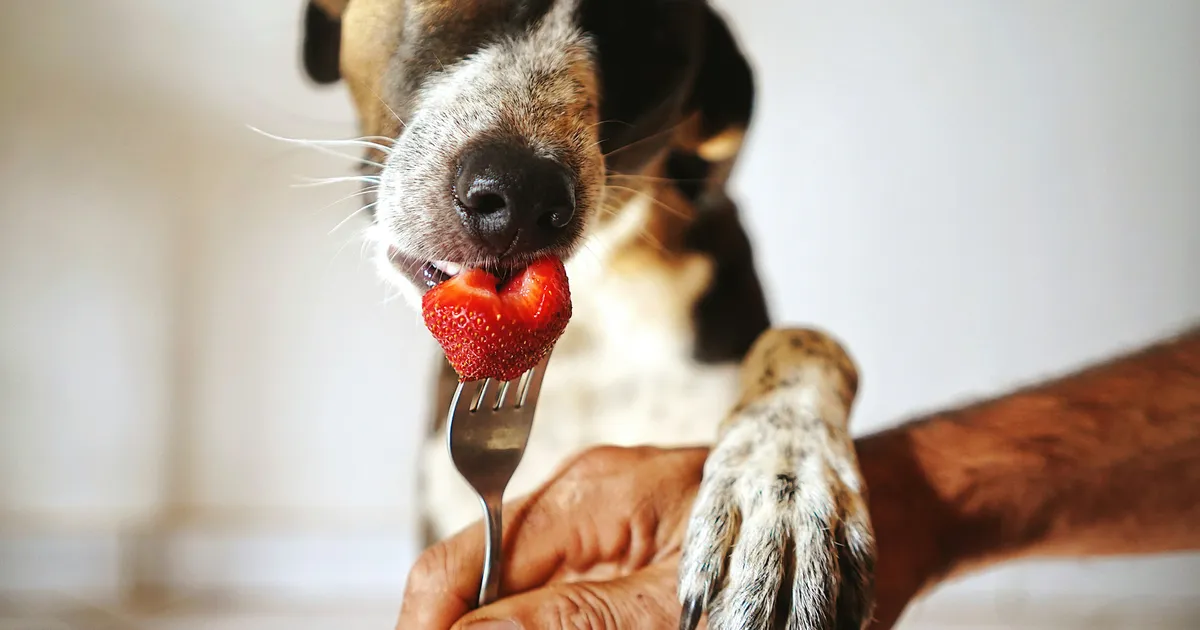
Many fruits and vegetables are not only safe for dogs but can also provide essential vitamins, minerals, and fiber. Think crunchy carrots, which are great for dental health, or crisp apple slices (without seeds or core). Blueberries are tiny powerhouses of antioxidants, while green beans and peas are low-calorie, nutrient-rich snacks. Always introduce new fruits and vegetables slowly and in small quantities to monitor for any digestive upset, and ensure they are washed and cut into appropriate, choke-proof sizes.
However, it’s crucial to be aware of the preparation. While a raw carrot is fine, an onion-laden stir-fry is definitely not. For example, pumpkin (plain, canned, unsweetened puree) is fantastic for digestive health, often recommended for both diarrhea and constipation, but pumpkin pie mix is full of sugar and spices harmful to dogs. Always serve fruits and vegetables plain, without any added seasonings, butter, or sauces. Moderation is key, as even healthy items can cause digestive issues if overfed.
The Absolute No-Gos: Toxic Foods
This is where vigilance is paramount. Some human foods are downright dangerous and even deadly for dogs. Chocolate, especially dark chocolate and baking chocolate, contains theobromine, which dogs metabolize very slowly, leading to toxic levels that can cause vomiting, diarrhea, tremors, seizures, and even death. Grapes and raisins, while seemingly innocuous, are another major concern, known to cause acute kidney failure in some dogs, though the exact toxic compound remains a mystery to researchers even in 2026. If your dog ingests these, contact your vet immediately.
Alcohol in any form, even in small amounts, can cause serious intoxication, respiratory depression, and even death. Coffee, tea, and other caffeinated products contain methylxanthines, similar to chocolate, which are highly toxic. Avocados contain persin, which can cause vomiting and diarrhea in some dogs, though the toxicity varies by breed and amount ingested. It’s always better to err on the side of caution and keep these items completely out of reach. For a comprehensive list, resources like the Pet Poison Helpline website are invaluable.
Hidden Dangers in Your Pantry
Beyond the obvious culprits, several less-talked-about pantry staples pose significant threats. Xylitol, a sugar substitute found in many sugar-free gums, candies, certain peanut butters, and even some medications, causes a rapid release of insulin in dogs, leading to a sudden and severe drop in blood sugar (hypoglycemia), liver failure, and death. Onions, garlic, leeks, and chives, all members of the Allium family, can damage a dog’s red blood cells, leading to anemia. This effect can be cumulative, so even small, regular exposures can be harmful.
Macadamia nuts are another insidious threat, causing weakness, vomiting, tremors, and hyperthermia in dogs. While rarely fatal, the symptoms are distressing and require veterinary attention. Yeast dough, if ingested raw, can rise in a dog’s stomach, causing painful bloating and potentially twisting their stomach (bloat), a life-threatening condition. The yeast also produces alcohol as it ferments, leading to alcohol poisoning. Always be diligent about reading labels and securing your food items, especially if you have a curious canine companion.
Navigating Treats & Table Scraps
The temptation to share your meal with your dog is strong, but table scraps are a minefield. Many human dishes are prepared with ingredients like salt, butter, oils, and spices that are not suitable for dogs and can lead to digestive upset, pancreatitis, or long-term health issues. Bones, especially cooked ones, can splinter and cause choking, or internal perforations, which are incredibly dangerous. Raw bones carry risks of bacterial contamination and tooth fractures.
When it comes to treats, commercial options are often formulated to be safe and nutritionally appropriate. However, if you choose to offer human foods, always ensure they are plain, unseasoned, and in small, manageable portions. Think of them as occasional supplements, not meal replacements. A good rule of thumb for 2026 is that treats, including human foods, should constitute no more than 10% of your dog’s daily caloric intake. This helps prevent obesity and ensures they are still getting balanced nutrition from their primary dog food.
Understanding Your Dog’s Unique Needs
Every dog is an individual, and what one can tolerate, another might not. Breeds can have specific sensitivities; for example, some smaller breeds are more prone to pancreatitis from fatty foods. Age also plays a role; puppies have more sensitive digestive systems, and senior dogs might have underlying health conditions that dictate dietary restrictions. Always consider your dog’s size, activity level, and any known allergies or health issues when introducing new foods.
The most crucial piece of advice I can offer is to consult your veterinarian. Before making any significant changes to your dog’s diet or if you have concerns about specific foods, a quick chat with your vet can save you a lot of worry and potentially prevent serious health problems. They can provide tailored advice based on your dog’s complete health profile and ensure you’re making the best choices for their long-term well-being. Being proactive and informed is the best gift you can give your furry friend.
Key Takeaways
- Always research foods before offering them; what’s safe for humans isn’t always safe for dogs.
- Keep toxic foods like chocolate, grapes, xylitol, onions, and garlic completely out of your dog’s reach and be aware of less obvious dangers like macadamia nuts and yeast dough.
- Introduce new safe human foods slowly and in small, plain portions, monitoring for any adverse reactions, and ensure they are prepared appropriately (cooked, unseasoned, boneless, seedless).
- Consult your veterinarian for personalized dietary advice, especially if your dog has existing health conditions or if you suspect they’ve eaten something harmful.
Frequently Asked Questions
Can dogs eat peanut butter?
Yes, dogs can eat peanut butter, but it’s crucial to check the label for xylitol, a sugar substitute that is highly toxic to dogs. Choose plain, unsalted, unsweetened peanut butter as an occasional treat in moderation.
Is cheese safe for dogs?
Small amounts of plain, low-fat cheese can be given as a treat. However, some dogs are lactose intolerant and may experience digestive upset. Monitor your dog for any adverse reactions and avoid cheeses with added herbs or spices.
What should I do if my dog eats something toxic?
Immediately contact your veterinarian or the Pet Poison Helpline. Do not wait for symptoms to appear, as early intervention can be critical. Be prepared to provide information about what your dog ate, how much, and when.
Are bones safe for dogs to chew on?
Cooked bones are highly dangerous as they can splinter and cause choking or internal injuries. Raw bones carry risks of bacterial contamination and tooth fractures. It’s generally safer to opt for veterinarian-approved chew toys or dental chews instead.
Conclusion
Navigating the world of canine nutrition and understanding what foods dogs can and cannot eat doesn’t have to be a source of constant anxiety. With a little knowledge and mindful preparation, you can safely enhance your dog’s diet while protecting them from harm. My hope is that this guide empowers you to make informed decisions, fostering a healthier, happier life for your beloved companion. Always remember, when in doubt, a quick call to your vet is the best course of action for peace of mind in 2026 and beyond.